
Rishikesh-Karnaprayag rail project set for December 2029 completion: RVNL CMD
The Rishikesh-Karnaprayag railway line, developed by RVNL, aims for completion by December 2029 with 78% overall progress and 97% tunnel excavation completed. The 125-km route passes through multiple Uttarakhand districts, featuring 16 main tunnels and 12 escape tunnels, and includes 11 of 19 major
Key takeaways
- The 125-km Rishikesh-Karnaprayag railway line is targeted for completion in December 2029.
- Overall progress stands at 78%, with 97% of tunnel excavation completed.
- The project includes 16 main tunnels (104 km) and 12 escape tunnels (98 km), with 11 of 19 major bridges finished.
What Happened
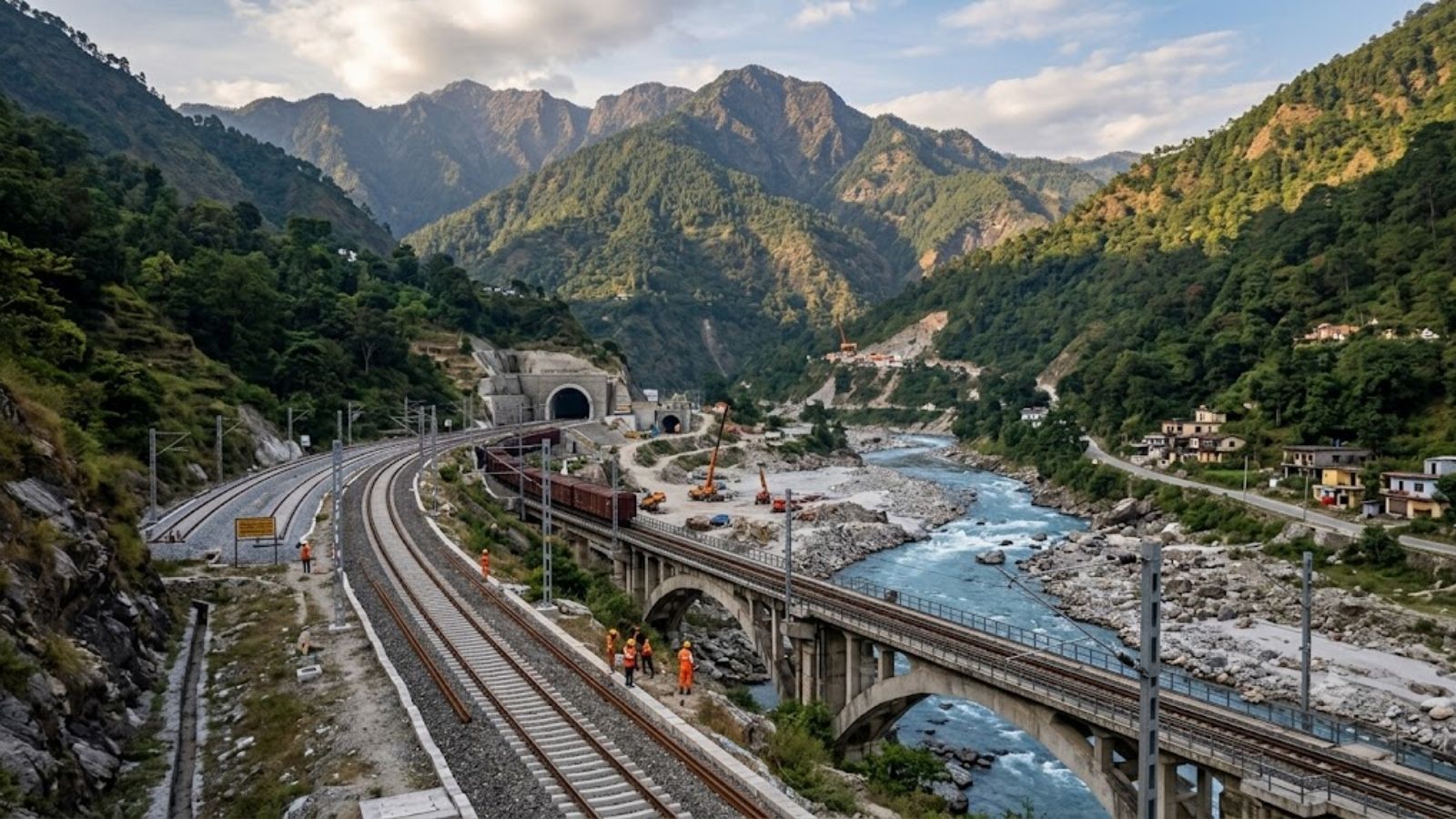
The Rishikesh-Karnaprayag railway project, undertaken by Rail Vikas Nigam Limited (RVNL) under the Ministry of Railways, is targeting a completion date of December 2029. The 125-kilometre line has reached 78% overall progress, with around 97% of the tunnel excavation finished. The project involves substantial tunnel work, including 16 main tunnels spanning 104 kilometres and 12 escape tunnels covering about 98 kilometres. To date, 101 kilometres of the main tunnels and 95 kilometres of the escape tunnels have been completed. Eight access roads totaling 5 kilometres have been built to accelerate construction. In addition, 11 of the 19 major bridges planned for the route have been completed, while work continues on the remaining bridges.
The project is designed to improve rail connectivity in Uttarakhand, facilitating travel to the Himalayan region and supporting religious and tourism circuits. It will connect Devprayag and Karnaprayag with Rishikesh and the national capital, passing through Dehradun, Tehri Garhwal, Pauri Garhwal, Rudraprayag and Chamoli districts.
RVNL Chairman and Managing Director Saleem Ahmad announced the timeline and progress in a recent statement, emphasising the anticipated benefits of the line for pilgrimage corridors, border connectivity, tourism, and local economies, along with a significant reduction in travel time once completed.
Why It Matters
The rail link is positioned as a catalyst for regional accessibility, potentially reshaping transport dynamics in Uttarakhand. Officials suggest the line will bolster pilgrimage routes (notably Char Dham), enhance regional tourism, and improve economic activity by shortening travel times. The project’s completion could also influence broader connectivity in the Himalayan belt by linking major towns and religious sites with the national rail network.
Background
The Rishikesh-Karnaprayag project was sanctioned in the Union Budget for 2010-11. The route traverses multiple districts and prioritizes tunnel construction as the core of its engineering approach. The current status indicates substantial progress in tunnel and bridge components, with ongoing work on several bridges and associated structures.
Key Facts
- Project length: 125 kilometres
- Cost: Rs 37,000 crore
- Overall progress: 78%
- Tunnel excavation completed: 97% (main tunnels 101 km of 104 km; escape tunnels 95 km of 98 km)
- Access roads completed: 8 roads totaling 5 km
- Bridges completed: 11 of 19
- Proximity districts: Dehradun, Tehri Garhwal, Pauri Garhwal, Rudraprayag, Chamoli
- Connecting points: Rishikesh, Devprayag, Karnaprayag, with link to national capital
- Target completion: December 2029
What Happens Next
Construction will continue with bridge work on remaining spans and completion of the remaining tunnels and escape routes. Officials' timelines indicate ongoing efforts to accelerate progress and meet the December 2029 target, subject to project logistics and engineering challenges typical of high-altitude railway construction.
Sources reviewed
Project Chintan independently synthesized and analyzed information cross-checked across the sources listed above.