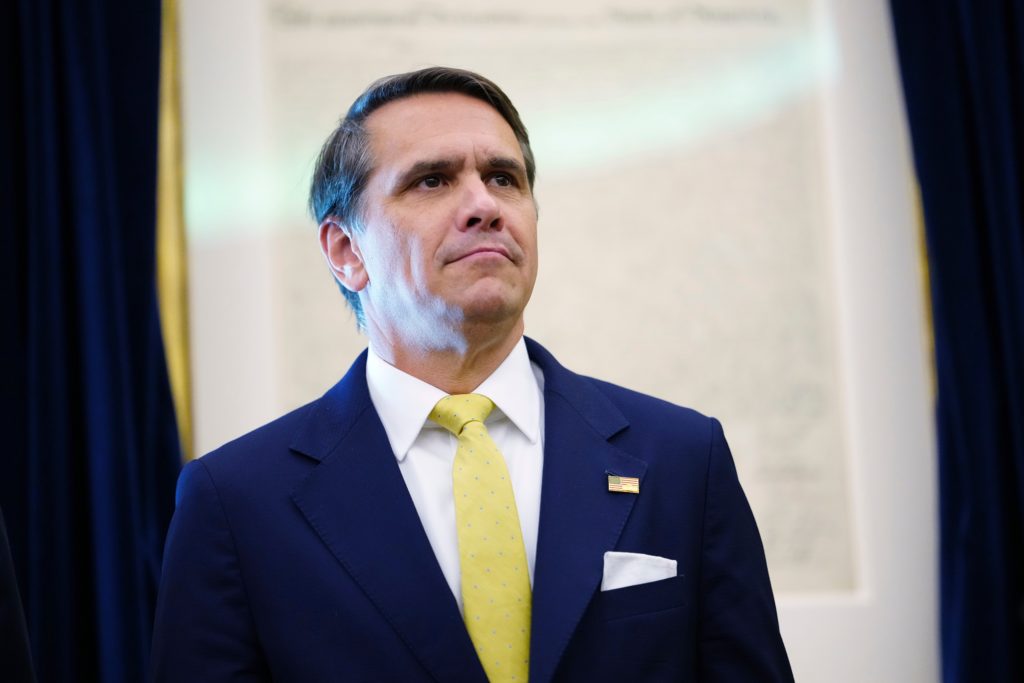
Progressive Primary Victories in Michigan Spark Strategic Shift for Democrats
Recent Democratic primary results in Michigan and Missouri highlight a growing tension between progressive and moderate wings of the party. While progressives secured a key Senate nomination in Michigan, internal divisions are prompting Republican efforts to court centrist voters.
Key takeaways
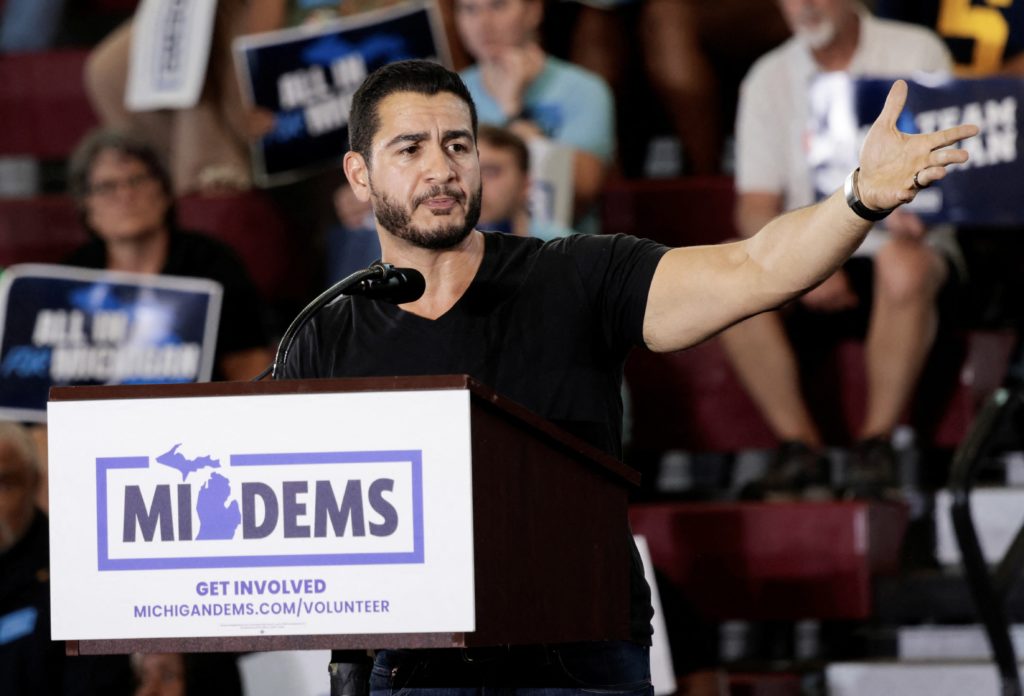
- Abdul El-Sayed's narrow victory in Michigan signals a leftward shift that requires him to consolidate support from moderate Haley Stevens voters.
- Republicans are actively campaigning to attract moderate Democrats who feel alienated by the progressive wing's primary successes.
- Missouri's primary result, where Wesley Bell defeated Cori Bush, demonstrates that moderate candidates still maintain strength in certain congressional races.
What Happened
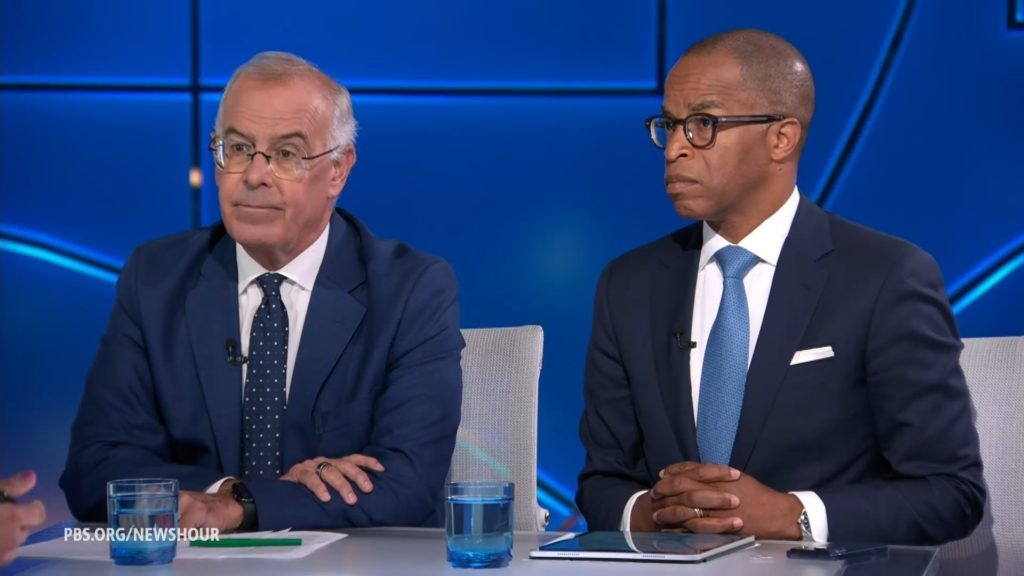
In a shift within the Democratic primary landscape, progressive Abdul El-Sayed secured the Senate nomination in Michigan, defeating moderate opponent Haley Stevens in a narrow contest. This victory coincides with other progressive momentum in the region, including the emergence of Democratic Socialist Francesca Hong as a front-runner in Wisconsin's upcoming gubernatorial primary. Conversely, in Missouri, moderate candidate Wesley Bell successfully unseated progressive Cori Bush in a congressional primary rematch.
Why It Matters
The narrow margin of victory for progressives in Michigan suggests a fractured base that may struggle with internal cohesion during the general election. Republican strategists have already begun targeting this vulnerability. Mike Rogers, the Republican senatorial candidate in Michigan, released campaign messaging specifically designed to appeal to displaced moderate voters who supported Stevens. Analysis suggests that the Democratic party's shift toward more left-wing platforms may alienate centrist voters in competitive districts, a dynamic previously observed during the 2020 primary cycle.
Background
The Republican response to these primary results has involved diverse rhetorical strategies. Some messaging has focused on the full name of Abdulrahman Mohamed El-Sayed, while other claims from the executive branch have characterized progressive candidates as part of a rising communist threat. However, political analysts note that none of the candidates in question identify as communists. The current political climate reflects a heightened level of internal party friction as Democrats react to the Republican platform and leadership.
Key Facts
- Abdul El-Sayed won the Democratic Senate primary in Michigan, defeating Haley Stevens by a thin margin.
- Moderate Wesley Bell defeated progressive incumbent Cori Bush in a Missouri congressional primary.
- Francesca Hong, identified as a Democratic Socialist, is the front-runner in the Wisconsin Democratic gubernatorial primary.
- Republican candidate Mike Rogers has launched ads specifically targeting voters who supported the moderate Haley Stevens.
- Republicans are utilizing messaging that highlights Abdul El-Sayed's full name and claims of a communist threat within the Democratic party.
Sources reviewed
Project Chintan independently synthesized and analyzed information cross-checked across the sources listed above.
Related stories
Michigan Senate Nominee El-Sayed Consults Obama to Bridge Democratic Rifts

Federal Vacancy Halts Enforcement for $46 Billion Tribal Gaming Sector
Abelardo de la Espriella Inaugurated as Colombian President Amid Regional Right-Wing Shift