Michigan Senate Nominee El-Sayed Consults Obama to Bridge Democratic Rifts
Democratic U.S. Senate nominee Abdul El-Sayed confirmed a private consultation with former President Barack Obama following a narrow primary victory. The progressive candidate seeks to unify the party after defeating establishment-backed Representative Haley Stevens.
Key takeaways
- Abdul El-Sayed spoke with Barack Obama to seek advice on winning the critical swing state of Michigan.
- The Michigan Senate seat is open due to the retirement of Senator Gary Peters.
- Republican Mike Rogers is targeting moderate Democrats following the party's narrow progressive primary win.
- Recent voting history shows Michigan remains highly competitive, having switched parties in the last three presidential cycles.
What Happened
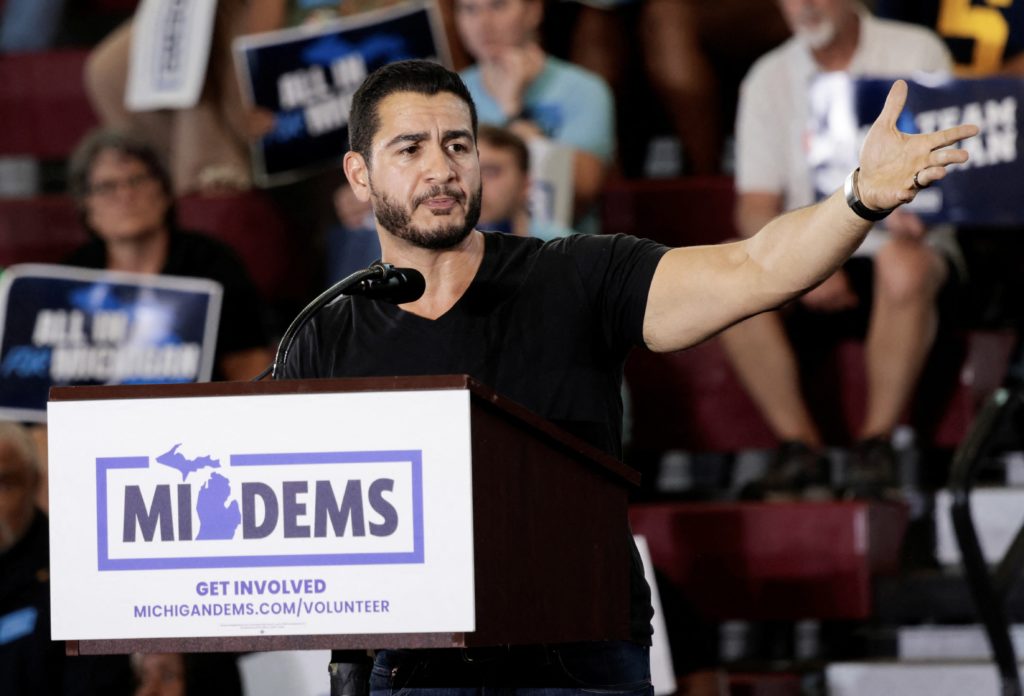
Abdul El-Sayed, the Democratic nominee for the U.S. Senate in Michigan, disclosed that he held a private conversation with former President Barack Obama on August 7, 2026. During televised appearances on August 9, El-Sayed described the discussion as a warm exchange focused on the strategic importance of Michigan in the upcoming November midterm elections. While the candidate declined to provide specific details of the advice received, a spokesperson for Obama confirmed the communication took place.
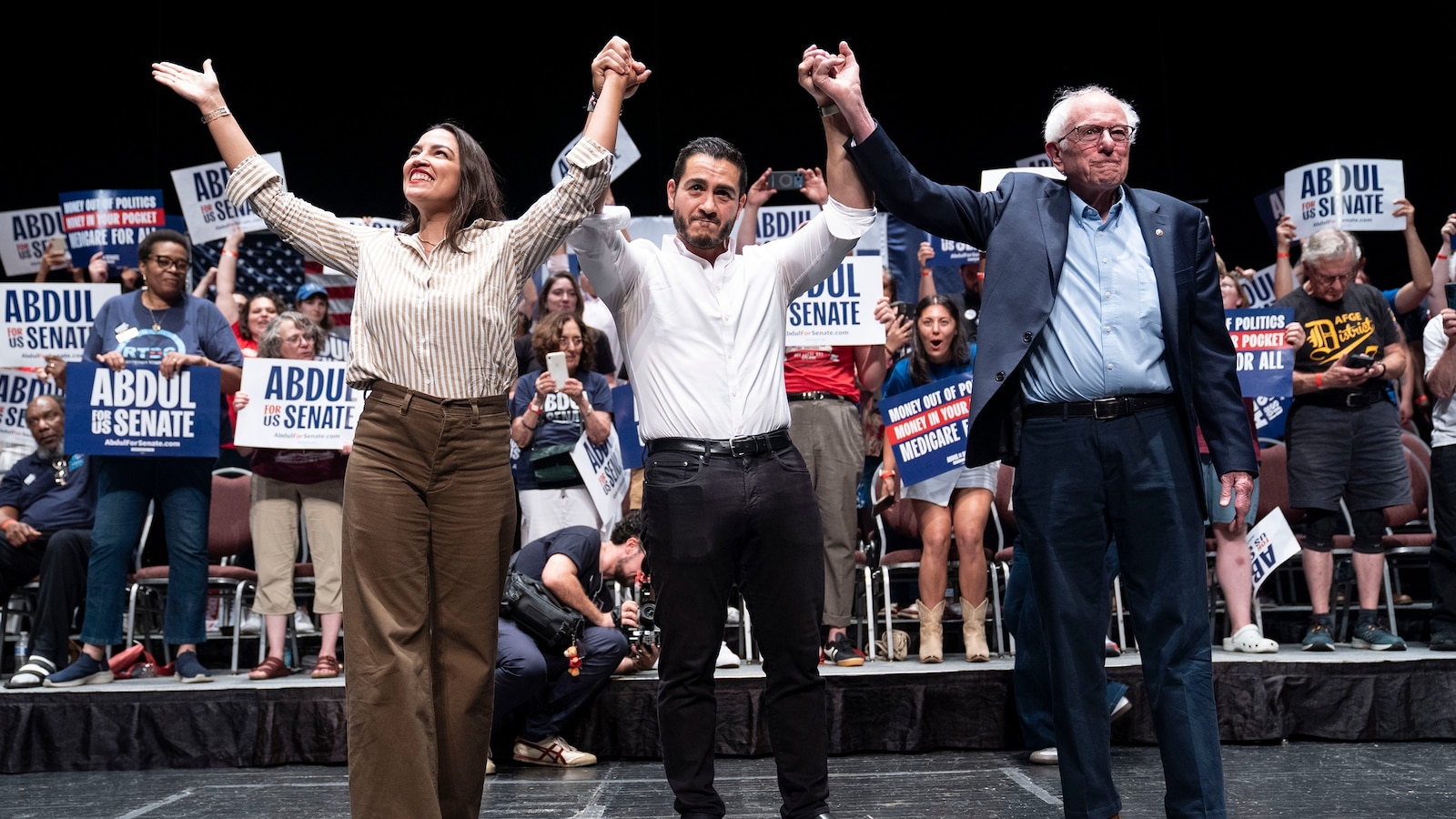
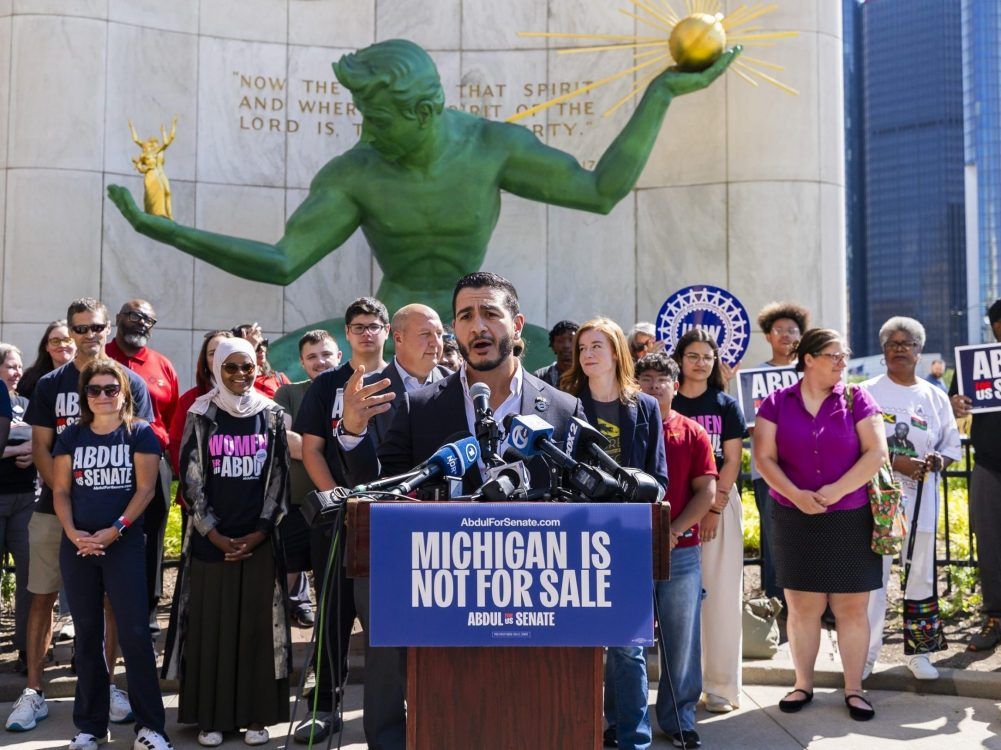
The outreach coincided with a unity rally in Detroit, where Michigan nominees and national Democratic figures attempted to present a cohesive front. El-Sayed, a former public health official, secured the nomination after a closely contested primary against U.S. Representative Haley Stevens, who had received backing from the party establishment.
Why It Matters
The Michigan Senate seat is vacant following the decision of Democratic Senator Gary Peters not to seek reelection. As a perennial swing state, Michigan has seen narrow margins in recent national elections: Donald Trump won the state in 2016 and 2024, while Joe Biden secured it in 2020. A Democratic win is considered a requirement for the party to regain a majority in the U.S. Senate.
El-Sayed's candidacy represents a win for the progressive wing, but the party faces the challenge of reconciling internal divisions. Republican opponent Mike Rogers, a former congressman, has already begun targeting moderate Democrats who may be hesitant to support El-Sayed’s progressive platform. Rogers, who lost a previous Senate bid to Elissa Slotkin in 2024, is actively recruiting voters who feel the Democratic Party is shifting too far to the left.
Key Facts
- Abdul El-Sayed defeated Haley Stevens in the August 2026 primary for Michigan’s U.S. Senate seat.
- Barack Obama carried Michigan in both the 2008 and 2012 presidential elections.
- Republican Mike Rogers is the opposing candidate in the general election.
- Senator Gary Peters is retiring, leaving the seat open.
- El-Sayed appeared on NBC's "Meet the Press" and CNN's "State of the Union" to discuss party unity.
What Happens Next
The Democratic Party will focus on mobilizing its base for the November midterm elections. El-Sayed expressed hope that Obama will campaign in person to help consolidate support among both progressives and moderates. Meanwhile, the Republican campaign is expected to continue emphasizing the ideological differences within the Democratic field to attract centrist voters.
Sources reviewed
Project Chintan independently synthesized and analyzed information cross-checked across the sources listed above.
Related stories
Progressive Primary Victories in Michigan Spark Strategic Shift for Democrats
From the Allagash Woods to the Senate Race: Troy Jackson Challenges Susan Collins
Muslim Political Representation in the U.S. Gains Momentum Within Democratic Ranks