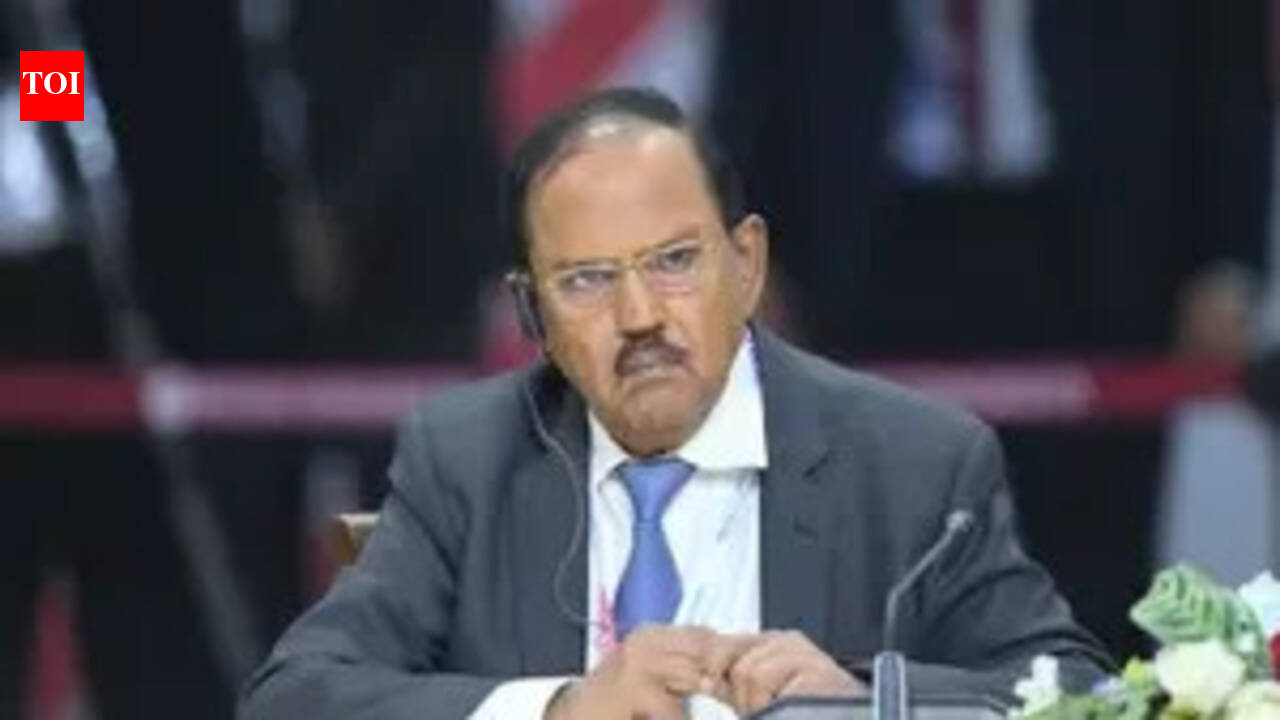
President Murmu Lauds Students Amid Protests, Addresses National Security
President Droupadi Murmu recognized students as "architects of India’s future" while addressing the nation on Independence Day eve. Her speech also touched upon national security, recruitment examination reforms, and India's response to terrorism.
Key takeaways
- President Droupadi Murmu called students "architects of India's future" during her Independence Day eve address.
- The President discussed government efforts to reform public examination systems for increased transparency and security.
- President Murmu also addressed national security, including Operation Sindoor and the suspension of the Indus Waters Treaty.
- The speech outlined the distinct responsibilities of India's executive, legislature, and judiciary.
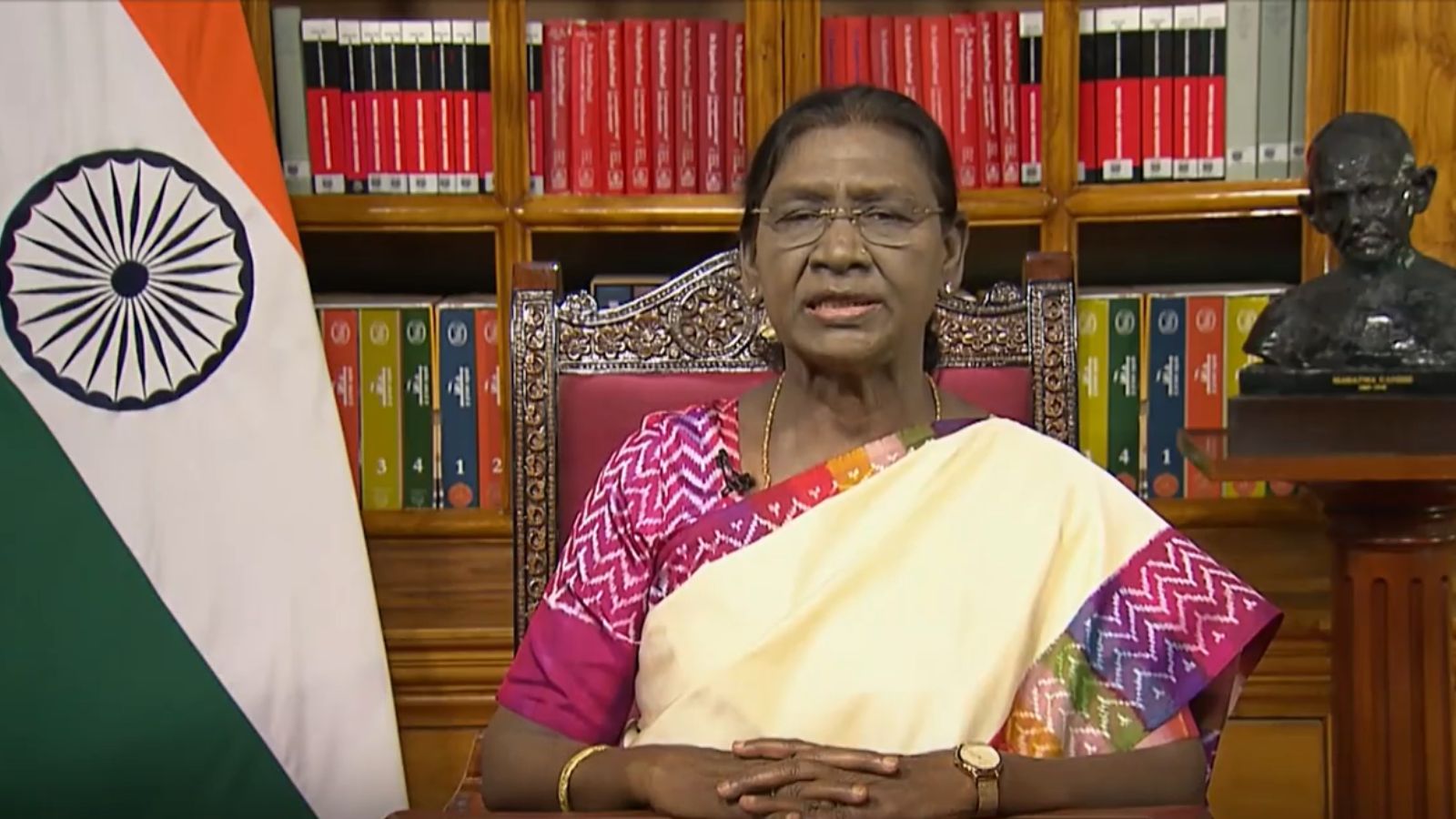
President Droupadi Murmu addressed the nation on the eve of India’s 80th Independence Day, acknowledging students as the nation’s future architects. Her remarks came amidst ongoing nationwide protests concerning recruitment examinations.
The President highlighted the importance of safeguarding students’ futures, stating that public examinations are critical gateways to opportunity. She noted that the government is implementing comprehensive reforms to enhance the transparency, security, and trustworthiness of the examination system, aiming to prevent unfair means.
President Murmu also referenced India’s armed response, Operation Sindoor, to the Pahalgam terrorist attack in April 2025. She stated that the operation sent a strong message to terrorists and their supporters. Additionally, she mentioned the government’s decision to suspend the Indus Waters Treaty with Pakistan, framing it as a decisive step in the nation’s interest, particularly for farmers, until Pakistan addresses cross-border terrorism.
The President also outlined the constitutional responsibilities of the executive, legislature, and judiciary, emphasizing the legislature’s role in representing the people’s aspirations, the executive’s duty in policy implementation, and the judiciary’s obligation to ensure accessible justice for all citizens, especially the deprived.
Sources reviewed
Project Chintan independently synthesized and analyzed information cross-checked across the sources listed above.
Related stories
India Rejects Norway FM's Kashmir Comments, Cites Pakistan-Backed Terrorism
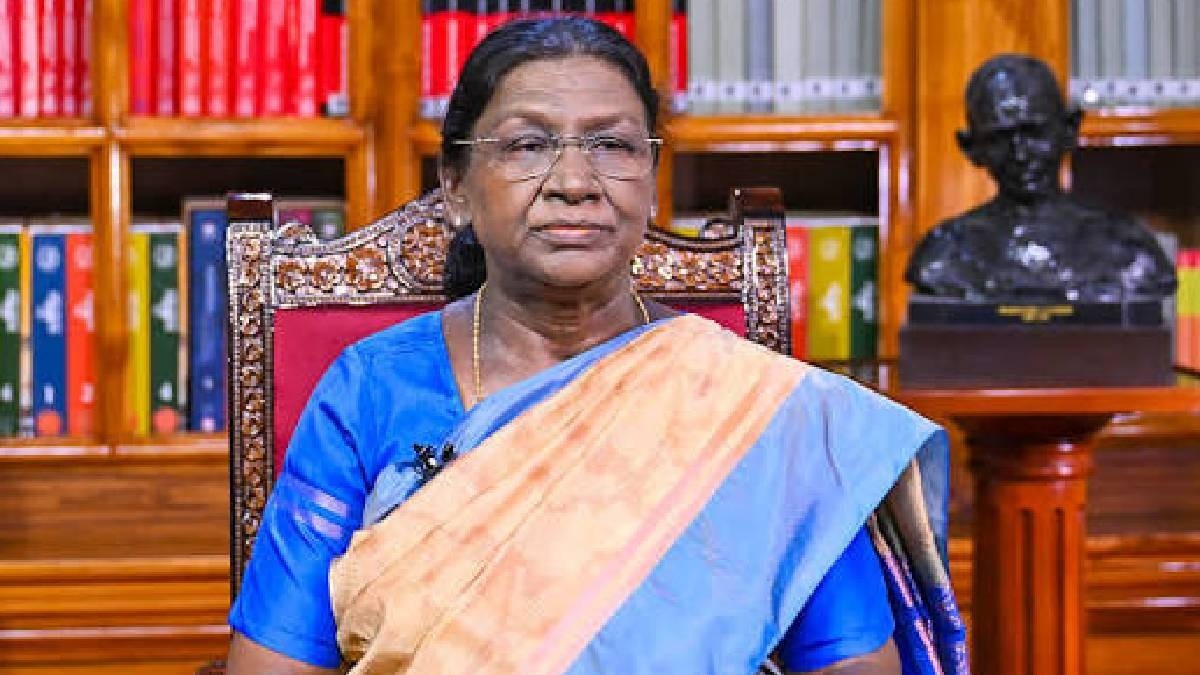
President Murmu Announces Comprehensive Reforms for Public Examinations

Dharwad DC Urges Students to Consider Armed Forces for National Service