Perseid Meteor Shower Peaks Amid Dark Skies and Solar Eclipse
The annual Perseid meteor shower is reaching its peak with up to 100 meteors per hour expected. The event coincides with a new moon, providing exceptionally dark skies for optimal viewing.
Key takeaways
- The Perseid meteor shower is peaking, with up to 100 meteors per hour expected under clear, dark skies.
- The event is enhanced by a new moon, minimizing moonlight interference.
- A total solar eclipse will occur on Wednesday, visible in parts of Europe, Greenland, and Russia.
- The Perseids are caused by Earth passing through debris from Comet 109P/Swift-Tuttle.
What Happened
The Perseid meteor shower, one of the year's most popular celestial events, is reaching its peak overnight from Wednesday to Thursday. This year's viewing is enhanced by a new moon phase, which significantly darkens the night sky by positioning the moon's unilluminated side towards Earth. This alignment minimizes moonlight interference, creating ideal conditions for observing shooting stars.
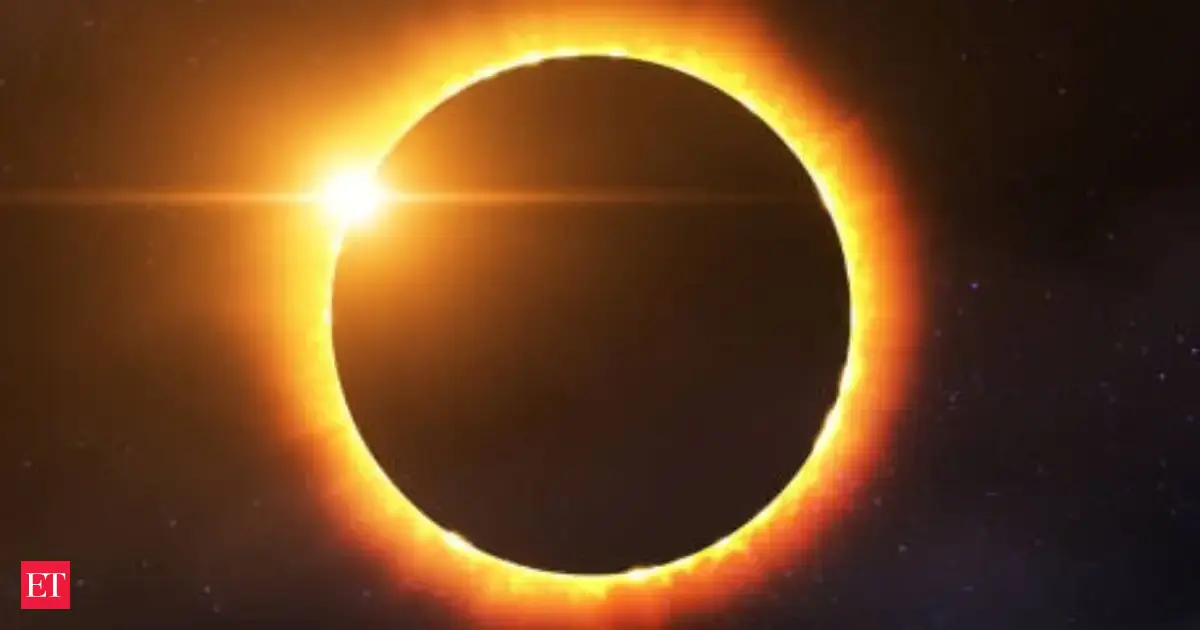
The peak of the Perseids coincides with a total solar eclipse, which will be visible in parts of Spain, Portugal, Greenland, Iceland, and northern Russia on Wednesday. In areas experiencing the eclipse around sunset, observers may witness Perseid meteors during the brief period of totality when the sun's light is fully blocked.
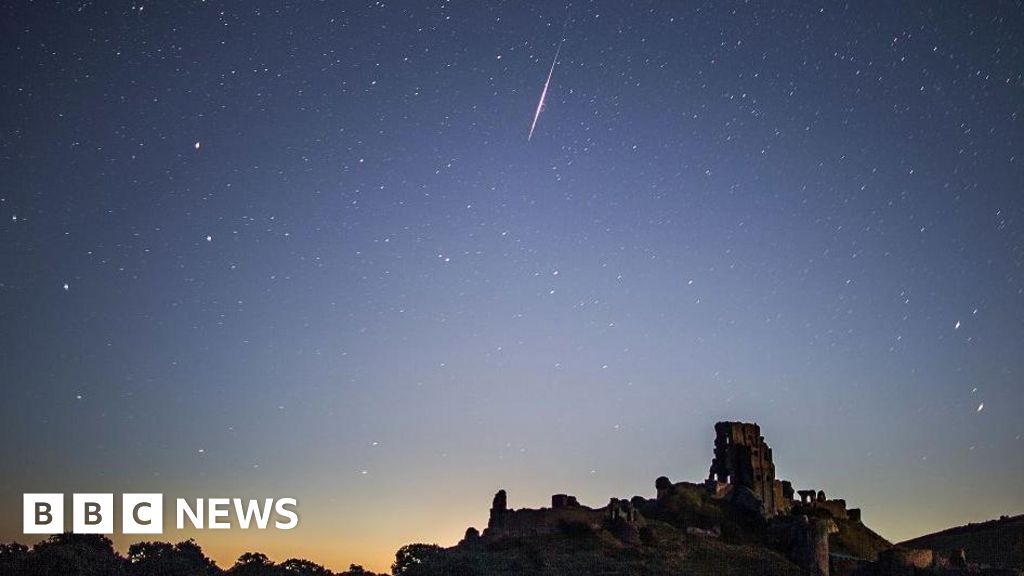
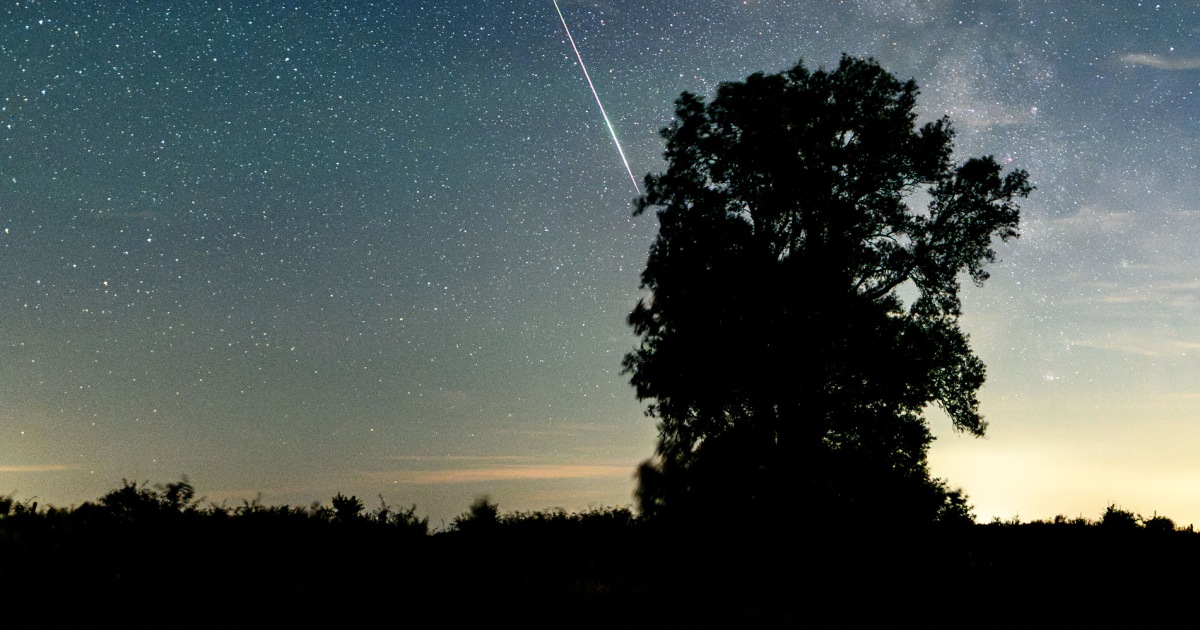
The Perseid meteor shower occurs annually as Earth passes through debris left by Comet 109P/Swift-Tuttle. Streaks of light, known as meteors, are created when this debris enters Earth's atmosphere. The shower is known for producing bright fireballs with glowing trails.
Key Facts
- The Perseid meteor shower is peaking overnight from Wednesday to Thursday.
- A new moon phase is providing dark skies, enhancing visibility for the meteor shower.
- The Perseid meteor shower is caused by Earth passing through debris from Comet 109P/Swift-Tuttle.
- Under ideal conditions, the Perseids can produce up to 100 shooting stars per hour.
- The shower is known for producing bright fireballs.
- A total solar eclipse will occur on Wednesday, visible in Spain, Portugal, Greenland, Iceland, and northern Russia.
- NASA will host a virtual watch party on YouTube beginning at 12 a.m. ET Thursday.
- OMSI is hosting watch events at L.L. Stub Stewart State Park and Rooster Rock State Park in Oregon.
Background
The Perseids are a popular meteor shower due to their occurrence during warmer Northern Hemisphere summer months, typically from mid-July to late August. Meteors are the streaks of light produced as small particles of cometary debris enter Earth's atmosphere and burn up.
What Happens Next
Shooting stars from the Perseid shower are expected to remain visible for approximately two weeks, though the highest rates will occur during the current peak.
Sources reviewed
Project Chintan independently synthesized and analyzed information cross-checked across the sources listed above.