
Perseid Meteor Shower Peaks Amidst Dark Skies
The annual Perseid meteor shower is reaching its peak, offering a dazzling display of shooting stars. Ideal viewing conditions are expected due to a new moon, which will leave the skies dark.
Key takeaways
- The Perseid meteor shower is peaking on August 12-13, with up to 100 meteors per hour visible.
- The new moon phase provides dark skies, enhancing visibility for the meteor shower.
- The Perseids are caused by debris from the Swift-Tuttle comet and are over 2,000 years old.
- For best viewing, find a dark location and allow your eyes to adjust to the dark.
What Happened
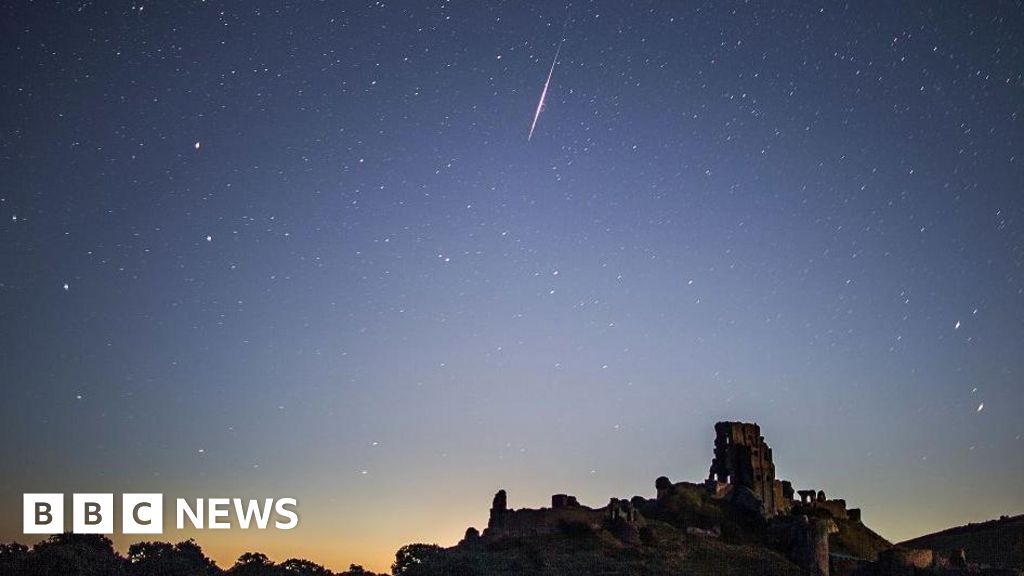
The Perseid meteor shower, one of the year's most anticipated astronomical events, is peaking between August 12 and August 13. This celestial display occurs as Earth passes through debris trails left by the Swift-Tuttle comet. As these fragments enter Earth's atmosphere, they burn up, creating visible streaks of light.
This year's viewing conditions are particularly favorable because the peak of the shower coincides with a new moon. This means there will be no bright moonlight to obscure the meteors, potentially allowing observers to see a greater number of shooting stars. Under optimal conditions, skywatchers could witness between 50 to 100 meteors per hour.
Key Facts
- The Perseid meteor shower is active from mid-July to August 23.
- The peak viewing period is in the early morning hours of August 12 and 13.
- The shower is caused by debris from the Swift-Tuttle comet.
- The meteors appear to originate from the constellation Perseus.
- Ideal viewing conditions are enhanced by the absence of bright moonlight due to the new moon phase.
- Up to 100 meteors per hour may be visible during the peak.
- Observations of the Perseids date back over 2,000 years, making them one of the oldest recorded meteor showers.
Background
Meteor showers occur when Earth traverses the orbital path of comets or asteroids, encountering trails of cosmic dust and rock. The Perseids are named for the constellation Perseus, in the direction of which their apparent radiant lies. The Swift-Tuttle comet, responsible for the Perseids, takes 133 years to complete one orbit around the Sun. Some debris contributing to the shower may have been shed over a century ago.
What Happens Next
While the peak viewing is on the night of August 12 into the early morning of August 13, the Perseid meteor shower will remain active and visible in the skies through the end of August. Experts recommend finding a location away from city lights and allowing eyes about 20 to 30 minutes to adjust to the darkness for the best viewing experience.
Sources reviewed
Primary source: NASA (.gov)
Additional reporting reviewed
Project Chintan independently synthesized and analyzed information cross-checked across the sources listed above.


