
Parliamentary Panel Slams Fisherfolk Welfare Scheme for Low Reach
A parliamentary committee has criticized the Indian government's flagship welfare program for fisherfolk, finding that a mere 2.1% of eligible individuals received financial aid during the annual fishing ban. The panel recommended a significant increase in benefits and faster infrastructure developm
Key takeaways
- A parliamentary panel found that only 2.1% of India's estimated 28 million fishers received financial assistance under a flagship welfare scheme between 2020 and 2025.
- The Pradhan Mantri Matsya Sampada Yojana (PMMSY) was criticized for its "dismally low" performance in cushioning income loss during the annual 61-day fishing ban.
- The panel recommended increasing annual financial assistance to at least ₹10,000 per fisher without beneficiary contribution.
- Slow development of fisheries infrastructure was also noted, with many fish landing centers remaining undeveloped.
- The fisheries department has prepared a proposal to enhance financial assistance, pending fiscal availability and Union Cabinet approval.
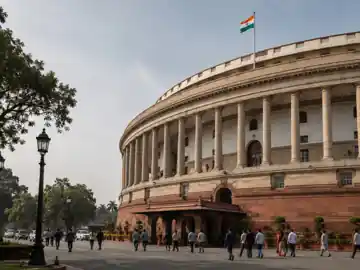
A parliamentary panel has expressed strong disapproval of the Union government's principal welfare initiative aimed at traditional fisherfolk. The committee observed that between 2020 and 2025, only approximately 595,000 out of an estimated 28 million fishers in India received financial aid.
This assistance is intended to compensate for income lost during the mandatory 61-day fishing ban, enforced annually along India's coastlines to protect fish populations during their breeding and spawning periods. The exact duration of this ban varies between the country's east and west coasts.
The Standing Committee on Agriculture, Animal Husbandry and Food Processing deemed the performance of the livelihood and nutritional support aspect of the Pradhan Mantri Matsya Sampada Yojana (PMMSY) as "dismally low." The scheme aims to mitigate income reduction for fishers during the ban.
Under the existing PMMSY framework, the Union government contributes ₹3,000 annually per beneficiary, with an additional ₹1,500 from the beneficiary, totaling ₹4,500. This amount is then disbursed by state or Union territory administrations.
The committee voiced significant disappointment that so few fisherfolk have benefited, especially considering the scheme has been active for five years. It dismissed the government's explanation that low coverage was primarily due to a lack of registration among beneficiaries.
Considering current economic conditions and inflation, the panel proposed an increase in financial assistance to at least ₹10,000 per fisher annually, without requiring any contribution from them. They also called for immediate actions to broaden the scheme's accessibility.
The fisheries department indicated in its response that a proposal to increase financial aid has been drafted for implementation starting in the 2025-26 fiscal year. However, this is contingent upon available funds and approval from the Union Cabinet.
Additionally, the panel highlighted the slow progress in developing fisheries infrastructure. Of the 1,547 notified fish landing centers in India, only 379 were chosen for development since 1964, with just 287 completed by June 2025. The current facilities can only accommodate 148,000 fishing vessels, falling short of the 238,000 active vessels operating nationwide. The committee urged the department to identify more landing centers for modernization, potentially ease selection criteria, and accelerate project execution.
Sources reviewed
Project Chintan independently synthesized and analyzed information cross-checked across the sources listed above.
Related stories

Warwickshire Council Leader George Finch Defends Controversial Stance on Library Displays

Birmingham Green Party Councillor Charged with Five Assaults

Hawaii Officials Urge Tropical Storm Preparedness as System Approaches