
Netanyahu Rejects U.S. Gaza Plan Over Disarmament Conditions
Prime Minister Benjamin Netanyahu has formally opposed a 15-point U.S. Gaza plan, demanding total disarmament of Hamas before any military withdrawal. The decision follows pressure from right-wing allies as Netanyahu faces a competitive upcoming election.
Key takeaways
- Prime Minister Netanyahu has formally rejected a 15-point U.S.-backed Gaza plan endorsed by Hamas.
- Israel refuses to withdraw military forces until a 'genuine' and 'complete' disarmament of Hamas occurs.
- The U.S. Board of Peace acknowledges that total disarmament of Hamas may be an unrealistic objective.
- Internal Israeli political pressure from far-right allies is influencing Netanyahu's rejection of the proposal.

What Happened
Israeli Prime Minister Benjamin Netanyahu officially rejected a 15-point Gaza plan on August 9, 2026, which had been previously supported by U.S. President Donald Trump. Speaking at a cabinet meeting, Netanyahu stated that the Israeli military will not withdraw from Gaza until Hamas is "genuinely" disarmed. This position marks a direct opposition to the document endorsed by Hamas in late July.
Background
The rejected proposal is part of a U.S.-led ceasefire initiative started in October. The plan suggested that Hamas would surrender its weaponry to a new Palestinian governing body, with Israeli forces withdrawing in tandem with this process. However, the Israeli government demands the total destruction of weapons rather than a transfer of control. While the U.S. "Board of Peace" recently adjusted its stance to require Israeli withdrawal only after "complete" disarmament, board members have noted that the total elimination of all Hamas weaponry may not be a realistic goal.
Why It Matters
Netanyahu’s firm stance coincides with a tight race for power, as the Prime Minister faces significant pressure from far-right political allies to abandon the Gaza plan entirely. The disagreement highlights a friction point between the Israeli administration and the U.S. executive branch. Netanyahu indicated that while discussions with the United States continue, Israel will only accept terms that meet its specific security requirements, emphasizing that he is seeking "real" rather than "fictitious" disarmament.
Key Facts
- Prime Minister Netanyahu rejected the 15-point Gaza document on August 9, 2026.
- The plan was part of a U.S.-led ceasefire effort initiated in October.
- Israel demands that Hamas destroy all weapons, whereas the plan suggested a transfer to a nascent Palestinian governing body.
- The U.S. Board of Peace adjusted the deal to require withdrawal only after "complete" disarmament, despite internal doubts regarding its feasibility.
- Netanyahu is currently facing a narrow reelection race and pressure from far-right cabinet members.
Sources reviewed
Project Chintan independently synthesized and analyzed information cross-checked across the sources listed above.
Related stories

Pakistan, Turkey, and Saudi Arabia Formalize Makkah Joint Defense Agreement
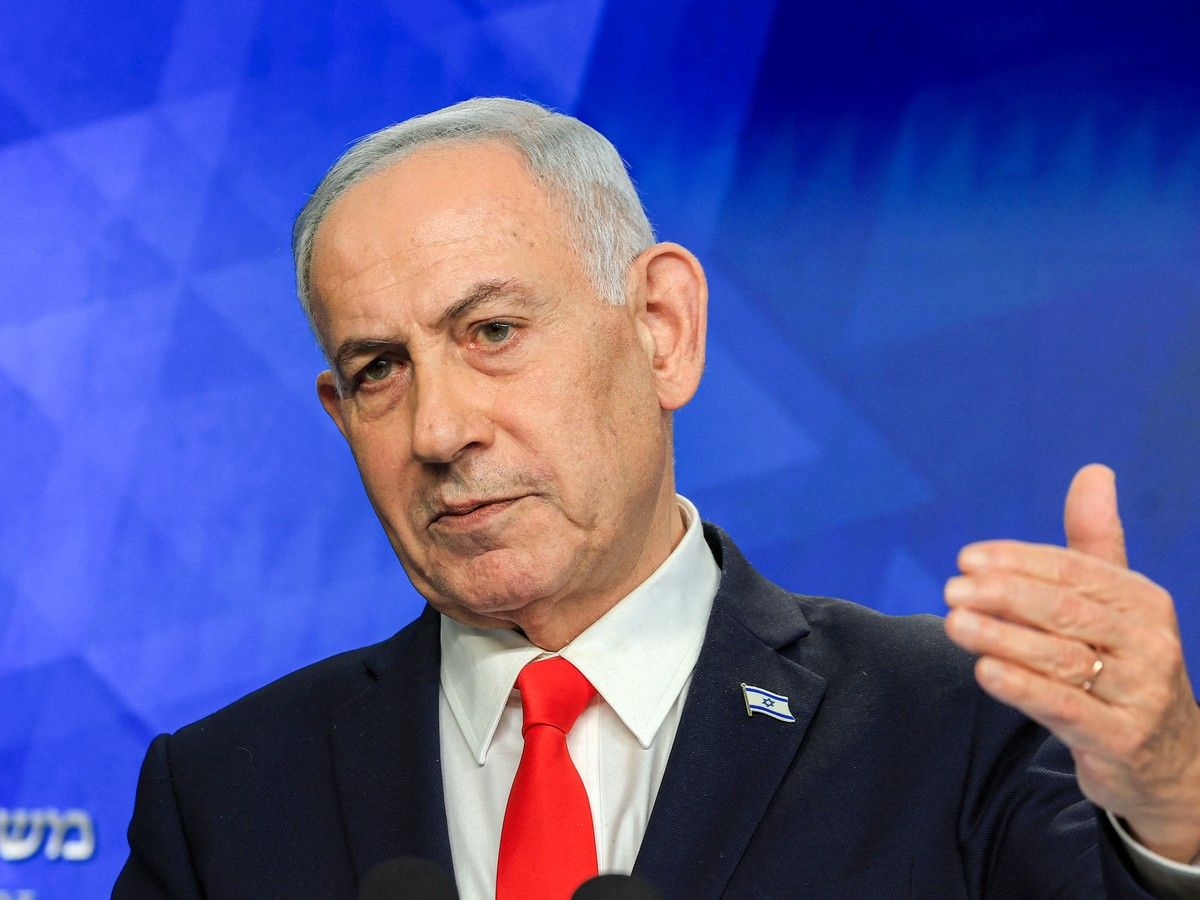
Netanyahu Formally Rejects U.S. Board of Peace Disarmament Roadmap for Gaza
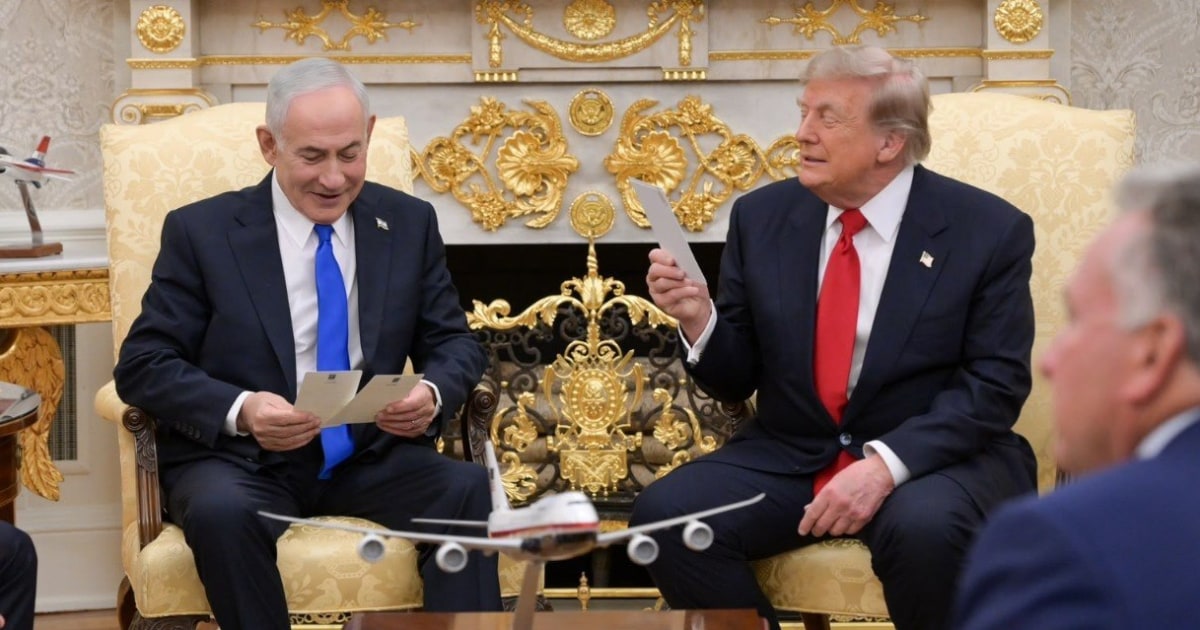
Netanyahu Formally Rejects Trump Peace Board Plan for Gaza Over Disarmament Sequencing
