
NCERT reconstitutes political science textbook panel with RSS links
NCERT has reconstituted the Class 11 and 12 political science Textbook Development Team, with at least four members linked to RSS-affiliated groups. The panel is tasked with preparing the Class 11 book by November and the Class 12 book by July next year, under the leadership of Sandeep Shastri.
Key takeaways
- NCERT has reconstituted the Textbook Development Team for Class 11 and 12 political science.
- The panel is instructed to develop Class 11 by November and Class 12 by July next year.
- At least four members are reported to have direct or indirect links to RSS-affiliated groups, including ABVP.
- Leadership of the panel is held by Sandeep Shastri, a political analyst and academic.
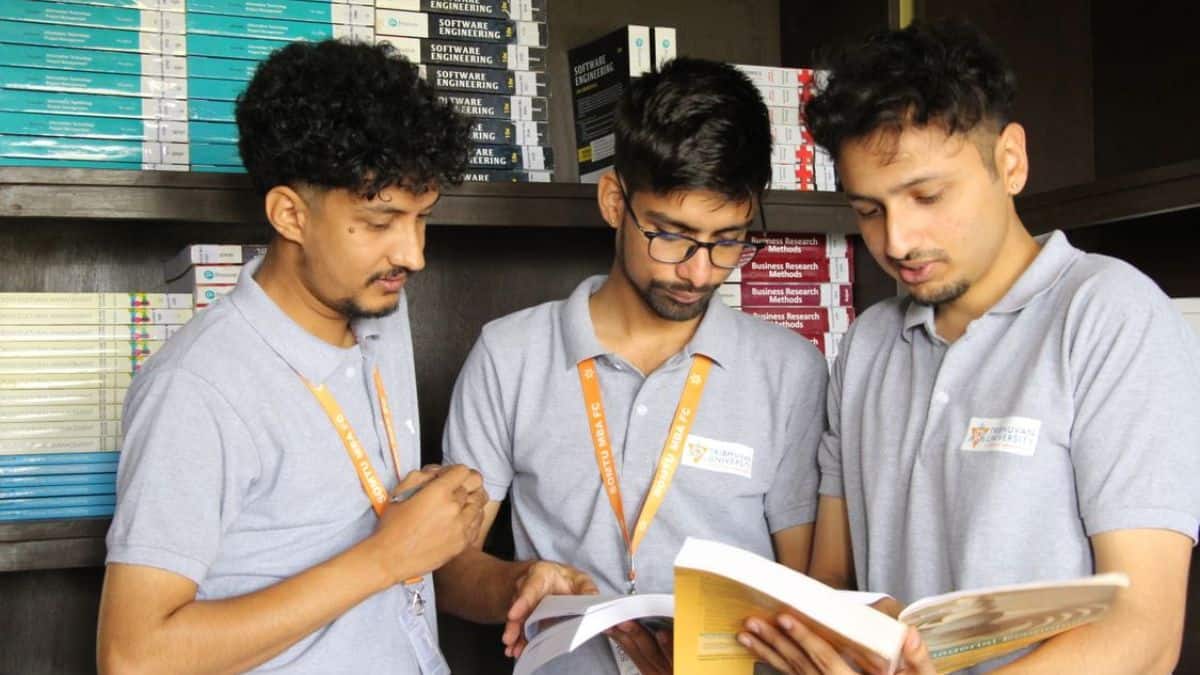
What Happened
The National Council of Educational Research and Training (NCERT) reconstituted its Textbook Development Team for classes 11 and 12 political science. The panel will develop the Class 11 textbook by November and the Class 12 book by July next year. Leadership of the team is assigned to Sandeep Shastri, described as an academic and political analyst and the vice president of a Karnataka-based deemed university. Reports across multiple outlets indicate that the panel includes at least four members with documented links to RSS-affiliated organizations, such as the Akhil Bharatiya Vidyarthi Parishad (ABVP) and other RSS-linked institutions.
The line-up features scholars and academics associated with institutions linked to the RSS ecosystem, including roles at JNU and other universities. Specific biographies cited in the reports mention connections to ABVP or RSS-affiliated groups and, in some cases, roles in political or cultural nationalism research. The named individuals appear across sources with overlapping lists, though there is variation in the exact composition as reported by each outlet.
In parallel coverage, the same recruitment drive is described as aiming to integrate cultural rootedness, Indian knowledge systems, and inclusion into the political science curriculum.
Why It Matters
Observers note that the panel’s reported RSS links raise questions about perceived ideological balance in NCERT’s textbook development process. The inclusion of ABVP and RSS-affiliated scholars could influence the framing of topics such as nationalism and cultural identity within the Class 11 and Class 12 political science syllabi. The development timeline—Class 11 by November and Class 12 by July next year—provides a concrete schedule for revisions that could affect teaching material used in Indian schools.
Background
NCERT has in recent years undertaken revisions to align syllabus and textbooks with broader policy and curricular frameworks. The new panel is described as part of an effort to embed cultural rootedness and Indian knowledge systems into textbooks, a mandate repeatedly cited in the reporting. The leadership of the team is named as Sandeep Shastri, who holds a leadership role at a deemed university in Karnataka. Several listed members are associated with JNU and other institutions and have backgrounds cited as ABVP or RSS-related in the reporting.
Key Facts
- The NCERT reconstituted the Textbook Development Team for classes 11 and 12 political science.
- Class 11 textbook is targeted for completion by November; Class 12 by July of the following year.
- Team is led by Sandeep Shastri, described as an academic and political analyst and vice-president of a Karnataka-based deemed university.
- At least four members have direct or indirect links to RSS-affiliated groups (ABVP or similar RSS-affiliates).
- Members cited include individuals with backgrounds tied to ABVP, RSS-affiliated institutions, and positions at JNU and other universities.
- The stated mandate includes integrating cultural rootedness, Indian knowledge systems, and inclusion.
What Happens Next
NCERT and the newly formed panel are expected to finalize and publish the Class 11 textbook by November and the Class 12 textbook by July next year, according to the reporting. The long-term impact will depend on how the panel interprets and incorporates the stated objectives into the curricula and whether further revisions follow in subsequent cycles.
Sources reviewed
Project Chintan independently synthesized and analyzed information cross-checked across the sources listed above.
Related stories

Kharge: Modi govt destroyed students' future; roadmap for youth urged

Congress hits census 2027, calls questionnaire flawed and nefarious
Jharkhand cancels CGL exam after protests, leaving 2,000 job seekers uncertain
