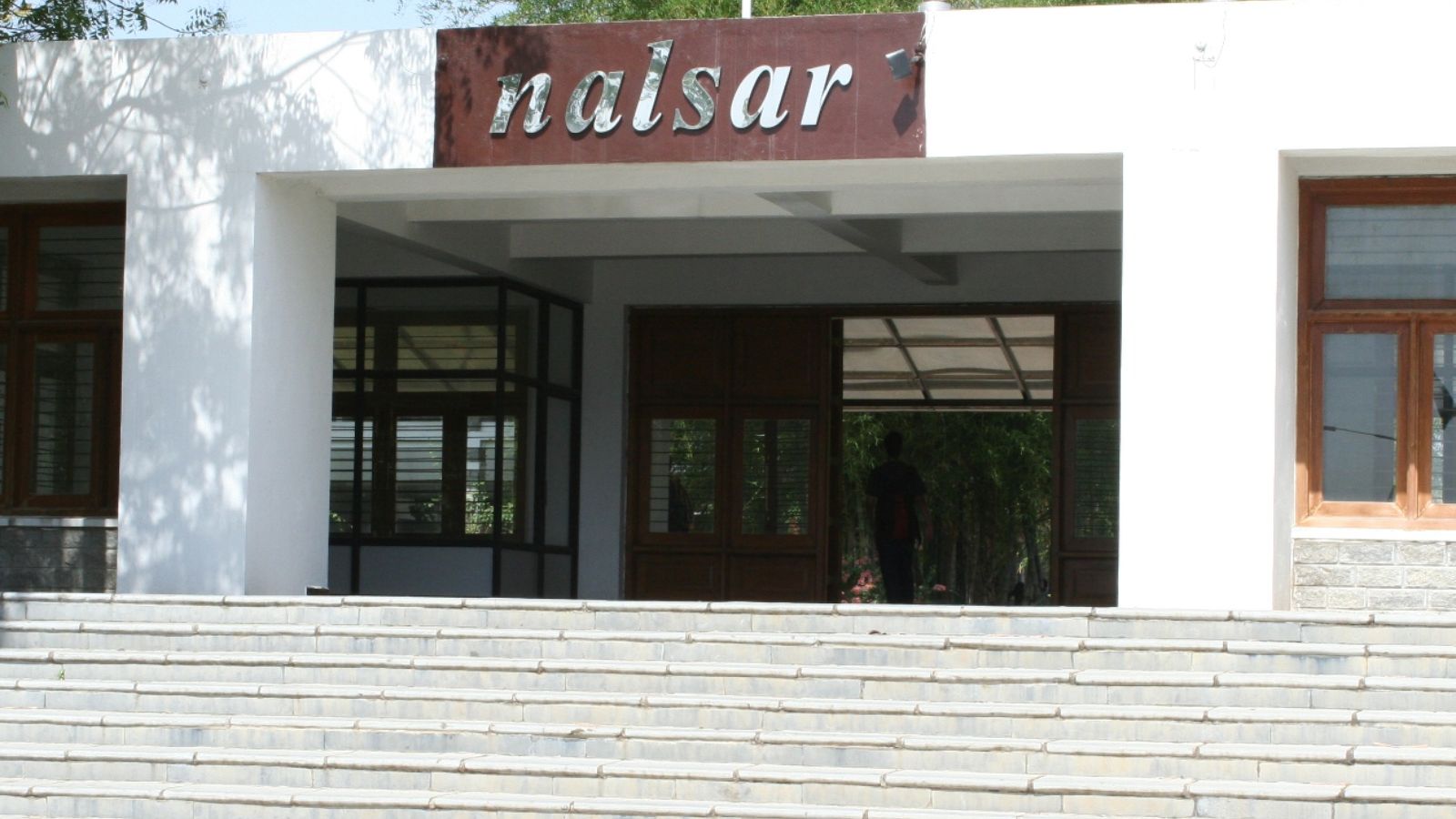
NALSAR students demand apology as BCI reverses enrolment ban
The Bar Council of India rescinded its directive to block enrolment for NALSAR’s 2026 graduates after student protests opposing inviting the CJI. The Student Bar Council called for an apology from BCI chair Manan Kumar Mishra.
Key takeaways
- The Bar Council of India reversed its directive blocking enrolment for NALSAR's 2026 graduates after receiving backlash from the judiciary and student groups.
- The Supreme Court criticized the initial directive as uncalled for, emphasizing a dialogue between students and authorities.
- NALSAR's Student Bar Council demanded an apology from BCI chair Manan Kumar Mishra for alleged objectionable comments.
- An ongoing factual inquiry by the BCI will determine further actions based on its findings.
What Happened
The Bar Council of India (BCI) initially ordered state bar councils not to enroll any 2026 NALSAR University of Law graduates as advocates until further notice, triggering a backlash that drew in the university and the judiciary. After criticism from the Supreme Court and protests by students, the BCI reversed course, allowing 2026 graduates to pursue enrolment with any State Bar Council. BCI chair Manan Kumar Mishra indicated that the inquiry would continue and that actions would follow based on findings. Separately, the NALSAR Student Bar Council condemned the BCI decision and demanded an apology from Mishra for what they described as “objectionable comments” against students and faculty, tying the dispute to the broader campaign opposing inviting Chief Justice of India Surya Kant to the convocation.
Why It Matters
The episode tests the balance between institutional authority and student dissent within a constitutional democracy, highlighting debates over academic autonomy, privacy concerns in investigations of campus activism, and the role of a national bar regulator in university affairs. The Supreme Court’s commentary characterized the initial directive as an overstep, reinforcing the principle that students retain the right to peaceful protest and dialogue with high-level legal figures. The reversal potentially preserves graduates’ ability to enrol while leaving an unresolved inquiry about the conduct of BCI officials.
Background
NALSAR University of Law, located in Hyderabad, faced criticism over a campaign by roughly 450 of its students against inviting Chief Justice of India Surya Kant to the university convocation. In response, the BCI issued a directive affecting the 2026 graduating batch, which was subsequently withdrawn after pushback from the judiciary and students. The Student Bar Council framed its response around constitutional fidelity, dissent, and the university’s role in nurturing critical inquiry.
Key Facts
- NALSAR University of Law is based in Hyderabad, with about 1,400 students, of which around 450 participated in a campaign opposing inviting the CJI to the convocation.
- The BCI directed state bar councils not to enroll any 2026 NALSAR graduates as advocates until further notice.
- The BCI later reversed the directive, allowing 2026 graduates to seek enrolment with any State Bar Council; the inquiry into the matter would continue.
- The reversal came after criticisms in the Supreme Court, including comments that the directive was “absolutely uncalled for.”
- The NALSAR Student Bar Council issued a letter condemning the event and calling for an apology from BCI chair Manan Kumar Mishra for alleged “objectionable comments.”
What Happens Next
The BCI said its factual inquiry would proceed and that any further action would depend on its findings. The enrolled status of graduates remains contingent on the outcome of the ongoing inquiry and any subsequent regulatory decisions by the BCI or State Bar Councils.
Sources reviewed
Project Chintan independently synthesized and analyzed information cross-checked across the sources listed above.
Related stories

PM Modi announces AI skilling for 1 crore youth, free online coaching

How FTII shaped India’s filmmaking rebels under Jagat Murari

PM Modi’s Red Fort speech: AI training for youth and free coaching announced