
Mumbai auto drivers strike over Marathi language rule
Mumbai autorickshaw drivers began a three-day strike to protest a Marathi language requirement for drivers, arguing it imposes a financial and educational burden on non-Marathi speakers.
Key takeaways
- A group of Mumbai auto drivers launched a three-day strike in response to a Marathi language proficiency requirement for drivers.
- Protesters blocked Kandivli Link Road as part of their demonstration and cited educational barriers among older drivers.
- Penalties for non-compliance are mentioned as a financial risk, with a cited figure of Rs 15,000-20,000 in discussion.
- The action reflects broader opposition to the language directive within the transport workforce.
What Happened
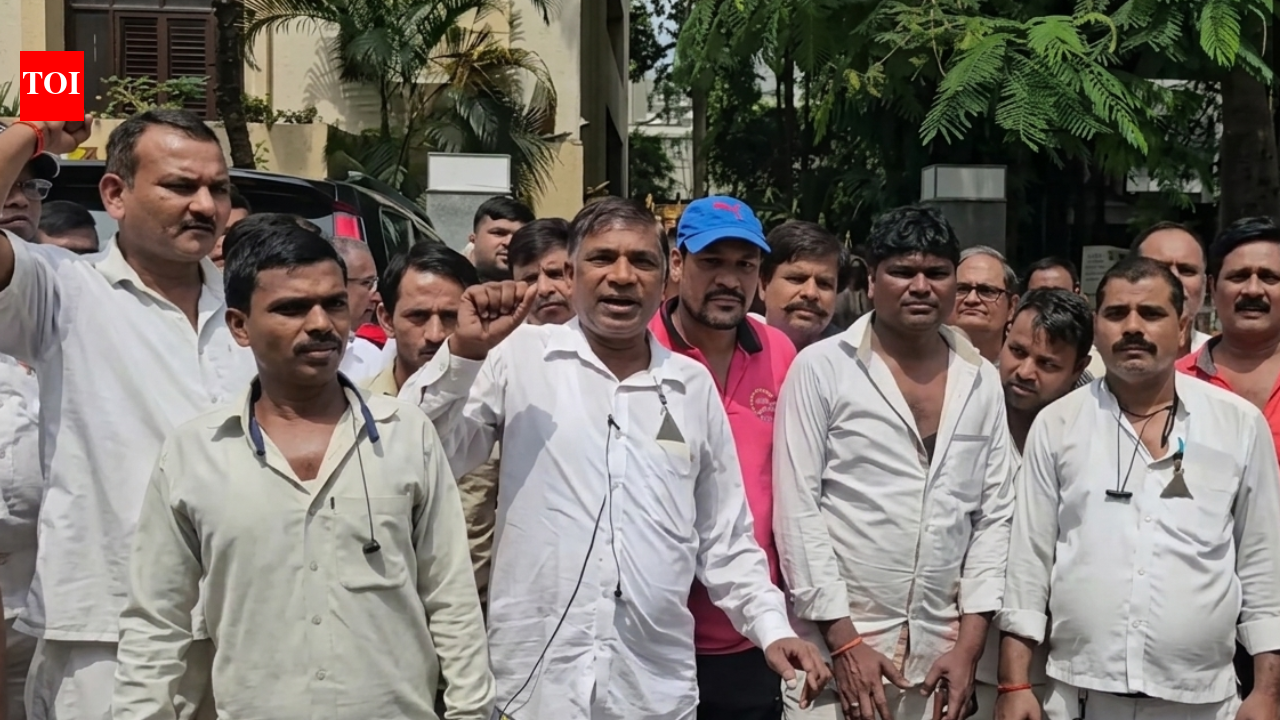
In Mumbai, a segment of auto-rickshaw drivers initiated a three-day protest and stoppage. The action followed a directive mandating Marathi language proficiency for auto-rickshaw, taxi, and cab drivers. Protesters blocked Kandivli Link Road as part of their demonstration. They dispute the requirement, arguing it places an extra burden on drivers who may not have formal education or fluency in Marathi. One participant described being 55-60 years old, noting they never attended school and cannot meet the language standard, while others said they are attempting to learn spoken Marathi but fear penalties rather than support. The group indicated they would continue the three-day strike unless the matter is resolved. The protest comes amid broader resistance among transport workers to the language rule and its penalties.
Why It Matters
The dispute centers on a government or regulatory measure that ties licensure-related language skills to employment for drivers. Protests highlight tensions between mobility workers’ ability to operate and policy aims to improve communication with passengers. The conflict is framed around education, fines, and the practicality of implementing a language requirement for a large, diverse workforce.
Background
The report describes a growing opposition among a subset of transport workers to the Marathi language directive, with demands that authorities reconsider the requirement and the penalties associated with non-compliance. The specifics of the regulatory framework, its scope across vehicle types, or the official timetable for implementation are not detailed in the source.
Key Facts
- Autorickshaw drivers in Mumbai staged a roadblock on Kandivli Link Road as part of a three-day protest and strike.
- The protest targets a Marathi language proficiency requirement for auto-rickshaw, taxi, and cab drivers.
- Drivers claim the language rule imposes an additional financial burden and is difficult for older drivers with limited formal education.
- One driver described his age range as 55-60 and said he never attended school, expressing concern about meeting the Marathi standard and facing fines.
- Drivers indicated they would continue the three-day strike unless “justice is done,” and referenced potential fines of Rs 15,000-20,000 for non-compliance.
- The protest is part of broader opposition to the language directive among transport workers.
What Happens Next
The source notes ongoing opposition and calls for reconsideration of the language requirement and penalties, but does not specify any official next steps, deadlines, or resolutions. Further updates from authorities or transportation unions would be required to determine the next phase of the dispute.
Sources reviewed
Project Chintan independently synthesized and analyzed information cross-checked across the sources listed above.
Related stories

Kerala HC asks state to review renaming Mental Health Centres to reduce stigma
Telangana forms high-level panel to modernise polytechnic education
Land restoration seen as investment, says environment minister