
Land restoration seen as investment, says environment minister
India's environment minister frames land restoration as an investment in food, water and livelihoods during UNCCD COP discussions in Mongolia, citing its role in sustainable development and climate resilience.
Key takeaways
- India’s environment minister framed land restoration as an investment in food security, water, biodiversity and livelihoods.
- The comments were delivered during a UNCCD COP17 ministerial dialogue in Mongolia, with a focus on financing mechanisms for land health and drought resilience.
- India reported restoring 21.76 million hectares of degraded land in 2011-2020 per the Bonn Challenge progress report.
- India has pledged to restore 13 million hectares, plus 8 million more by 2030, under Bonn Challenge commitments.
- India highlighted a blended green-finance framework and cited the Green Credit Programme as private-financing examples for forest land restoration.
What Happened
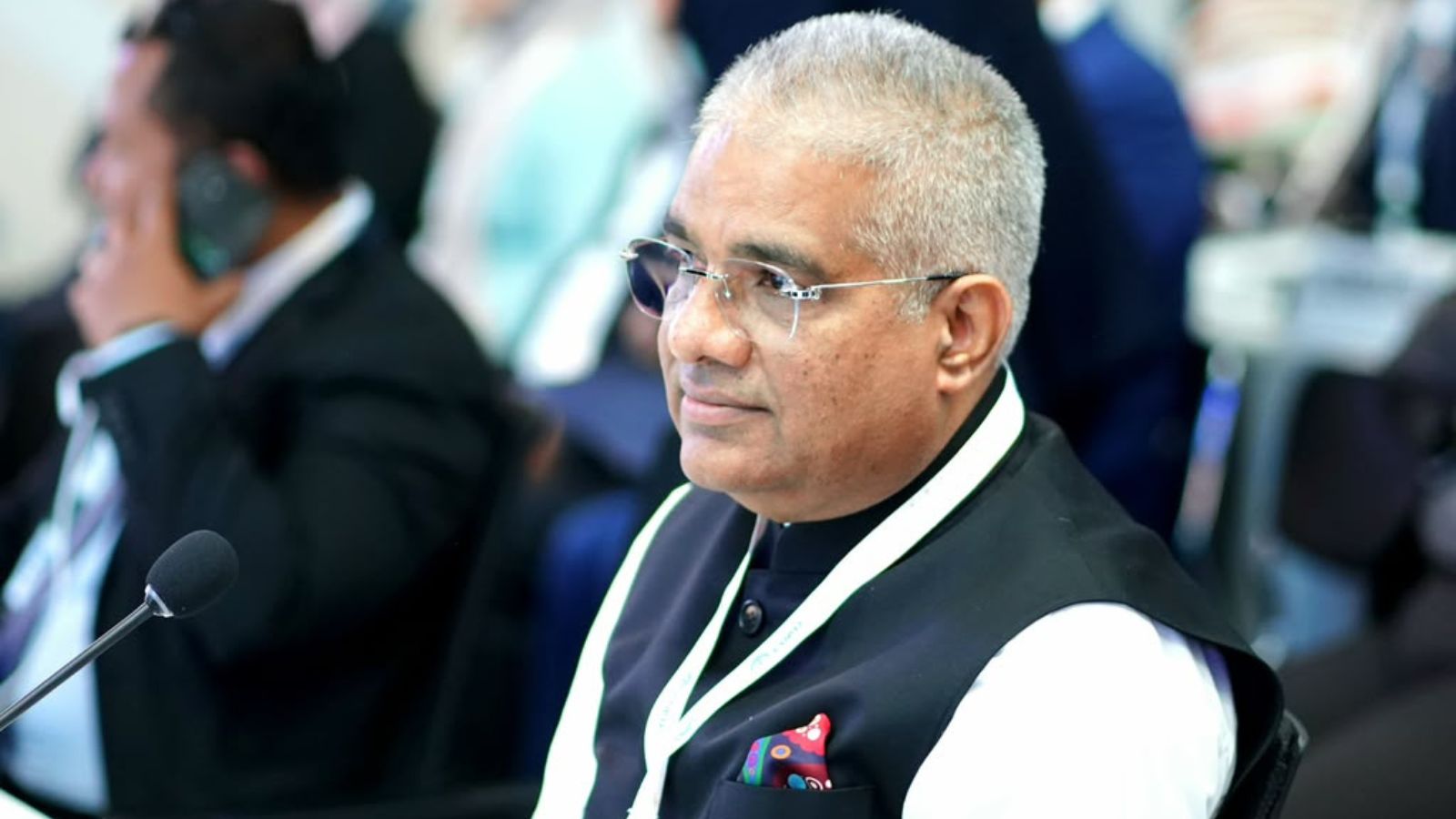
At the Ministerial Dialogue during the 17th Conference of Parties to the UN Convention to Combat Desertification, held in Ulaanbaatar, Mongolia, Indian Union Minister for Environment, Forest and Climate Change Bhupender Yadav described restoring degraded land as an investment rather than a cost. The dialogue's theme was Innovate Financial Mechanisms for Healthy Land and Drought Resilience. During a side event, Yadav noted India’s performance on land restoration from 2011 to 2020, referencing the Bonn Challenge progress report.
Yadav stated that land restoration should be viewed as an essential component of sustainable and resilient development, not a standalone intervention. He also emphasized the need for diversified, predictable, and sustained finance beyond public budgets and for strong public-private partnerships. He highlighted India’s blended green-finance framework designed to support climate adaptation, sustainable land use, forestry, agriculture, afforestation and biodiversity conservation. As an example of private financing for restoration, he cited the Green Credit Programme for restoring degraded forest land.
Why It Matters
The minister’s framing shifts the narrative around land restoration from a fiscal burden to an investment with long-term implications for food security, water availability, biodiversity and livelihoods. By stressing diversified finance and public-private collaboration, the remarks align with broader climate-finance strategies and may influence how restoration projects are funded and scaled.
Background
The Bonn Challenge, launched in 2011, is a global initiative under which more than 70 countries have committed to restoring degraded and deforested landscapes. The original target was to restore 150 million hectares by 2020, with a further target of 350 million hectares by 2030. India has pledged to restore 13 million hectares, plus an additional eight million hectares by 2030.
Key Facts
- Speaker: Bhupender Yadav, Union Minister for Environment, Forest and Climate Change, India.
- Event: Ministerial Dialogue at COP17 of UNCCD, in Ulaanbaatar, Mongolia.
- Dialogue theme: Innovate Financial Mechanisms for Healthy Land and Drought Resilience.
- India’s reported restoration: 21.76 million hectares of degraded land restored during 2011-2020, per Bonn Challenge progress report.
- Bonn Challenge: global initiative; >70 countries committed to restore 150 million ha by 2020 and 350 million ha by 2030.
- India’s pledge: 13 million hectares to be restored, plus an additional 8 million hectares by 2030.
- Financing: emphasized need for diversified, predictable, sustained sources beyond public budgets and for public-private partnerships.
- Financial instruments: India’s blended green-finance framework supports climate adaptation, sustainable land use, forestry, agriculture, afforestation and biodiversity conservation.
- Private financing example: Green Credit Programme for restoring degraded forest land.
What Happens Next
The remarks point to continued emphasis on multi-source finance and private sector participation for land restoration across the Bonn Challenge commitments, with India highlighting ongoing financial mechanisms and private financing examples as a model for scaling restoration efforts.
Sources reviewed
Project Chintan independently synthesized and analyzed information cross-checked across the sources listed above.
Related stories

CM drops second Chennai airport plan for now

Man Held for Chopping Sandalwood in Reserve Forest

Delhi teen builds 500-plant terrace garden that wildlife loves
