Legislative Shift: How the 2026 MSMED Amendment Aims to End India’s Payment Crisis
The MSMED (Amendment) Act of 2026 introduces statutory timelines and online dispute resolution to protect the working capital of India's small businesses. By reforming enforcement mechanisms and promoting invoice discounting, the law seeks to transition the economy from credit-dependence to a trust-
Key takeaways
- The 2026 MSMED Amendment moves MSME policy from providing credit to enforcing contractual payment rights.
- Courts must now ensure 50% of disputed awards are paid if litigation exceeds six months, removing the incentive for buyers to delay.
- Arbitral awards can now be collected as land revenue arrears via District Collectors, significantly strengthening enforcement.
- Mandatory TReDS usage for Central Public Sector Enterprises aims to provide MSMEs with cheaper liquidity via invoice discounting.
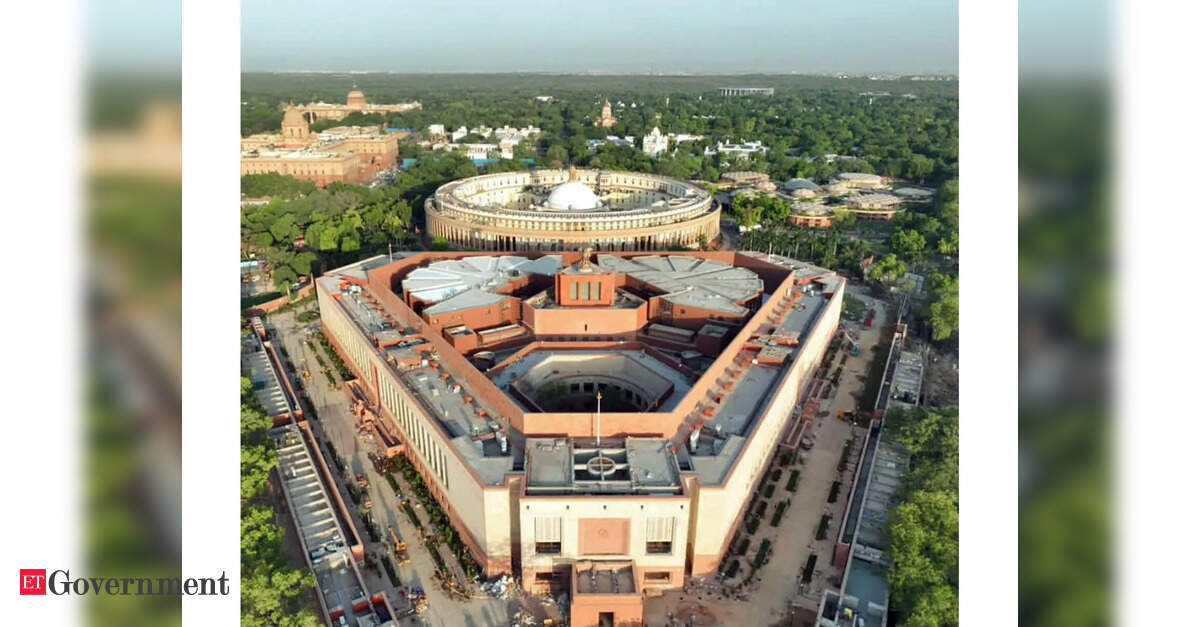
A fundamental shift in India’s policy framework for small businesses has arrived with the Micro, Small and Medium Enterprises Development (Amendment) Act, 2026. While previous efforts focused heavily on increasing credit access, this legislation prioritizes the enforcement of contractual rights and the protection of liquidity. For millions of entrepreneurs, the core issue has never been a lack of competitive spirit, but rather the systemic burden of delayed payments that trap working capital and stifle growth.
Why It Matters
In developed economies like Germany, Japan, and South Korea, the strength of the industrial base relies on a culture of timely payments and contractual certainty. In India, delayed payments act as a hidden tax on productivity. When an entrepreneur is forced to borrow to cover operational costs because a customer has failed to pay an invoice, the entire economy suffers a loss in potential investment for technology, exports, and hiring. This amendment aims to transform MSME policy from one of mere incentives to one of institutional protection.
Key Facts
- Statutory Timelines: The law establishes specific periods for mediation and arbitration to prevent commercial disputes from lasting years.
- Online Dispute Resolution (ODR): The 2026 Act officially recognizes ODR, providing a modern, faster alternative to traditional litigation.
- Financial Security during Appeals: Courts must now order the payment of at least 50% of an awarded amount if challenges to that award remain unresolved after six months.
- Enhanced Recovery Powers: Mediated settlements and arbitral awards can now be recovered as arrears of land revenue through District Collectors.
- TReDS Integration: The Trade Receivables Discounting System (TReDS) receives statutory backing, requiring Central Public Sector Enterprises to route invoice settlements through this platform.
Background
Data from the India SME Forum, which represents over 1.2 crore entrepreneurs, shows that delayed payments remain the most significant hurdle for small enterprises. Historically, MSMEs have faced a massive power imbalance; larger buyers could often use litigation as a cost-free strategy to delay payment indefinitely. The 2026 Amendment attempts to rebalance this relationship by ensuring that legal remedies are practical rather than just procedural.
What Happens Next
The implementation of the TReDS mandate for public sector entities will be a critical litmus test for the law's success. As Central Public Sector Enterprises begin routing settlements through the discounting system, the government is also enabling states to encourage their own public sectors to adopt similar practices. By shifting the focus toward invoice settlement rather than bank borrowing, the legal framework intends to unlock vast amounts of liquidity currently frozen in unpaid invoices across the national economy.
Source: ETGovernment.com
Related stories
Rahul Gandhi Outlines Triad of Hardship in Economic Critique for Indian Youth

Mahesh Bhatt Analyzes Alia Bhatt’s Career Trajectory and Family Dynamics

House of the Dragon Season 3 Finale: Scheduling and Tactical Shifts Before the Finale