West Asia crisis shows conflicts have global impact: Modi at SCO Summit
Modi warned at the SCO Summit that the West Asia crisis affects global energy security, maritime trade and supply chains, and urged a united, diplomatically-driven approach to terrorism. He emphasized no room for double standards and highlighted narco-terrorism concerns, with leaders including Xi J
Key takeaways
- West Asia's crisis is framed as having global repercussions for energy, trade routes and supply chains.
- Modi calls for a unified stance against terrorism and the dismantling of its supporting networks.
- Diplomacy and dialogue are emphasized over military solutions as the path to resolution.

What Happened
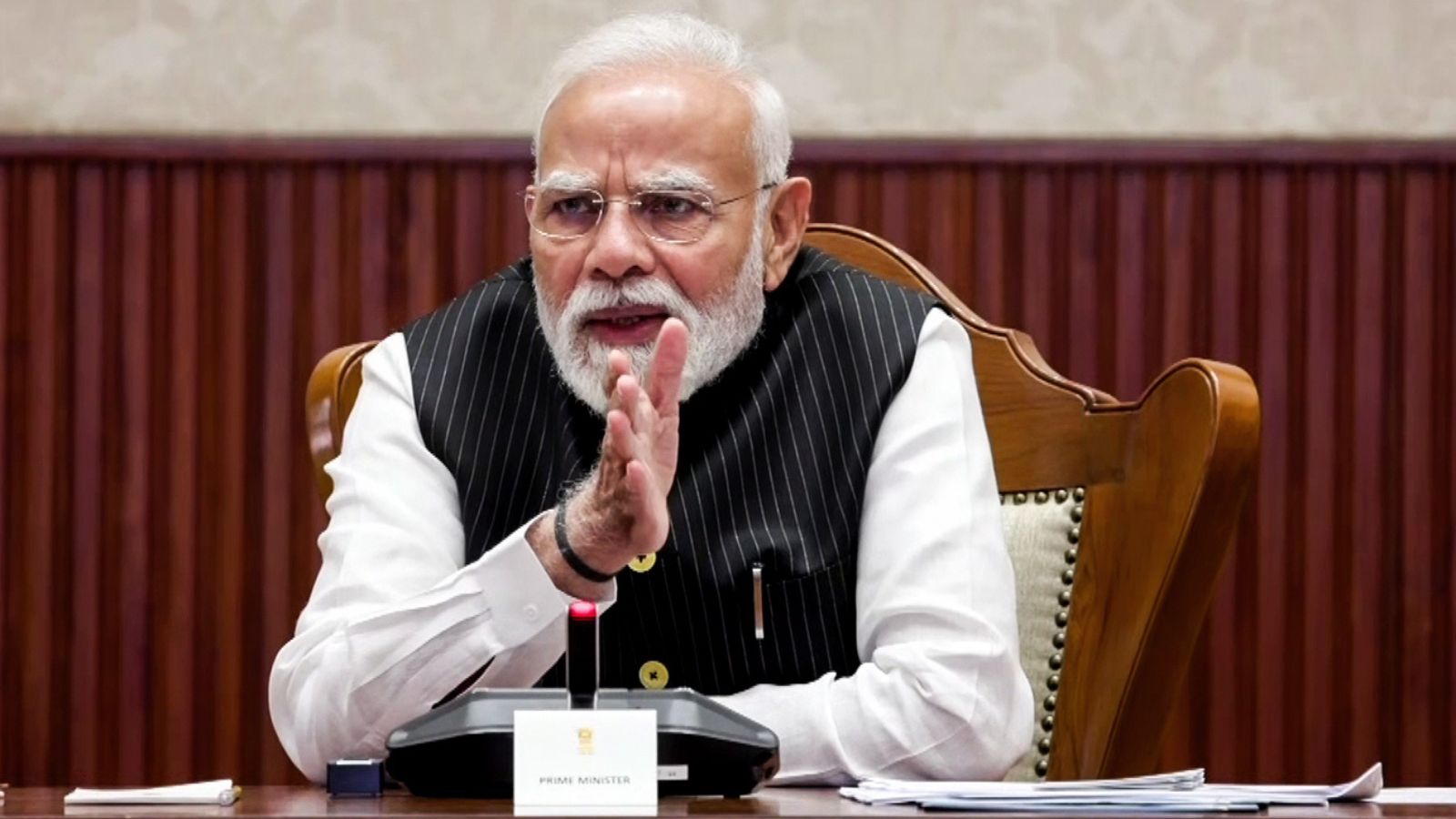
At the 26th Shanghai Cooperation Organisation (SCO) Summit in Bishkek, Prime Minister Narendra Modi addressed regional and global leaders, calling for a united stand against terrorism and urging a dismantling of the wider ecosystem that enables it. He said there can be no room for double standards and that countries sheltering or supporting terrorists must face a firm response. The gathering included Pakistan’s Prime Minister Shehbaz Sharif and leaders such as Chinese President Xi Jinping and Russian President Vladimir Putin.
Modi linked the crisis in West Asia to broader security threats, noting that it has affected energy supplies, maritime trade and global supply chains. He argued that in an interconnected world the security perimeter has widened and that developing nations bear the greatest economic consequences. He also flagged the dangers of narcotics trafficking, tying it to organised crime and regional security, and advocated stronger SCO cooperation to tackle these cross-border threats.
Source material variants describe the same themes: global spillovers from West Asia, a push for dialogue and diplomacy over militarism, and calls for robust connectivity and cooperation among SCO members.
Why It Matters
The speakers framed the West Asia crisis as a test of global governance, arguing that regional conflicts can destabilize energy markets, trade routes and logistics networks worldwide. By tying terrorism to financing, recruitment and safe havens, Modi highlighted a comprehensive approach that links security with economic resilience and regional cooperation. The emphasis on dialogue and the avoidance of battlefield solutions aligns with calls to limit the spillover effects that affect vulnerable economies.
Background
West Asia has seen escalating tensions and military activity amid ongoing conflict dynamics, with regional powers involved and international actors citing shared interests in stability and energy security. The SCO leaders’ presence underscores an emphasis on connectivity, market integration and safeguarding sovereignty within a security framework. The Indian articulation aligns with a broader South Asian perspective on managing regional flashpoints through diplomacy rather than escalation.
Key Facts
- Modi spoke at the SCO Summit in Bishkek, with Pakistan’s PM Shehbaz Sharif and leaders Xi Jinping and Vladimir Putin in attendance.
- He argued there is no room for double standards on terrorism and called for dismantling the terror ecosystem, including financing and safe havens.
- He stated the West Asia crisis affects global energy security, maritime trade and supply chains.
- He noted that developing nations bear the greatest economic consequences of international conflicts.
- He advocated dialogue and diplomacy as the path to resolving tensions, rather than military confrontation.
- He warned about narcotics trafficking as a threat to regional security and youth.
What Happens Next
The SCO format may lead to reinforced regional cooperation on counter-terrorism, drug trafficking and cross-border security efforts, along with push for smoother connectivity, streamlined customs, and digital documentation to bolster logistics. There is an expectation of continued diplomacy-driven messaging from India at regional forums and related international meetings, including potential alignment with broader connectivity and security initiatives across Central Asia and the SCO Charter framework.
Sources reviewed
Project Chintan independently synthesized and analyzed information cross-checked across the sources listed above.
Related stories
Modi urges Putin to end the war as India-Russia talks resume
Modi Meets Iranian President in Bishkek, Calls for Civilians' safety
Modi flags shared vision with Uzbekistan during Tashkent visit