Modi flags shared vision with Uzbekistan during Tashkent visit
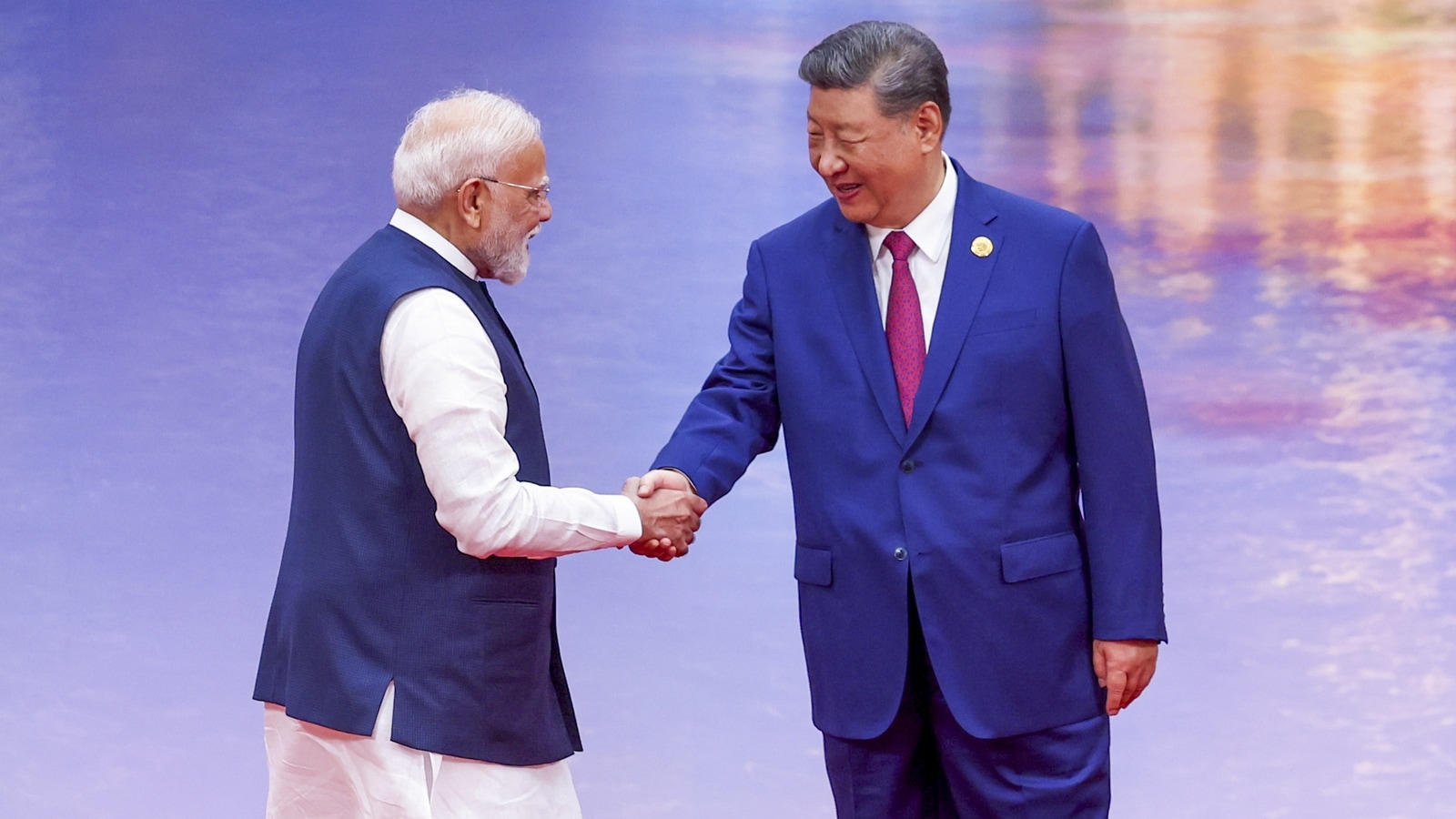
Prime Minister Modi began a four-day Central Asia trip with a dinner meeting in Tashkent, signaling a broad bilateral agenda. He outlined plans to deepen cooperation across trade, energy, defence, and culture, with additional engagements planned in Bishkek for the SCO summit.
Key takeaways
- Modi began a four-day Central Asia itinerary with a dinner meeting in Tashkent and pledged to broaden cooperation across trade, health, energy and defence.
- The visit features cultural engagements, including visits to Shastri Memorial and Gandhi Centre, and a planned yoga program in Uzbekistan.
What Happened
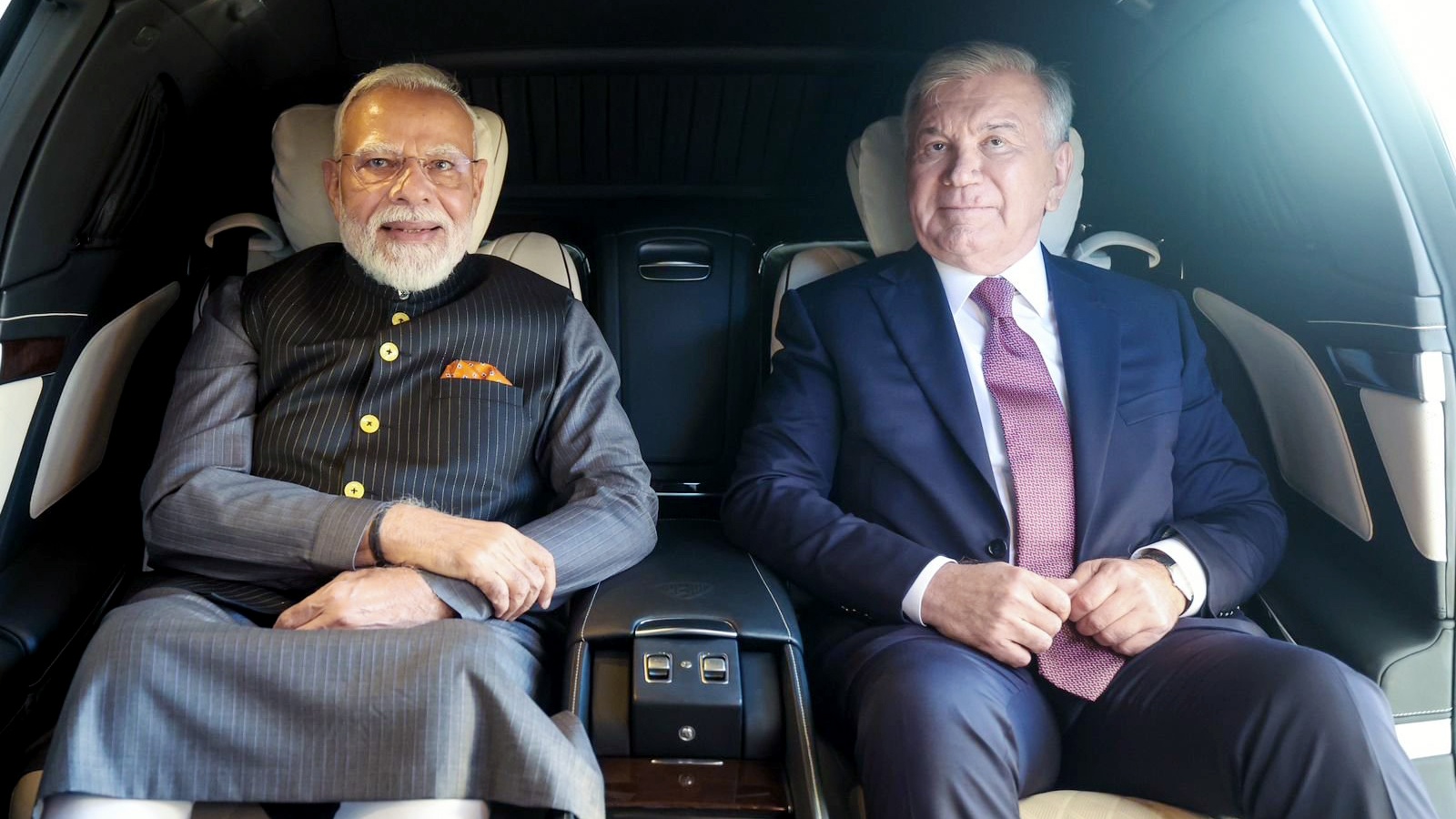
Prime Minister Narendra Modi started his four-day Central Asia itinerary with a dinner meeting with Uzbekistan’s President Shavkat Mirziyoyev in Tashkent. The two leaders pledged to broaden cooperation across a wide span of areas, including trade, tourism, health, energy and defence, framing it as a shared vision.
Modi arrived in Tashkent from Delhi and was received at the airport by Mirziyoyev. He later visited the Yangi Uzbekistan Monument with the Uzbek president and laid a wreath there. In his departure statement, Modi emphasized the trajectory of the India–Uzbekistan Strategic Partnership and expressed an intent to deepen cooperation in areas such as trade and investment, digital connectivity, defence, energy, and people-to-people ties. He also signaled cultural engagement by planning visits to the Shastri Memorial and the Mahatma Gandhi Centre at the Tashkent State University of Oriental Studies (TSUOS).
Modi’s itinerary includes a second bilateral engagement in Tashkent and a move to Bishkek for the Shanghai Cooperation Organisation (SCO) leaders’ summit scheduled for August 31–September 1. The engagement marks Modi’s fourth visit to Uzbekistan and his second bilateral visit; previous interactions occurred in 2015, 2016, and 2022, with a brief meeting in September 2025 on the SCO sidelines in Tianjin, China.
According to India’s MEA Secretary (West) Sibi George, discussions will cover trade and investment, critical minerals, healthcare, business-to-business engagement, education, space, technology, culture, and people-to-people exchanges.
On the economic front, bilateral trade in 2025–26 was around US$1 billion, with Indian investment in Uzbekistan nearing US$1 billion across sectors such as renewables, construction, pharmaceuticals, mining, IT, education, healthcare, engineering, textile, and agriculture. Modi was also slated to participate in a yoga program in Uzbekistan and visit the Kuksaroy Presidential Palace for bilateral talks the following day.
Why It Matters
The visit signals an intent to broaden strategic cooperation beyond traditional trade, encompassing energy, defence, education, culture, and technology. The stated focus on critical minerals, digital connectivity, and space/technology indicates a multi-domain approach to bilateral ties that could influence regional supply chains and diversification of partnerships for both countries.
The cultural and educational exchanges, including yoga diplomacy and Indian cultural programming such as ICCR chairs and language initiatives, reinforce soft-power dimensions that historically accompany economic and strategic agreements in the region.
Background
Historically, India and Uzbekistan have maintained a strategic partnership, with ongoing collaboration in trade, investment, education, and cultural exchange. Modi’s prior visits to Uzbekistan occurred in 2015, 2016, and 2022, and his 2025 visit to the SCO gathering in Tianjin included a brief meeting with Uzbek leadership.
Key Facts
- Modi’s four-day trip to Central Asia began with a dinner in Tashkent with President Shavkat Mirziyoyev.
- Modi is on a two-day state visit to Uzbekistan, followed by participation in the SCO summit in Bishkek on August 31–September 1.
- Modi stated the bilateral discussions would cover trade and investment, digital connectivity, defence, energy, and people-to-people ties.
- Modi planned visits to the Shastri Memorial and the Mahatma Gandhi Centre at TSUOS as part of cultural engagement.
- This is Modi’s fourth visit to Uzbekistan and his second bilateral visit; earlier visits occurred in 2015, 2016, and 2022.
- India is among Uzbekistan’s top 10 trading partners; bilateral trade in 2025–26 neared US$1 billion.
- Indian investment in Uzbekistan is close to US$1 billion across multiple sectors, including renewables, construction, pharmaceuticals, mining, IT, education, healthcare, engineering, textile, and agriculture.
- A yoga program was planned for Modi at the Yoga Federation of Uzbekistan, and ICCR chairs support cultural and language ties in Uzbekistan.
- Uzbekistan hosts the Yangi Uzbekistan Monument, which Modi visited; the country has yoga certification under the Indian AYUSH ministry’s Yoga Certification Board in collaboration with YFU.
What Happens Next
Modi is scheduled to meet Mirziyoyev again in Tashkent for bilateral engagements before continuing to Bishkek for SCO-related activities. Subsequent talks are expected to address trade, investment, and expanded collaboration across the outlined sectors, though any formal agreements or announcements beyond the stated topics are not detailed in the source.
Sources reviewed
Project Chintan independently synthesized and analyzed information cross-checked across the sources listed above.