
Kochi Corporation Council Debates Mosquitoes, Stray Dogs, and Waste Management
Kochi Corporation councillors engaged in heated debate over public health and sanitation issues. The LDF opposition criticized the ruling UDF's handling of mosquito eradication and stray dog control, while the UDF defended its record and blamed past administrations for financial burdens.
Key takeaways
- Kochi Corporation councillors engaged in a heated debate during a council meeting on Thursday.
- Key issues discussed included mosquito eradication efforts, the stray dog menace, and the state of waste management.
- Opposition councillors criticized the ruling party's handling of public health and sanitation, while the ruling party defended its record and blamed previous administrations for financial issues.
- Specific waste management projects like the CBG plant and Black Soldier Fly facilities were highlighted as financially burdensome.
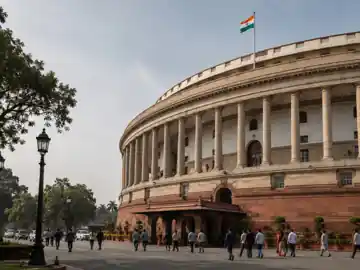
The Kochi Corporation council meeting on Thursday saw sharp exchanges between opposition and ruling party councillors. Discussions focused on the persistent problems of mosquito-borne diseases, an increasing stray dog population, and the effectiveness of waste management systems.
What Happened
Members of the Left Democratic Front (LDF) opposition voiced strong criticism against the ruling United Democratic Front (UDF). LDF parliamentary leader V. A. Sreejith cited media reports of a rise in dengue cases and accused the Corporation of failing to control mosquito populations, despite an earlier action plan by the UDF. Ruling councillor P. V. Chandran contested these claims, stating official dengue case numbers were lower than the previous year.
LDF councillor K. J. Basil highlighted the growing stray dog problem, particularly in West Kochi, warning of potential public unrest if swift action was not taken. The opposition attributed the worsening situation to the failure of the Corporation’s Animal Birth Control programme. However, Welfare standing committee chairperson Antony Painuthara suggested that public feeding of stray dogs was encouraging animals from outside the Corporation limits to congregate within the city.
Councillor S. Sasikala of the LDF criticized the perceived breakdown of systematic waste collection, which she stated had been functional under the previous LDF council. She cited an instance where a waste collection request was denied due to a lack of drivers.
In response, UDF councillor Henry Austin argued that the former LDF council had implemented financially unsustainable waste management solutions. He pointed to the Compressed Biogas (CBG) plant, intended to process 150 tonnes of waste daily but currently handling only 50 tonnes. Additionally, he noted the high annual costs of Black Soldier Fly-based treatment facilities and monthly expenses for plastic collection, advocating for a more economical waste management approach.
Key Facts
- The Kochi Corporation council meeting took place on Thursday.
- Opposition LDF councillors accused the ruling UDF of failing to tackle mosquito eradication and the stray dog menace.
- LDF cited media reports of rising dengue cases, while UDF councillor P. V. Chandran stated officially reported cases were lower than the previous year.
- LDF councillor K. J. Basil warned of public unrest over the stray dog issue, especially in West Kochi.
- The LDF blamed the failure of the Corporation’s Animal Birth Control programme for the worsening stray dog situation.
- Welfare standing committee chairperson Antony Painuthara stated that public feeding of stray dogs contributes to the problem.
- LDF councillor S. Sasikala criticized disruptions to waste collection services.
- UDF councillor Henry Austin stated that the previous LDF council burdened the Corporation with waste management systems costing nearly ₹24 crore annually.
- Austin mentioned the CBG plant handles 50 tonnes of waste daily, falling short of its 150-tonne capacity.
- Black Soldier Fly-based treatment facilities cost over ₹9 crore annually, and plastic collection expenses are ₹75 lakh per month.
Sources reviewed
Project Chintan independently synthesized and analyzed information cross-checked across the sources listed above.
Related stories

OWOF and KLE Society Partner to Combat Malnutrition in Belagavi

DR Congo Ebola Outbreak Nears Deadliest on Record, WHO Warns
India's Top Court Pushes for Food Warning Labels, Questions Regulator's Hesitation
