DR Congo Ebola Outbreak Nears Deadliest on Record, WHO Warns
The Ebola outbreak in the Democratic Republic of Congo is on track to become the deadliest ever, according to the World Health Organization. With over 4,300 cases and 2,000 deaths, containment is hampered by regional instability and difficulties reaching affected communities.
Key takeaways
- The Ebola outbreak in the Democratic Republic of Congo is nearing the deadliest levels recorded.
- Over 4,300 cases and 2,000 deaths have been reported, with containment efforts significantly challenged.
- The outbreak is caused by a rare strain of Ebola lacking an approved vaccine or treatment.
What Happened
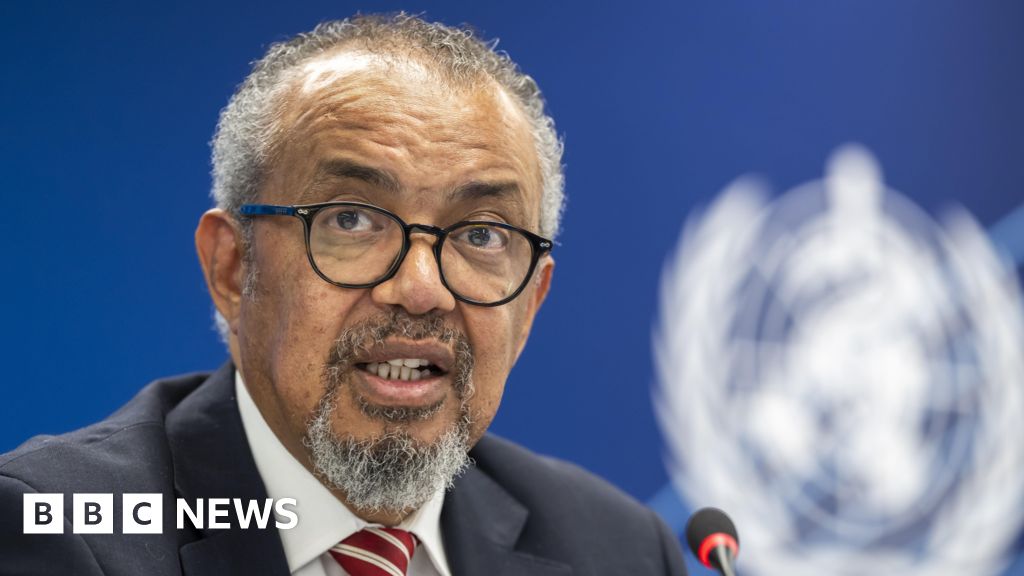
The World Health Organization has warned that the current Ebola outbreak in the Democratic Republic of Congo is on pace to become the deadliest in history. WHO Director-General Tedros Adhanom Ghebreyesus stated that at its present rate, the outbreak could surpass the 2014-2016 West Africa outbreak, which resulted in over 11,000 fatalities.
The outbreak, declared on May 15, has recorded over 4,300 cases and more than 2,000 deaths. Officials believe the virus began circulating in February, significantly before its official declaration, and was initially misdiagnosed as malaria or typhoid. The virus is a rare Bundibugyo species, for which no approved vaccine or treatment currently exists.
Why It Matters
Containment efforts are facing significant challenges. Regional instability in eastern DR Congo, remoteness, weak infrastructure, and under-resourced clinics are preventing health workers from reaching approximately 30% of cases. This limited access contributes to a high number of deaths occurring outside of treatment centers, indicating that transmission chains remain undetected.
Background
The current outbreak is caused by the Bundibugyo ebolavirus species, which has previously caused only two known outbreaks in 2007 and 2012. The 2014-2016 West Africa outbreak, the previous deadliest on record, saw roughly 28,000 cases and over 11,000 deaths, prompting a significant international push for vaccine development. Health officials hope to reverse the spread within three months, focusing on controlling transmission rather than ending the outbreak entirely.
The UK's medicines regulator has permitted human trials for a Bundibugyo vaccine developed by the University of Oxford, utilizing technology similar to the Oxford-AstraZeneca COVID-19 vaccine. Other groups are also developing different vaccines for this strain, and the WHO is sponsoring trials for existing antiviral therapies.
Key Facts
- The current Ebola outbreak in DR Congo has surpassed 4,300 cases and caused over 2,000 deaths.
- It is on track to become the deadliest outbreak on record if current trends continue.
- The outbreak is caused by the rare Bundibugyo species of Ebola, for which no approved vaccine or treatment exists.
- Containment is hindered by regional instability and the inability of health workers to reach about 30% of cases.
- The virus likely began circulating in February, months before the official May 15 declaration.
Sources reviewed
Project Chintan independently synthesized and analyzed information cross-checked across the sources listed above.
Related stories

India's Top Court Pushes for Food Warning Labels, Questions Regulator's Hesitation

Alappuzha Residents Drastically Cut Mosquito Breeding Sites

Fishing Community Bans Youth Alcohol Consumption, Imposes Fines