
Khargone trials show acquittals as prosecutions struggle with evidence
In Khargone, four years after riots, most cases have collapsed or stalled. Only three riot cases reached trial and all ended in acquittals, with investigators cited for evidentiary gaps. The prosecution says it will review judgments before appealing.
Key takeaways
- Four years after the Khargone riots, many cases are unresolved or terminated for lack of evidence.
- Only three riot cases reached trial and all ended in acquittals, with judges critiquing the prosecution's evidence and investigation methods.
- The prosecution plans to review acquittals before considering appeals.
What Happened
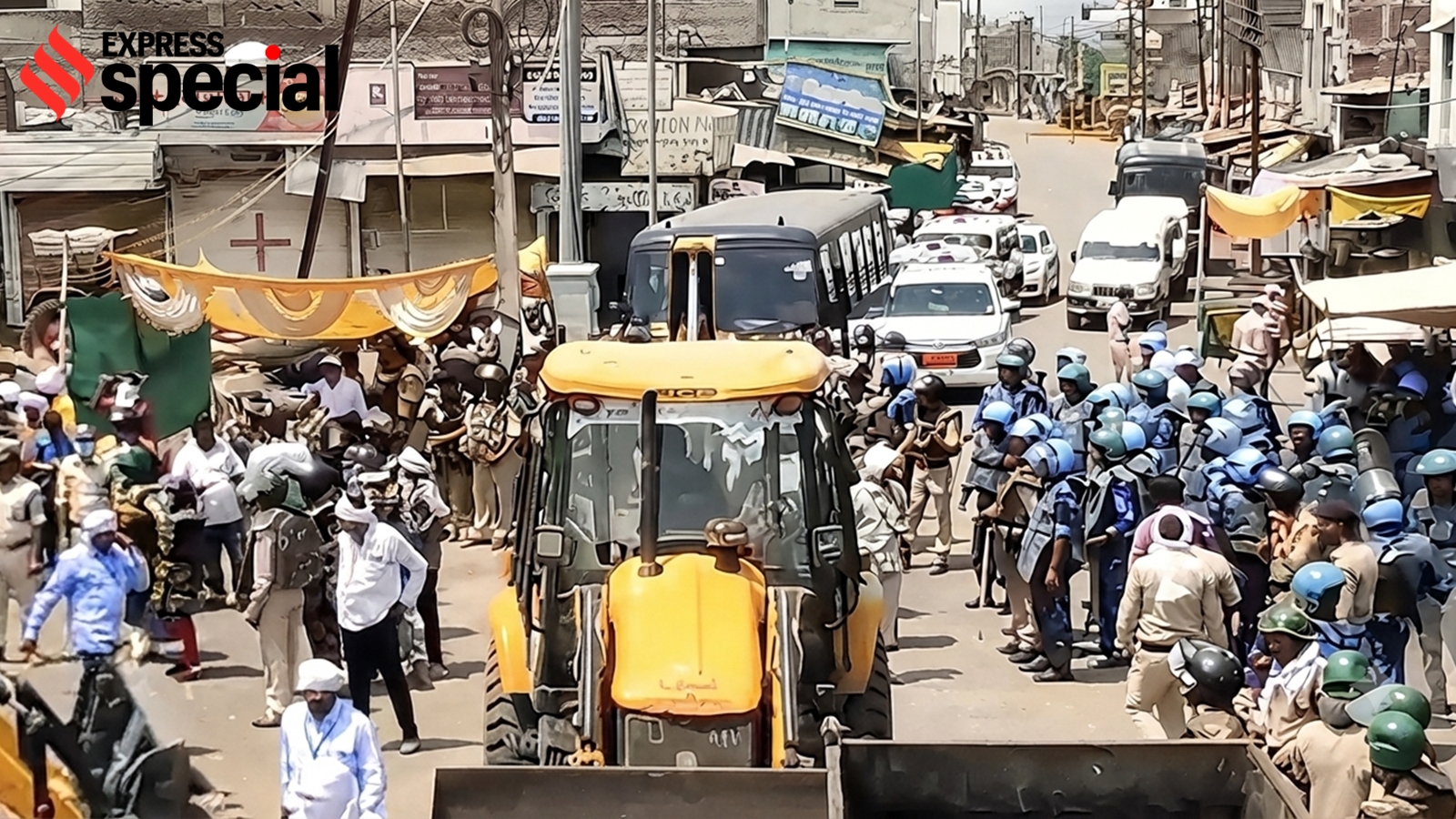
In the aftermath of clashes in Khargone, 16 houses were demolished by the administration in affected localities, tied to irregularities, and 65 cases were registered. The chief minister at the time, Shivraj Chouhan, stated that rioters would not be released and would face strict action. Four years later, investigations show that the cases are collapsing or stuck. The only three riot cases that completed trial ended in acquittals, including one whose order was issued on July 27. The Khargone police report four cases closed for lack of evidence after failing to trace the accused, while about 38 FIRs remain under investigation with roughly 85 accused yet to be identified. Twenty cases are at the stage of prosecution evidence, with witnesses examined. In acquitted cases in Sessions Courts, judges faulted the prosecution for failing to prove who committed the crimes, questioned how accused persons were implicated, and noted that the forensic evidence contradicted claims of petrol-bomb use. A house belonging to Hasina Fakhroo, built under PMAY (Urban), was demolished.
The first acquittal, on June 13, 2025, concerned a fire at the ancestral home of Mahesh and Vijayalakshmi Mahajan in Bhatwadi Mohalla, where the prosecution had alleged conspirators including Soaib, Wasim, Salim Khan (deceased), and a juvenile set the blaze with a petrol bomb, estimated damages at Rs 90,000. Fourteen witnesses were examined, but none testified that the accused participated in the riots or the incident. The judge highlighted gaps in the investigation: the officer said the accused were arrested on the basis of available evidence, yet the FIR initially described the accused as unknown; there were questions about how the number of accused grew; the electronic record presented as evidence was not authenticated, not tested in court, and the producer could not substantiate its authenticity. A pen drive claimed to contain footage was admitted but not played, and its relevance was undermined by testimony that did not identify the accused. A set of photographs also faced similar issues due to lack of proper Section 65B certification.
The prosecution indicated it would review the acquittals before deciding on appeals. The article notes the broader pattern of weak or incomplete prosecution cases and contested evidentiary standards across Khargone investigations.
Why It Matters
The Khargone episodes illustrate how investigative and evidentiary gaps can undermine prosecutions in riot-related cases, resulting in acquittals and stalled justice. The sequence of acquittals and the admission by the prosecution of slow progress suggest structural challenges in gathering and presenting admissible evidence in court, potentially affecting public faith in post-riot accountability and policy responses at the state level.
Background
The clashes occurred in Khargone and led to the razing of houses and registration of numerous cases. The then-chief minister pledged strict action against rioters. Over time, many cases have faltered, with only a handful proceeding to trial and few reaching successful convictions.
Key Facts
- 16 houses were razed by the administration after the clashes.
- 65 cases were registered in the aftermath.
- The chief minister at the time promised no mercy for rioters.
- Four years later, three riot cases completed trials, all resulting in acquittals.
- The July 27 acquittal is mentioned as part of the set of completed trials.
- Four cases closed for lack of evidence after the police failed to trace the accused; about 38 FIRs remain under investigation; roughly 85 accused have not been identified.
- Twenty cases are at the stage of prosecution evidence with witnesses examined.
- The June 13, 2025 acquittal concerned the arson of a family home in Bhatwadi Mohalla; the prosecution alleged conspirators and a petrol bomb, with damages estimated at Rs 90,000.
- In the acquittal, witnesses did not testify that the accused participated; the investigation was criticized for gaps, including how accused numbers increased and lack of certification for electronic evidence (Section 65B).
- A pen drive claimed to contain footage was not played in court; the producer did not testify about identifying the accused; no Section 65B certificate authenticated the recording.
- A house belonging to Hasina Fakhroo, built under PMAY (Urban), was demolished.
What Happens Next
Prosecution officials said they would review the judgment before deciding on any appeals. The article notes ongoing investigations and the possibility of further proceedings depending on future court orders and evidentiary developments.
Sources reviewed
Project Chintan independently synthesized and analyzed information cross-checked across the sources listed above.
Related stories

Supreme Court rules police cannot independently investigate illegal prenatal sex selection offences

Supreme Court orders Tarun Tejpal to surrender within two weeks
Two terror associates arrested in Pulwama forest, arms recovered
