
Court frees 7 booked for protest against Pakistan, rejects mere post office framing
A Jammu court discharged seven men who were booked for rioting and mischief after a pro-Pakistan protest in 2019. The judge said evidence did not show they shared a common unlawful object with the mob.
Key takeaways
- Jammu court discharged seven individuals accused of rioting, unlawful assembly, and mischief tied to a 2019 protest.
- The court ruled that membership in a mob is not enough to prove shared unlawful intent under Section 149 RPC.
- Evidence such as witness statements and cell-tower data alone was deemed insufficient to link the seven to arson.
What Happened
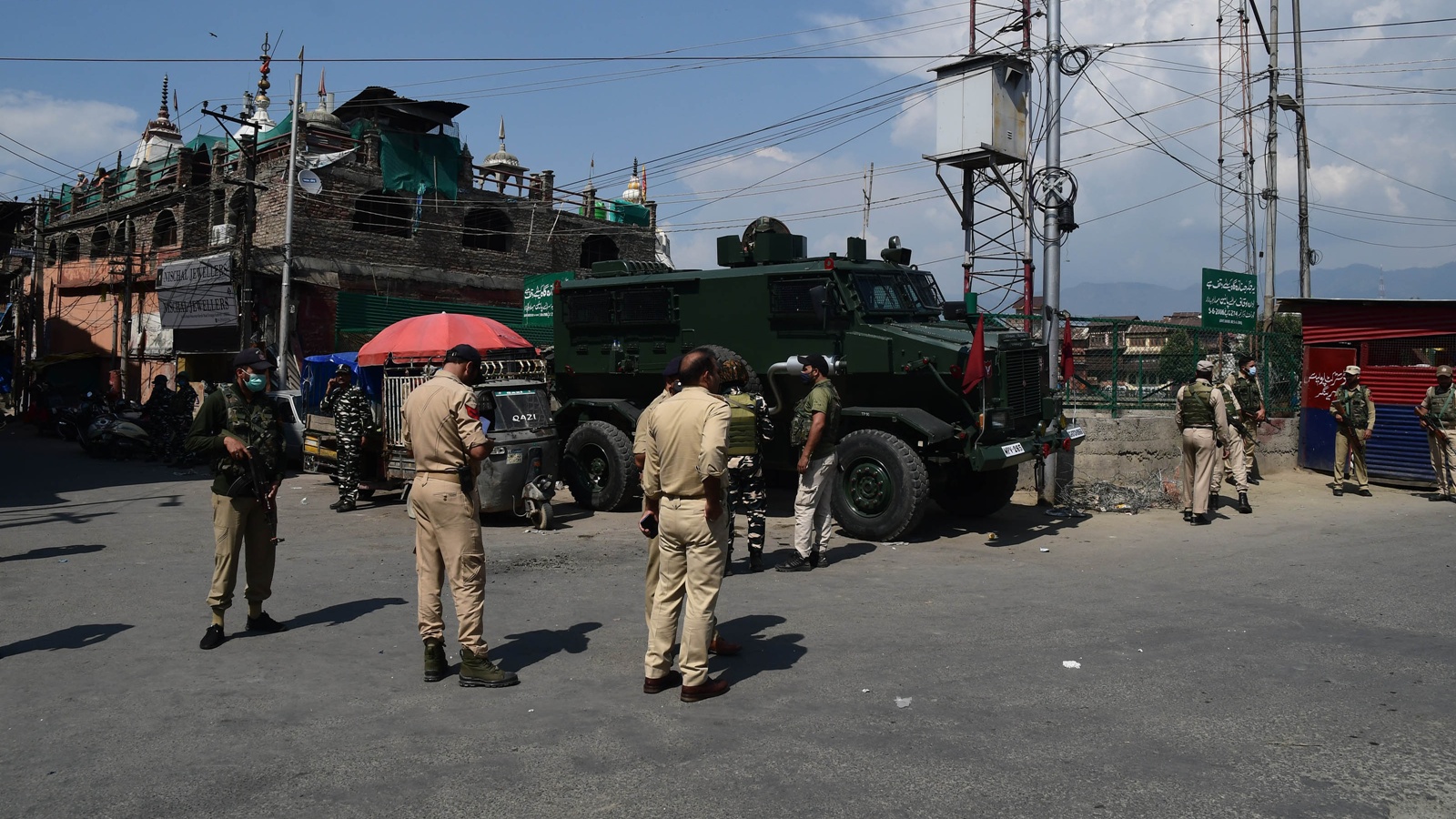
The Jammu City Police registered an FIR alleging that a crowd of about 600–700 people conducted a procession in Jammu to protest Pakistan over the 2019 Pulwama attack, during which vehicles were damaged and six were set on fire. Seven men were later discharged after the court ruled that simply belonging to a large mob could not be equated with sharing a common unlawful objective. The judge noted that identifying individuals by witness statements and mobile tower data is not enough to pin responsibility for an arson in the absence of direct evidence of their specific participation or intent.
Why It Matters
The court emphasized that a conviction under the relevant law requires proof that the accused had a shared unlawful objective, not merely membership in a larger gathering. This ruling highlights the judiciary’s approach to avoid treating every participant in a mob as automatically liable for actions committed by others in the same crowd.
Background
The protest occurred in the wake of the 2019 Pulwama terrorist attack, which killed 40 security personnel. Police had identified the seven individuals as part of the broader unlawful assembly pursuing a common objective, leading to charges of rioting, unlawful assembly, and mischief under the Ranbir Penal Code. The court’s decision references the method used to establish identity—witness statements and cell phone tower data—but underscored that such evidence alone cannot establish shared culpability for the alleged arson.
Key Facts
- Around 600–700 people took part in a Jammu protest against Pakistan in response to the 2019 Pulwama attack.
- The FIR filed with Jammu City Police Station described property damage to vehicles and arson by the mob.
- Seven men—Rohit Sharma, Kailash Kumar, Manat Kumar, Sajan Kumar, Sukhdev Singh alias Rinku, Sahil Sharma, and Jagdish Kumar—were discharged by the court.
- The charges initially included rioting, unlawful assembly, and mischief under the Ranbir Penal Code.
- The court stated that proving a shared common objective is necessary to hold individuals liable under Section 149 RPC, beyond mere association with a mob.
- Cell-phone tower location data and witness statements were used in the investigation to identify accused individuals, but the court found this insufficient to establish their participation in arson.
- The judge asserted the court must exercise its judicial mind and not act as a conduit to frame charges at the prosecution’s request.
What Happens Next
The decision indicates that the listed individuals will not face trial on these charges based on the court’s assessment of the evidence presented at the challan stage. The ruling clarifies the standard for linking mob participation to specific criminal acts in this case, potentially influencing how similar charges are pursued in future protests.
Sources reviewed
Project Chintan independently synthesized and analyzed information cross-checked across the sources listed above.
Related stories
Influencer Swatantra Bhardwaj detained over alleged attack on CJP protester’s father
Congress to protest FIR against Rahul over Haldwani remarks

Supreme Court rules police cannot independently investigate illegal prenatal sex selection offences
