Jaishankar assures Bihar over Farakka water pact renewal
India’s external affairs minister responded to Bihar concerns on the Ganga water-sharing treaty with Bangladesh, signaling that the government will take an appropriate decision after inter-ministerial discussions and stakeholder input. The conversation followed a Rajya Sabha mention by Sanjay Kumar
Key takeaways
- External Affairs Minister S. Jaishankar acknowledged Bihar’s water concerns in the renewal of the Ganga water-sharing treaty with Bangladesh.
- Inter-ministerial discussions led by the Jal Shakti Ministry, with Bihar's authorised representation in past consultations, will inform the final decision.
- The 1996 treaty, covering dry-season flow at the Farakka barrage, is expiring this year and requires renewed arrangements.
What Happened
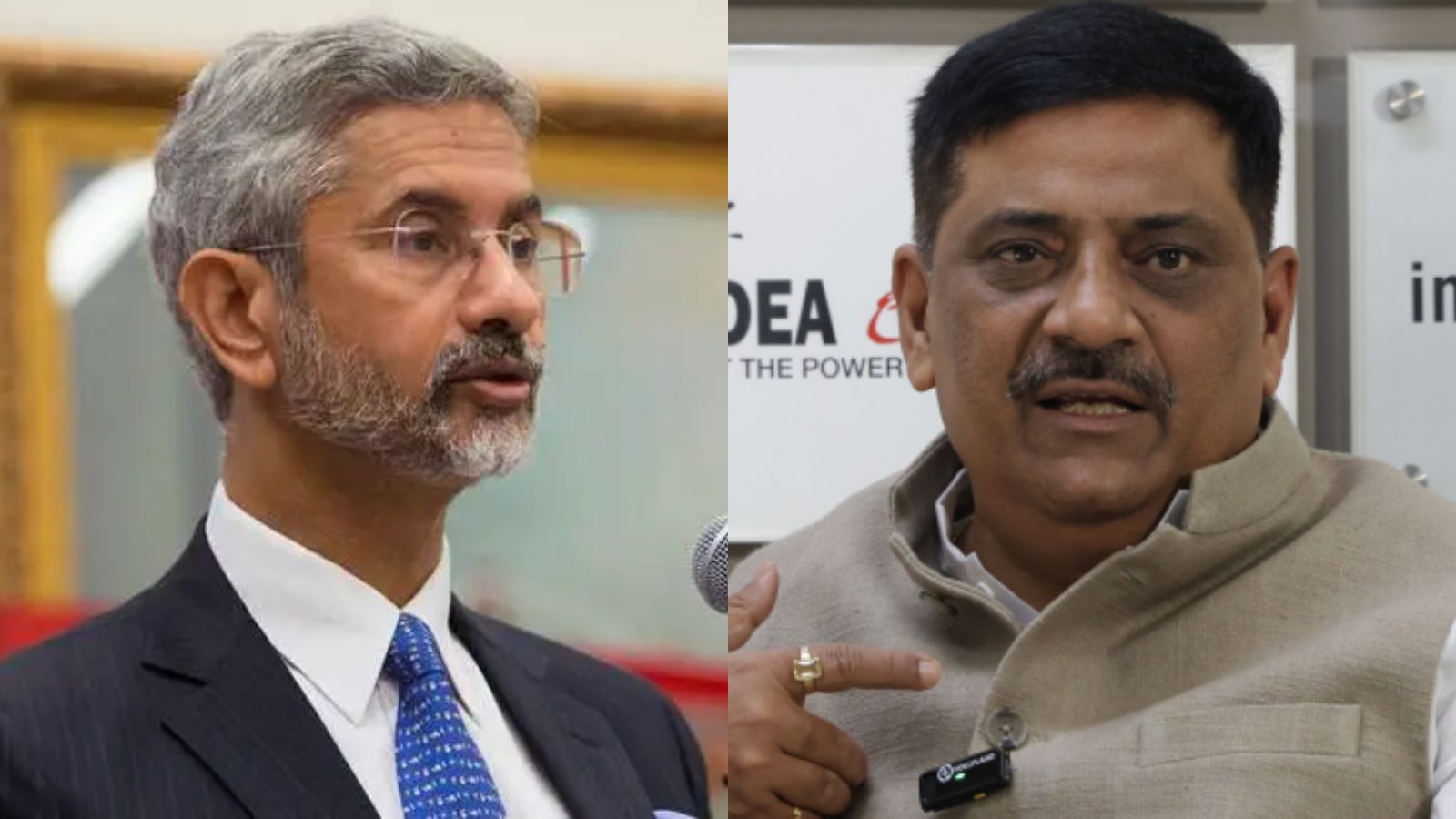
In New Delhi, External Affairs Minister S. Jaishankar replied to Sanjay Kumar Jha, a Rajya Sabha member and national working president of the Janata Dal United (JDU), regarding the renewal of the Ganga water-sharing treaty between India and Bangladesh. Jha had raised concerns about protecting Bihar’s water interests, particularly for drinking, irrigation, and industrial use. Jaishankar’s letter, dated August 28, indicated that inter-ministerial discussions were conducted under the leadership of the Ministry of Jal Shakti, with involvement from various stakeholders, to review the treaty’s implementation and future. An authorised representative from the Bihar government participated in consultations on 22 August 2023, 30 October 2023, 15 March 2024, and 31 May 2024, during which Bihar’s water needs were considered. The government conveyed that it would take an appropriate decision in light of these factors.
The 30-year Ganga water-sharing agreement, signed on December 12, 1996, governs the dry-season flow at the Farakka barrage and is set to expire this year. Jha praised the letter as a recognition of Bihar’s interests and urged that any decision reflect the scientifically established share for Bihar to prevent shortages in drinking water, irrigation, and industrial supply for the next 30 years.
Why It Matters
The case centers on how a major cross-border water treaty will balance regional needs with broader bilateral considerations. Bihar’s representatives frame the renewal as essential to ensure reliable water access for households, agriculture, and industry, highlighting the potential regional impact if allocations are not aligned with scientific assessments. The government’s stated approach—review through inter-ministerial discussions and stakeholder input—signals a process aimed at balancing competing demands while addressing Bihar’s concerns.
Background
The Farakka-related agreement, reached in 1996, governs the distribution of Ganga riverwater during dry periods. The current term is due to end within the year, prompting renewed dialogue about future arrangements with Bangladesh. Previous engagement involved Bihar’s participation via an authorised government representative in several deliberation sessions spanning 2023 and 2024.
Key Facts
- The Ganga water-sharing treaty between India and Bangladesh was signed on December 12, 1996.
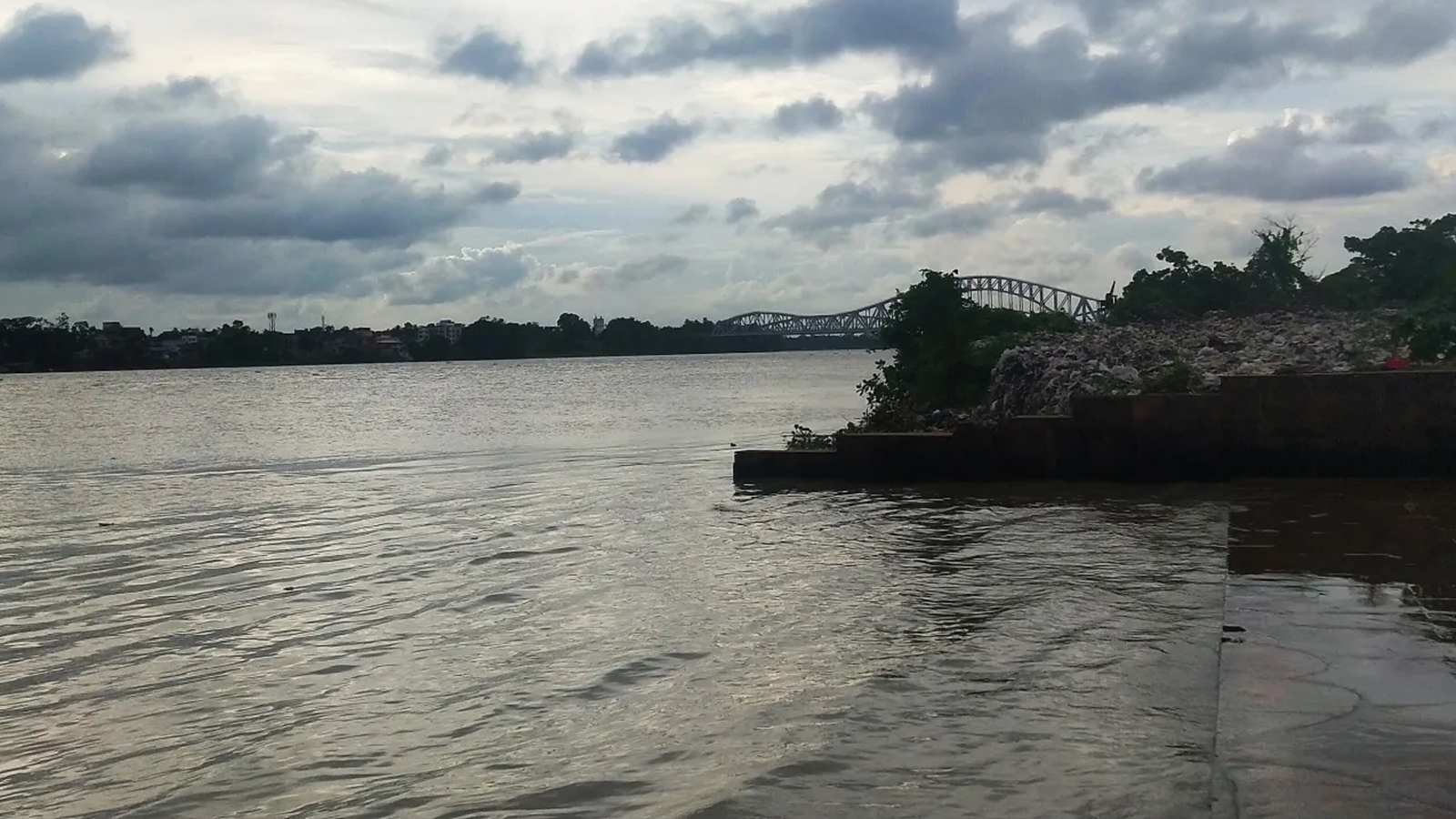
- The treaty governs dry-season water flow at the Farakka barrage.
- The agreement’s 30-year term expires in the year of discussion (2026).
- Inter-ministerial discussions were led by the Ministry of Jal Shakti to review the treaty and its future.
- A Bihar government authorised representative participated in four consultations in 2023–2024: 22 August 2023, 30 October 2023, 15 March 2024, and 31 May 2024.
- Jaishankar wrote a letter dated August 28 acknowledging concerns and indicating an appropriate decision would be taken after considering Bihar’s water needs.
- Sanjay Kumar Jha is a Rajya Sabha member and JDU national working president who pressed for Bihar’s water interests in the renewal.
What Happens Next
The government has stated it will take an appropriate decision after examining the inputs from inter-ministerial talks and stakeholder consultations, with awareness of Bihar’s needs for drinking, irrigation, and industrial uses. No specific timeline for a final decision is provided in the available material.
Sources reviewed
Project Chintan independently synthesized and analyzed information cross-checked across the sources listed above.
Related stories

Inflows rise in Nagavali, Vamsadhara as monsoon rains aid water supply
Bihar pushes to scrap Farakka treaty as Centre faces bind

DMK revamp: Stalin pledges tough changes for party health