Bihar pushes to scrap Farakka treaty as Centre faces bind
Bihar leaders push against renewing the 1996 India-Bangladesh Ganges Water Sharing Treaty (Farakka), arguing it harms Bihar with floods and silt. The Centre faces pressure from NDA partners to address Bihar's concerns as the treaty nears expiry in December 2026.
Key takeaways
- The Farakka Treaty regulates Ganga water sharing at Farakka Barrage and expires in December 2026.
- Bihar officials claim the treaty has harmed the state through floods and silt buildup and call for renewed consideration.
- JD(U) leaders have urged the Centre not to renew the pact and to prioritize Bihar’s 2050 water needs with a National Silt Policy.
What Happened
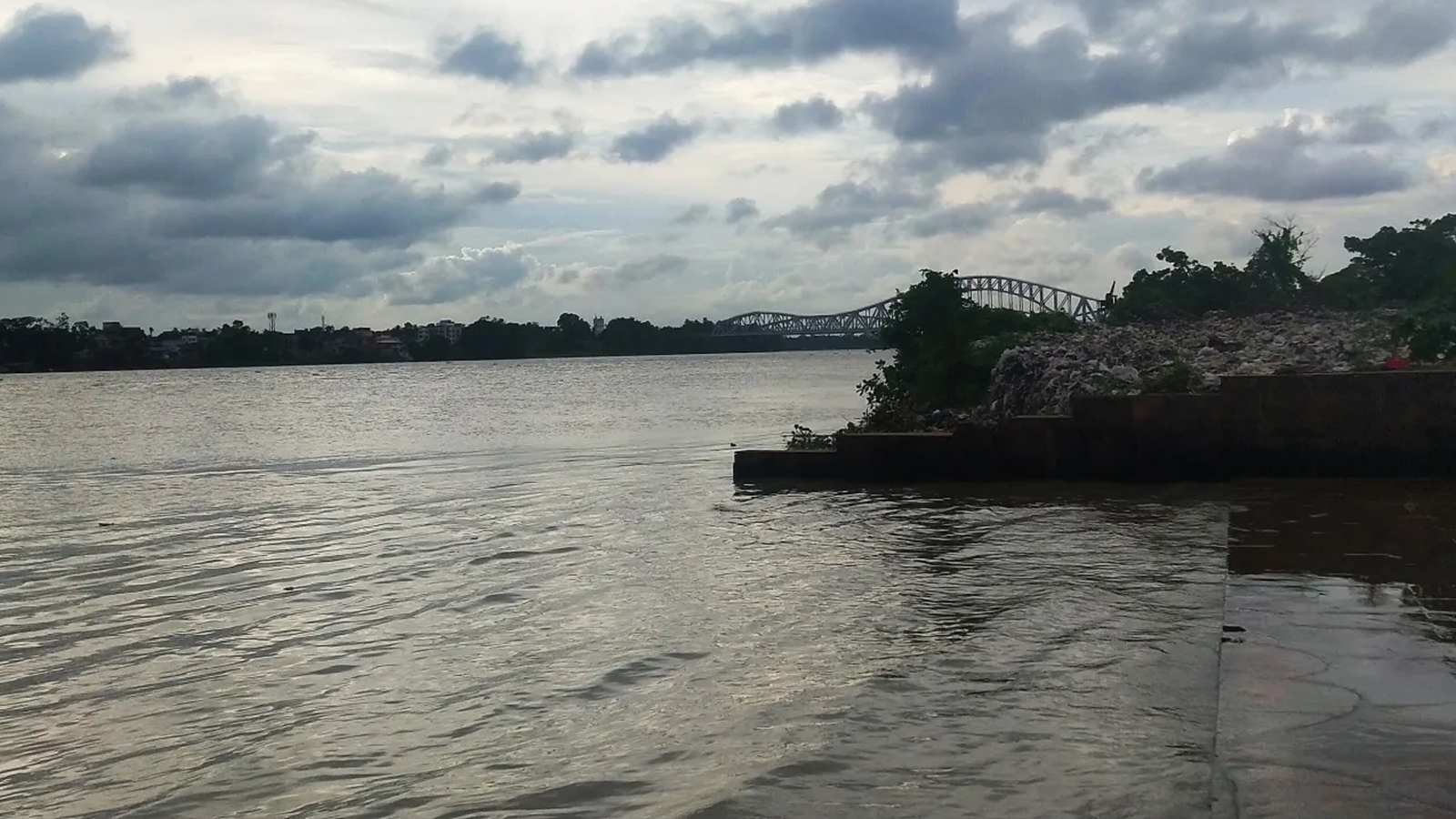
The Farakka Water Treaty, officially the Ganges Water Sharing Treaty, is a bilateral agreement between India and Bangladesh signed on December 12, 1996. It governs the sharing of Ganga waters at the Farakka Barrage in West Bengal primarily during January 1 to May 31. The treaty sets a 30-year framework running 1996–2026 and expires in December 2026. The barrage was constructed in 1975 to divert water into the Hooghly River to keep Kolkata Port navigable, a move that reduced downstream flow to Bangladesh and caused water shortages, higher soil salinity, and ecological stress in southern Bangladesh. The 1996 pact does not include a minimum flow guarantee clause; if total flow drops significantly, the mechanism is emergency consultations rather than a guaranteed allocation.
In Bihar, officials have long raised concerns about the barrage’s impact. They describe a flood-and-parch dynamic upstream, with heavy silt behind the barrage increasing the riverbed’s height and reducing natural water storage. State leaders say this contributes to seasonal floods in districts such as Bhagalpur and Munger during the monsoon. Bihar’s Deputy Chief Minister Vijay Kumar Choudhary, who oversees water resources, participated in a Delhi meeting with External Affairs Minister S. Jaishankar and stated that Bihar’s concerns about the treaty had been raised and acknowledged. JD(U) national working president Sanjay Kumar Jha has publicly urged the Centre not to renew the pact, arguing that Bihar’s water needs through 2050 should be prioritized and that any future agreement should include a National Silt Management Policy and direct state representation.
The political dynamic in Bihar is shaped by the NDA coalition partner JD(U)’s push against renewal, a development described as potentially placing the Centre in a difficult position as expiry approaches.
Why It Matters
The dispute centers on how cross-border river management affects Bihar’s water security, flood control, and industrial planning amid ongoing development. If the treaty is not renewed or is renegotiated with new terms, Bihar’s ability to secure water during peak demand periods could be affected, especially in the summer when Bihar seeks water for domestic and agricultural use. The debate also raises questions about who will manage silt and sediment upstream and how regional representations shape national diplomacy with Bangladesh.
Background
The Farakka Barrage project and the 1996 treaty were designed to regulate Ganga flows to support navigation and downstream water distribution. The barrage construction preceded the treaty by a decade, and the 1996 agreement replaced earlier short-term arrangements. Over time, Bihar has argued that the absence of a minimum flow guarantee and the silt buildup behind the barrage have altered the river’s behaviour upstream, contributing to floods and reduced water storage capacity in the state.
Key Facts
- The treaty is officially the Ganges Water Sharing Treaty and was signed on December 12, 1996, between India and Bangladesh.
- It governs sharing of Ganga waters at the Farakka Barrage, mainly during the dry season (January 1–May 31).
- The agreement creates a 30-year framework ending in 2026 and expires in December of that year.
- The 1996 treaty does not include a minimum flow guarantee clause; drastic flow reductions trigger emergency consultations rather than guaranteed allocations.
- The Farakka Barrage was built in 1975 to divert water into the Hooghly River to keep Kolkata Port navigable, reducing downstream flow to Bangladesh and causing water shortages, salinity, and ecological stress there.
- Bihar officials, including Deputy Chief Minister Vijay Kumar Choudhary, say the treaty has harmed Bihar and that concern has been raised with the Centre during recent discussions in Delhi with External Affairs Minister S. Jaishankar.
- JD(U) leader Sanjay Kumar Jha urged the Centre not to renew the pact, calling for Bihar’s 2050 water needs to be prioritized and for a National Silt Management Policy with state representation.
- The debate in Bihar is occurring as the NDA coalition partner faces mounting domestic pressure ahead of the treaty’s expiry.
What Happens Next
The article notes that Bihar’s concerns have been conveyed to the Centre and acknowledged by the external affairs leadership, while calls to not renew the treaty have been made by political figures within Bihar. No official renewal decision or new terms are documented in the source material, and the timeline beyond December 2026 remains unsettled in the published reporting.
Sources reviewed
Project Chintan independently synthesized and analyzed information cross-checked across the sources listed above.
Related stories

Panel chief says simultaneous polls possible in 2029
Hyderabad traffic diversions around Darussalam for Milad-un-Nabi Jalsa

N-Gen post offices to offer easy digital services, says Joshi