Indonesia Rebrands Waste Sorters as Green-Collar Workers with Social Security Subsidies
The Indonesian government has officially recognized informal waste scavengers as professional waste sorters, granting them formal status as green-collar workers. This initiative includes a 50 percent reduction in social security premiums to protect workers from occupational health and safety risks.
Key takeaways
- Indonesia has officially rebranded informal waste collectors as professional 'waste sorters' or 'green-collar workers.'
- Government subsidies have halved the cost of monthly social security premiums for the informal waste sector to Rp8,400.
- The initiative aims to provide dignity and occupational health protection to the vanguard of the circular economy.
- The policy was launched at the Rorotan Refuse Derived Fuel facility in North Jakarta with support from multiple ministries.
What Happened
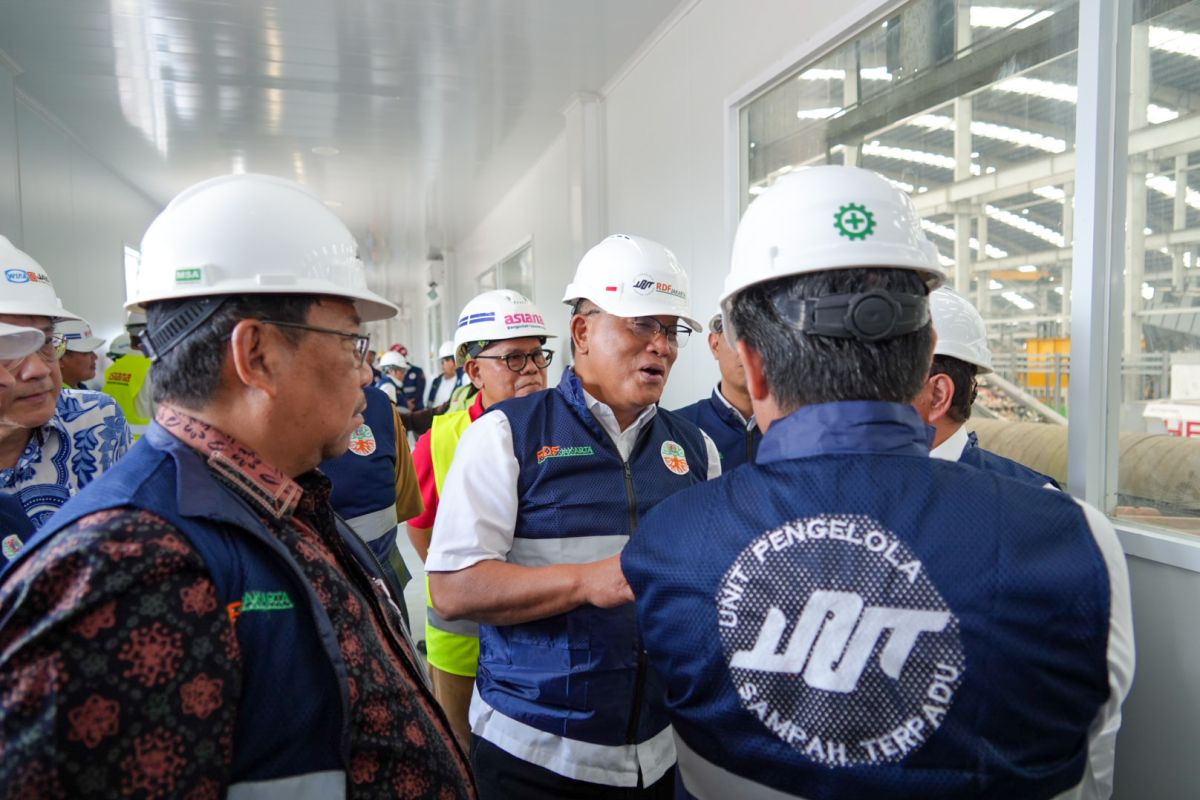
In a formal shift in national policy, Indonesia has transitioned from labeling informal waste collectors as scavengers to recognizing them as 'waste sorters' or 'green-collar workers.' Minister of Environment Mohammad Jumhur Hidayat launched the initiative on October 8, 2026, at the Refuse Derived Fuel facility in Rorotan, North Jakarta. The program aims to remove social stigma and provide state-backed protection to the workers managing the country's circular economy.
As part of this transition, the Ministry of Manpower and BPJS Employment have introduced a financial support mechanism for informal workers. Eligible waste sorters now receive a 50 percent discount on premiums for Work Accident Security (JKK) and Death Security (JKM). This subsidy reduces the monthly cost for these essential safety nets from Rp16,800 (US$0.92) to Rp8,400 (US$0.46).
Why It Matters
Waste sorters provide the primary labor for Indonesia's recycling industry, acting as the first line of defense before waste reaches processing plants. By formalizing their status, the government acknowledges their role in reducing pressure on final disposal sites (TPAs) and increasing national recycling rates. The new social protection measures address high-risk conditions, including daily exposure to disease, physical accidents, and economic instability.
Key Facts
- Informal waste collectors are now officially designated as Green-Collar Workers or waste sorters.
- Social security premiums for Work Accident and Death Security have been halved to Rp8,400 per month.
- The policy is supported by the Ministry of Environment, the Ministry of Manpower, and the DKI Jakarta provincial government.
- Waste sorters are recognized as essential suppliers of raw materials for the national recycling industry.
Sources reviewed
Project Chintan independently synthesized and analyzed information cross-checked across the sources listed above.
Related stories

India Eases Ganga Flood Plain Construction Rules

Cholesterol Treatment Shows Promise in Removing 'Forever Chemicals' and Microplastics
Saudi Arabia Coordinates Regional Land Restoration Projects Ahead of 2026 Climate Summit