
India Eases Ganga Flood Plain Construction Rules
The Union government has revised rules for construction along the Ganga flood plain. The amendments introduce a stratified definition of flood plain zones and remove a blanket ban on building in these areas, replacing it with a regulated approval-based system.
Key takeaways
- India has eased construction restrictions in Ganga flood plains.
- A blanket ban on building in flood plains has been replaced with a regulated approval process.
- New rules define flood plain zones based on flood frequency, limiting strict prohibitions to the 'active flood plain'.
- Construction in 'regulatory' and 'warning' zones now requires official clearance.
- The government states the changes aim to correct legal inconsistencies without diluting standards.
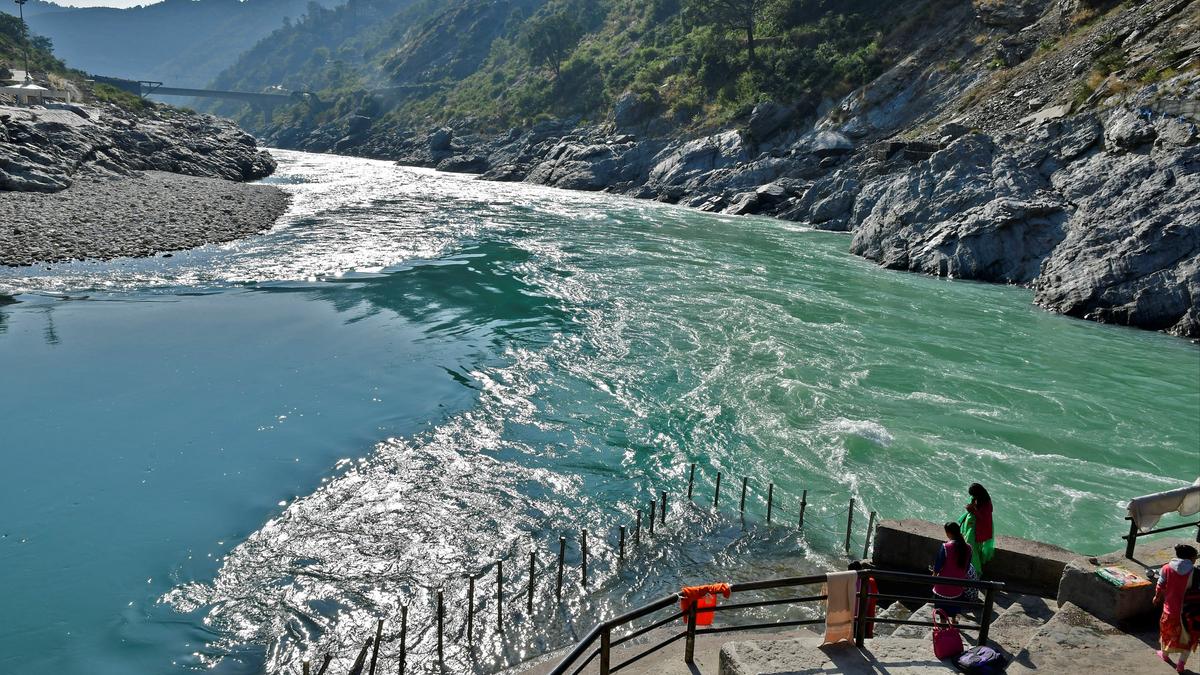
The Union government has relaxed restrictions on construction within the Ganga river's flood plain, enabling development in areas subject to moderate or infrequent flooding. This change was enacted through a gazette order on August 10, issued by the National Mission for Clean Ganga (NMCG), an entity under the Jal Shakti Ministry.
What Happened
Previous legislation, the River Ganga (Rejuvenation, Protection and Management) Authorities Order, 2016, had designated the Ganga flood plain as a "construction free Zone" to mitigate pollution and preserve groundwater recharge. This order banned construction in the "active flood plain" without providing a clear definition for it.
The August 10 amendment revises this by removing the outright prohibition on construction. It also introduces a stratified definition of flood plain zones based on flood frequency: an 'active flood plain' (submerging at least every five years), a 'regulatory zone' (flooding every five to 25 years), and a 'warning zone' (flooding during severe 25- to 100-year events).
Under the new rules, strict prohibitions on construction are now limited exclusively to the 'active flood plain', with minor exceptions for temporary structures like those for religious events. Construction in the 'regulatory' and 'warning' zones is permissible following official approval. Any proposed project in these areas requires prior clearance from the NMCG and regional authorities, along with adherence to environmental safeguards.
Why It Matters
A senior government official stated that the amendments aim to resolve an inconsistency in the previous law, which lacked a definition for the 'active flood plain'. The Central Water Commission provided guidelines in July 2025 defining various flood plain zones. This revision aims to align the notification with these guidelines and facilitate a more structured approach to development along the river.
The relaxation of rules comes amid ongoing legal challenges. Several petitions have been filed with the National Green Tribunal (NGT) against construction projects along the Ganga and its tributaries, with petitioners frequently citing the previous "construction-free zone" mandate.
Key Facts
- The Union government eased restrictions on construction along the Ganga flood plain this week.
- The changes were made via an August 10 gazette order from the National Mission for Clean Ganga (NMCG).
- The 2016 legislation had designated the Ganga flood plain as a "construction free Zone."
- The amendment removes the blanket "no construction" clause.
- A new stratified definition of flood plain zones based on flood frequency has been adopted.
- Construction is now prohibited only in the 'active flood plain' (floods at least every five years).
- Construction in 'regulatory' and 'warning' zones requires NMCG and regional authority approval.
- A senior government official described the change as correcting a legal inconsistency, not diluting standards.
Sources reviewed
Project Chintan independently synthesized and analyzed information cross-checked across the sources listed above.
Related stories
Ram Temple Trust Questions Candidates on Religious Practices for CEO Role
New Forest Wildfire Continues to Burn Amid Hottest Summer Forecast
