Indians stranded on Rasuwa route to Kailash Mansarovar: why travellers prefer it
A Nepal flash flood near Rasuwagadhi left many Kailash Mansarovar pilgrims unaccounted, including Indians. The route through Rasuwa remains popular due to fewer formal limits and broader availability through private operators, despite risks highlighted by the disaster.
Key takeaways
- Rasuwagadhi border flooding left hundreds unaccounted for, including 137 Indians.
- Record numbers of Kailash Mansarovar pilgrims used the Rasuwa route this year, surpassing 13,500.
- Private Nepal routes lack a formal cap and are booked through tour operators, unlike official MEA routes with lottery-based limits.
What Happened
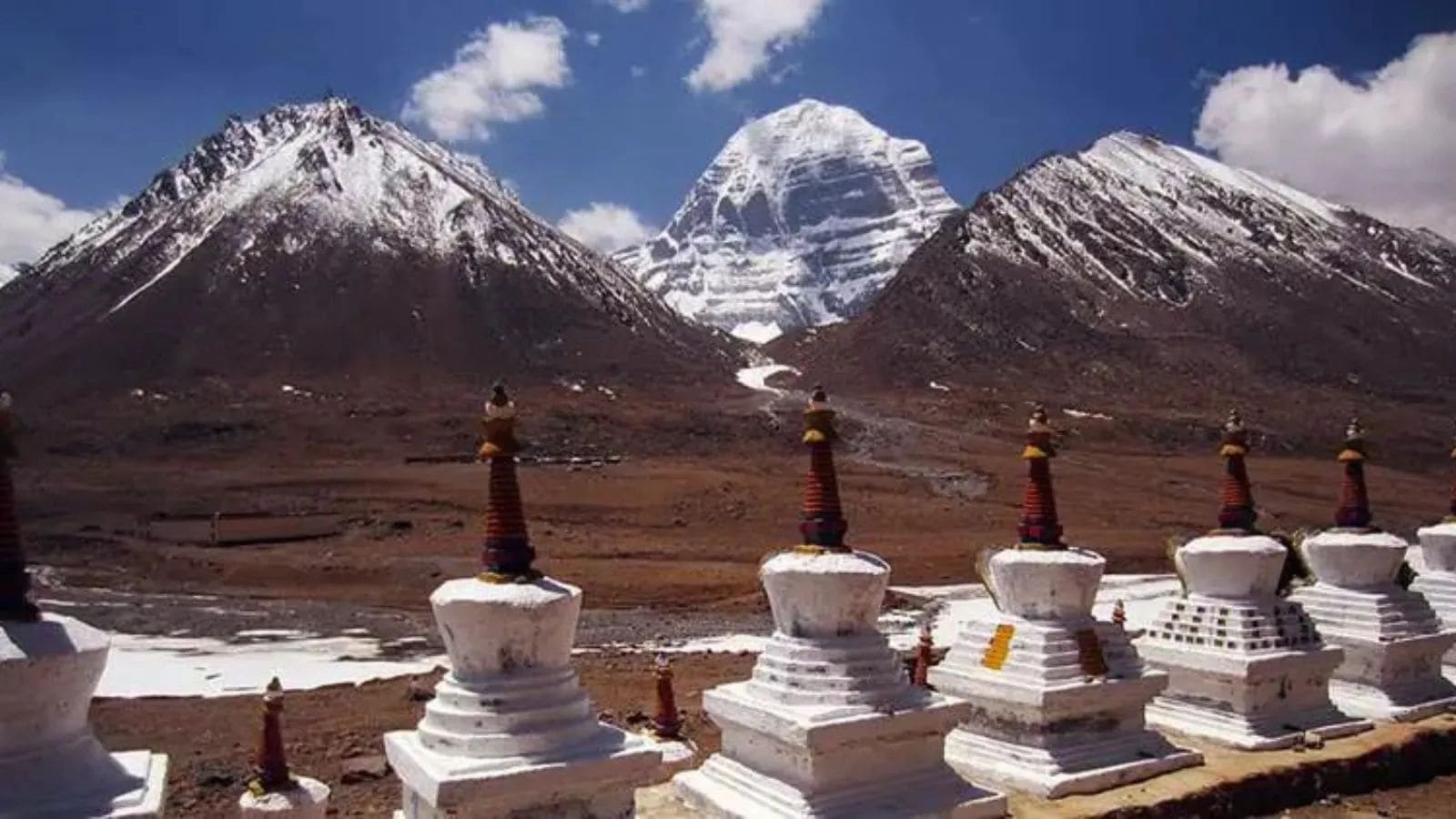
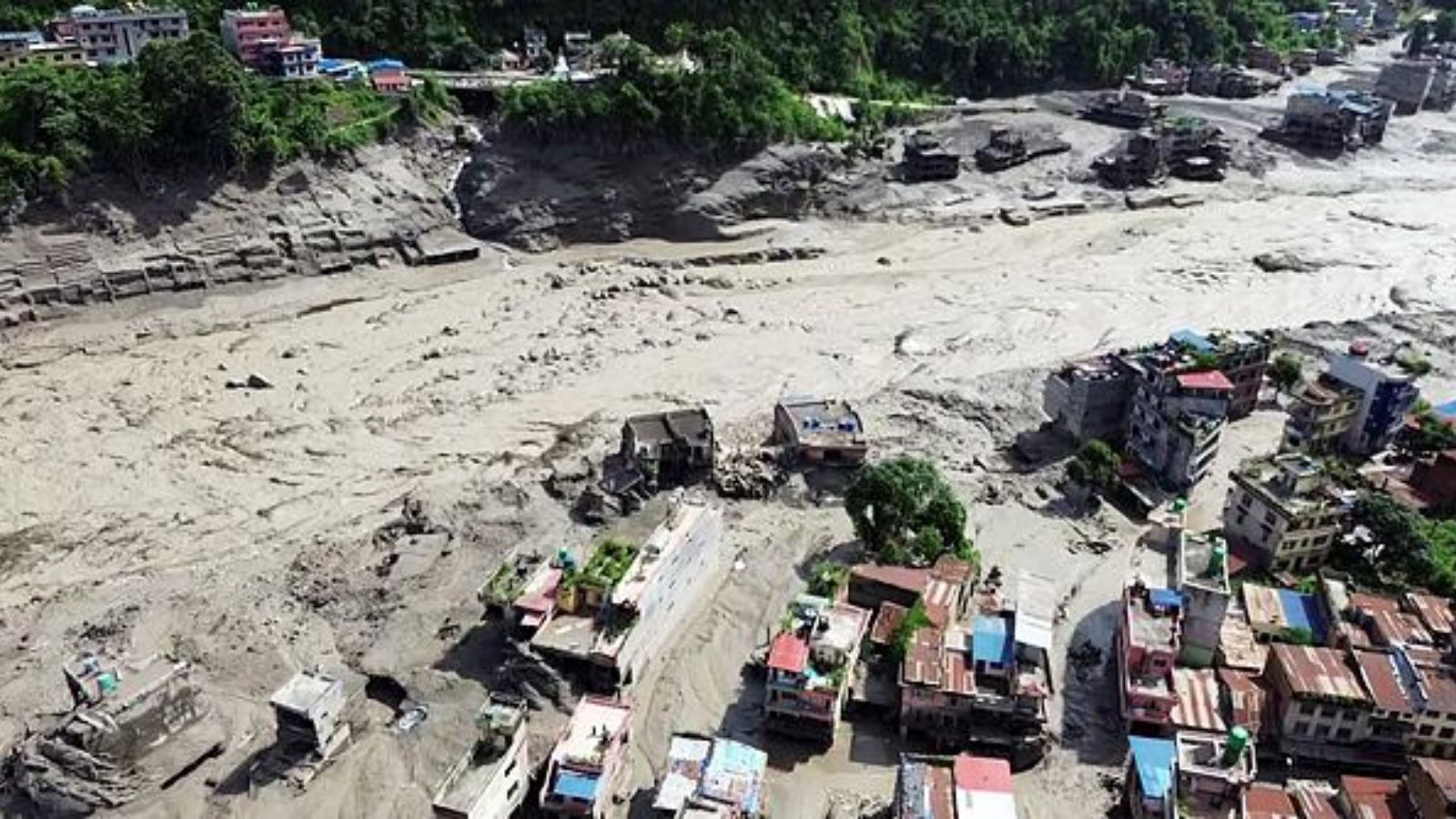
A devastating flood in Nepal's Rasuwa district affected the Rasuwagadhi border crossing, disrupting travel for groups heading to Kailash Mansarovar. Officials say hundreds remain unaccounted for more than a day after the event, including a notable share of Indian pilgrims. The disruption centers on the border village of Rasuwagadhi, which connects Nepal to Tibet and serves as a key entry point for overland travel to Kailash Mansarovar.
Alongside the incident, authorities reported that a record number of pilgrims used the private Nepal routes to Kailash Mansarovar this year, with the Rasuwa corridor accounting for more than 13,500 travelers, making it the more popular option compared with the higher-cost Humla route. The private routes operate with tour groups arranged by agents, who secure Tibet group visas directly with Chinese authorities.
The MEA runs two official pilgrimage routes: Lipulekh Pass (Uttarakhand) and Nathu La Pass (Sikkim), each with its own duration and cost. These state-supported routes limit annual pilgrim numbers through a lottery system, which contrasts with the private Nepal routes that lack a cap and can be booked in advance.
Why Tourists Prefer this Route
Two main private Nepal routes to Kailash Mansarovar through the Kathmandu region have gained traction. One overland path travels via Gyirong Port and Rasuwa, while the other uses a helicopter link through Hilsa. The overland option generally takes about 10–14 days, depending on the travel plan, whereas the helicopter option covers the route in roughly 5–11 days. Costs for private itineraries start well above standard MEA packages, with the higher end reflecting service levels and included permits.
Private pilgrims typically begin in Kathmandu, proceed to the border area through Rasuwa, and cross into Gyirong Port in Tibet. A central operational detail for these travelers is that pre-processed Chinese group visas and Tibet travel permits are needed before crossing, and the waiting period for these documents is often completed before border crossing, with some time spent in Kathmandu awaiting paperwork. The average private package price is influenced by the chosen mode (overland vs. helicopter) and the facilities included.
Background
Meantime, official channels reserve Kailash Mansarovar access through two routes with limited annual capacity. Private operators in Nepal have emerged as an alternative, booking groups with the relevant Chinese authorities and offering travel without a formal cap, which has contributed to the rising popularity of the Nepal corridor in recent years. The Nepal-based routes connect Kathmandu with Tibetan entry points and proceed toward Darchen, the Kailash starting point for the pilgrimage.
Key Facts
- Floods hit Rasuwagadhi border crossing in Nepal's Rasuwa district, near the Tibet border.
- More than 24 hours after the disaster, hundreds remain unaccounted for, including 137 Indians, according to latest figures.
- The Rasuwa route to Kailash Mansarovar saw a record number of pilgrims this year, over 13,500, making it the more popular option over the Humla route.
- The MEA's official routes to Kailash Mansarovar are Lipulekh Pass (Uttarakhand) and Nathu La Pass (Sikkim), each with cost and duration constraints and a lottery-based cap for pilgrims.
- Private Nepal routes allow booking without a cap, via groups that obtain Tibet group visas through Chinese authorities.
- The two main private options are an overland route via Gyirong/Rasuwa (10–14 days) and a helicopter route via Hilsa (5–11 days).
- Private packages from Kathmandu can start at prices well above Rs 2–3 lakh, depending on facilities; official MEA routes cost around Rs 2 lakh per person with about 1,000 pilgrims selected annually by lottery.
- Most pilgrims traverse these Nepal routes between May and September each year.
What Happens Next
Authorities and tour operators will likely assess the disaster at Rasuwagadhi and coordinate search and relief for unaccounted individuals. In parallel, stakeholders may review border processing times, visa handling workflows in Kathmandu, and the balance between official routes and private Nepal-based options as travel demand remains high for Kailash Mansarovar.
Sources reviewed
Project Chintan independently synthesized and analyzed information cross-checked across the sources listed above.
Related stories
Nepal flash floods push Bihar on high alert; relief teams on standby

Onam boosts leisure travel as Kerala sees budget pilgrim packages rise
Floodwaters recede slowly as districts report hundreds of villages submerged
