Evolving Crisis in Indian Urban Housing as Affordable Supply Collapses
India's urban centers face a deficit of nearly 10 million affordable homes as developers pivot toward luxury segments. New market data indicates that low-cost units now represent only 15% of new supply, down from 52% in 2018.
Key takeaways
- Affordable housing supply in India’s top eight cities has plummeted from 52% in 2018 to just 15% in 2026.
- Real estate developers have shifted focus toward luxury properties, with units over Rs 1 crore now making up 62% of new market launches.
- Despite government schemes like PMAY-U delivering 9.9 million units in its first phase, the current supply-to-demand ratio has crashed to 0.36.
- Urban India is on track to add only 56,000 affordable units in 2026 against a total deficit of 9.6 million homes.
What Happened
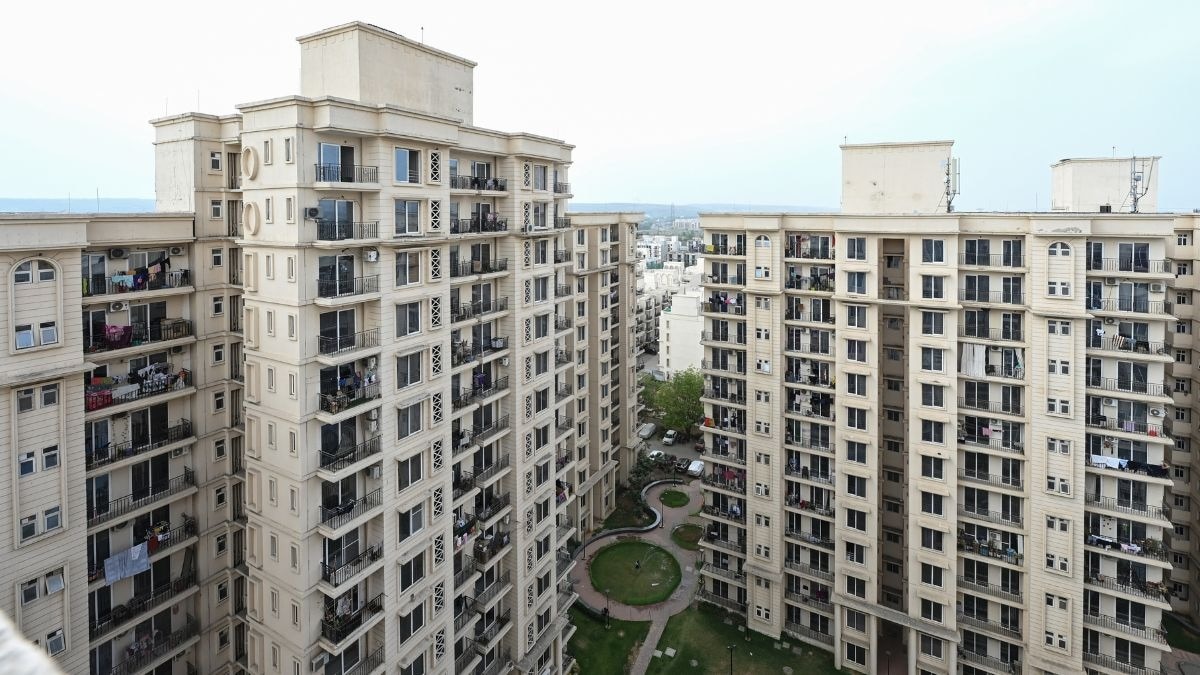
The supply of affordable housing in India's major urban centers has experienced a sharp contraction. According to data from Knight Frank, affordable units—defined by the government as those priced under Rs 45 lakh—accounted for 52 per cent of new residential supply in 2018. By the first half of 2026, this share dropped to 15 per cent. In contrast, residences priced at Rs 1 crore and above now dominate the market, making up over 62 per cent of new launches across eight major cities: Mumbai, Delhi-NCR, Bengaluru, Kolkata, Chennai, Hyderabad, Pune, and Ahmedabad.
Out of 187,350 homes launched in the first six months of 2026, only 28,102 were in the affordable segment. This supply trend persists despite a total shortage of approximately 9.6 million affordable homes across urban India. The country is projected to add only 56,000 affordable units throughout the year, leaving the housing deficit largely unchanged.
Why It Matters
The widening gap between supply and demand suggests a structural shift in the real estate market. The supply-to-demand ratio for affordable housing fell from 1.05 in 2019 to 0.36 in 2025. This scarcity forces low- and middle-income residents to choose between substandard housing in aging buildings, informal settlements like chawls, or moving to city outskirts that require extreme commutes. Even state-led initiatives, such as Maharashtra's Cidco developments in Navi Mumbai, have faced criticism for costs that rival private sector offerings, further limiting options for the urban workforce.
Background
India’s urban population grew by 23 per cent between 2014 and 2024, far outpacing the global average of 8.4 per cent. Currently, 37 per cent of Indians reside in cities, a figure expected to reach 40 per cent by 2030. To address this, the government launched the Pradhan Mantri Awas Yojana-Urban (PMAY-U) in 2015. The first phase delivered 9.9 million homes via interest subsidies before ending in March 2022. While PMAY-U 2.0 has been initiated for the 2024-2029 period, the sharp decline in private sector participation in the sub-Rs 45 lakh category remains a significant hurdle.
Key Facts
- Urban India currently faces a shortage of nearly 10 million affordable homes.
- The definition of affordable housing includes units priced up to Rs 45 lakh with a carpet area of 60 sq. m in metros and 90 sq. m in non-metros.
- Between 2018 and 2026, the market share of homes priced above Rs 1 crore grew from 14 per cent to over 62 per cent.
- World Bank data indicates India's urban population growth rate is nearly three times the global average.
- The UN-Habitat’s World Cities Report 2026 confirms a decline in affordable housing availability across major global and Indian cities.
Sources reviewed
Project Chintan independently synthesized and analyzed information cross-checked across the sources listed above.
Related stories

Ranchi Law Enforcement Mobilizes for Assembly Protest Amid Exam Irregularity Disputes

Indian Student Facing Murder Charges Extradited From Germany After Arizona Death

UP Authorities Detain Four in Bareilly for Non-Vegetarian Food Sales on Pilgrimage Route