
India backs UN map resolution, asserts Jammu and Kashmir and Ladakh remain non-negotiable
New Delhi supported a UN-backed world map initiative that favors equal-area projections while reaffirming that Jammu and Kashmir and Ladakh are sovereign Indian territories. The UN resolution was adopted on September 4, with India voting in favor and stressing that no map or border depiction should
Key takeaways
- India backed a UN resolution promoting equal-area map projections.
- The UN adopted the resolution on September 4 with 164 votes in favor.
- Abstentions were by Estonia, Georgia, Lithuania, Moldova, Serbia and Ukraine; the US opposed.
- India emphasized its sovereignty over Jammu and Kashmir and Ladakh and that maps must reflect its official boundaries.
- The resolution does not endorse any specific map or borders.
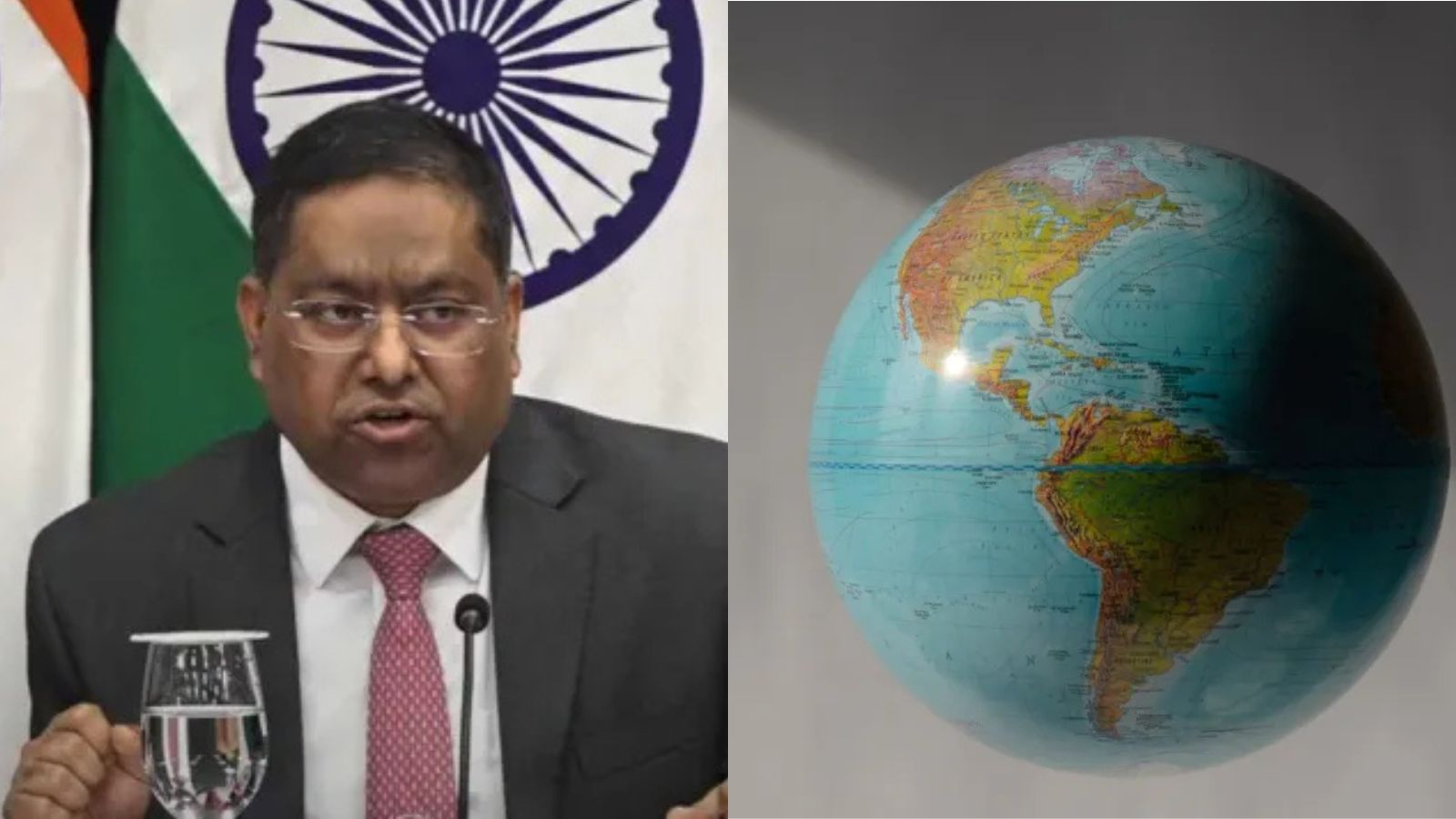
What Happened
India’s Ministry of External Affairs confirmed that New Delhi voted in support of a United Nations–led proposal to promote a world map featuring equal-area cartographic representations. In parallel, Indian officials asserted that the country’s sovereignty over Jammu and Kashmir and Ladakh remains non-negotiable and must be depicted according to India’s official map. The UN General Assembly adopted the resolution on September 4, with 164 votes in favor, and a set of abstentions and a single opposing vote from the United States. India clarified that the resolution does not endorse any specific map or border depiction and is aimed at encouraging equal-area projections that preserve continental sizes.
The Indian position was reiterated by Randhir Jaiswal, spokesperson for the Ministry of External Affairs, who described the resolution as non-endorsement of particular cartography and emphasized that any inaccurate or misleading depiction of India’s territories would be unacceptable. He also highlighted that India’s stance on sovereignty and territorial integrity is consistent and non-negotiable.
Why It Matters
The event marks India’s engagement with a UN-led effort to address cartographic representations of world regions. By voting in favor, India supports the principle of equal-area representation while maintaining a strict cautional stance that its own territorial boundaries must align with its official map. The combination of endorsing the resolution and asserting territorial claims signals a diplomatic effort to influence how global maps reflect the region without altering political boundaries.
Background
The resolution titled “Correct the Map: Rebalancing Global Cartographic Representation and Promoting Equitable Representation of the World’s Regions, Particularly Africa” was sponsored by Togo. It discusses improving map representations and was adopted on September 4. Details provided indicate the vote tally and abstentions, alongside the lone U.S. dissent, as part of the context surrounding the UN action.
Key Facts
- India voted in favor of the UN-driven world map resolution promoting equal-area projections.
- The UN General Assembly adopted the resolution on September 4 with 164 votes in favour.
- Abstentions were cast by Estonia, Georgia, Lithuania, Moldova, Serbia and Ukraine; the United States voted against.
- MEA spokesperson Randhir Jaiswal stated that India’s sovereignty over Jammu and Kashmir and Ladakh remains non-negotiable and must be depicted per India’s official map.
- Jaiswal clarified that the resolution does not endorse any specific map or political boundaries.
What Happens Next
The material outcome is a UN-driven framework encouraging equal-area cartographic representations, while India maintains its expected depiction of its own territories according to its official maps. There is no indication in the material that the resolution will alter political boundaries or specific border agreements.
Sources reviewed
Project Chintan independently synthesized and analyzed information cross-checked across the sources listed above.
Related stories
Modi Tops Trump’s G20 meeting list, US envoy says
Rubio visit in October; Quad summit on G20 margins eyed in US
Rubio may visit India in Oct as Quad-G20 summit plans in US are explored
