
Sugar prices hit record high as cane diverted to ethanol
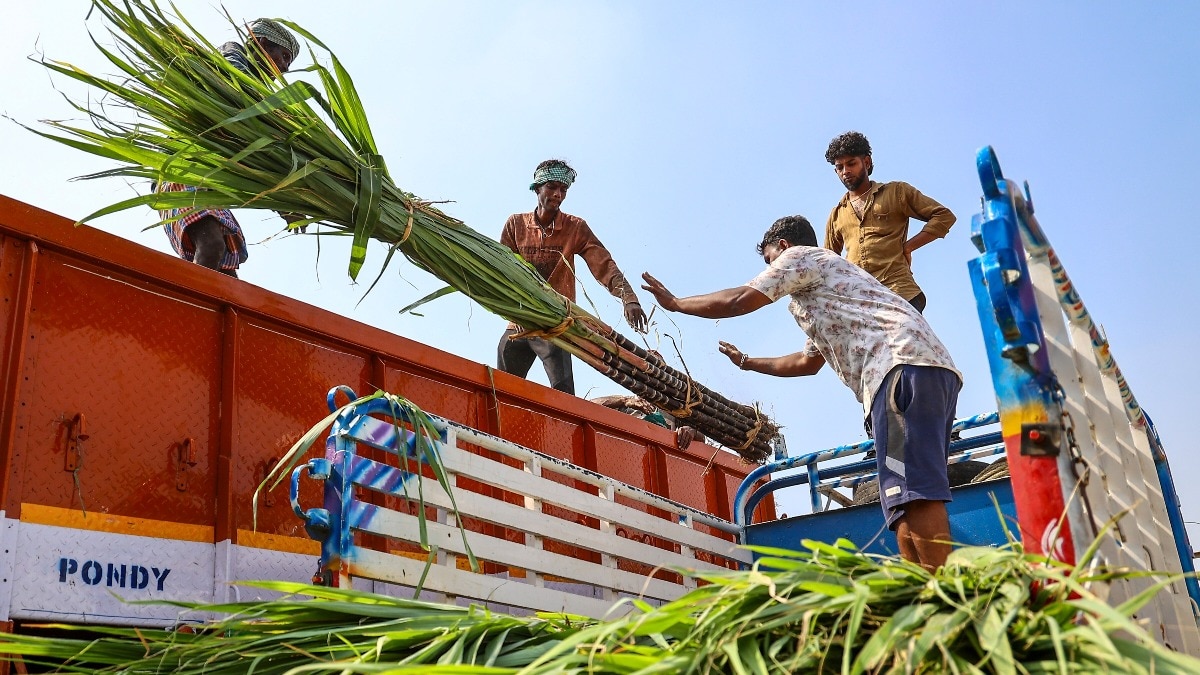
Retail sugar in India climbed to a record, with wholesale prices rising in key markets. The spike is linked to higher ethanol production from cane, while the government weighs importing sugar and removing import duty to ease shortages.
Key takeaways
- Retail sugar prices in India reached a record level with an average around 52.3 rupees per kilogram on August 18.
- Wholesale prices in Kolhapur rose to 5,350 rupees per 100 kilograms, up about 20% since August began.
- Analysts attribute the price rise to sugarcane being diverted to ethanol production as part of a broader fuel security strategy.
What Happened
Retail sugar prices in India reached a record level ahead of the festive season, with the all-India average price reported at 52.3 rupees per kilogram on August 18. In Kolhapur, a major sugar trading center, wholesale prices rose to 5,350 rupees per 100 kilograms, a near 20% increase since the start of August. In several markets, retail prices climbed to about 65 rupees per kilogram in Punjab and ~58–63 rupees per kilogram in Mumbai and Bhopal. The government is examining options to prevent a festive-season inflation surge tied to a sugar shortage.
Amid the price pressures, New Delhi is considering importing sugar, a move it has largely avoided in the past. There are reports that the government plans to remove the 100% import duty on sugar as a precursor to any imports. These steps come as India balances domestic supply concerns with demand during the upcoming holiday period.
Why It Matters
Experts attribute the price spike to a diversion of sugarcane toward ethanol production as part of India’s program to expand ethanol-blended fuel beyond current targets. This shift is described as reducing sugar availability for domestic markets and contributing to higher prices for consumers. The broader policy trade-off involves fuel security and food-price stability, particularly during a time of rising demand around festivals.
Background
India has substantial sugarcane in the fields and a large ethanol-production network built to support an ethanol-blended petrol program. By mid-2025, the country’s ethanol capacity reached around 1,822 crore litres per year across 499 distilleries, according to the All India Distillers’ Association. Sugarcane constitutes about 30–35% of ethanol feedstock, with the remainder sourced from maize and rice. The government has restricted exports to protect domestic supplies, while considering import options to mitigate shortages.
Key Facts
- All-India average retail sugar price on August 18: 52.3 rupees per kilogram.
- Wholesale sugar price in Kolhapur: 5,350 rupees per 100 kilograms (nearly 20% rise since early August).
- Retail sugar price in Punjab: around 65 rupees per kilogram.
- Retail sugar price in parts of Mumbai and Bhopal: about 58–63 rupees per kilogram.
- India’s ethanol production capacity reached around 1,822 crore litres per year across 499 sites by mid-2025.
- Sugarcane forms roughly 30–35% of ethanol feedstock; the rest comes from maize and rice.
- Policy consideration to remove the 100% import duty on sugar as a step toward possible imports.
What Happens Next
The government is actively pursuing options to prevent a festive-season inflation spike linked to sugar shortages. While plans to import sugar are being considered, the potential removal of the import duty is cited as a preliminary step to facilitating any imports, according to contemporaneous reports.
Sources reviewed
Project Chintan independently synthesized and analyzed information cross-checked across the sources listed above.
Related stories

Akhilesh Yadav targets Centre over E20, cites adviser backing for E10

Gargi Jain's Collector in Classroom reshapes tribal girls' schooling

Onam rush drives a spike in Kerala flower prices
