Centre starts onion retail sale at Rs 35 per kg in Delhi
The Indian government launched a subsidised onion sale at Rs 35 per kg in Delhi from August 27, drawing on buffer stock managed by Nafed, NCCF and Kendriya Bhandar. The move aims to stabilise prices that had spiked across major cities.
Key takeaways
- Subsidised onion sales at Rs 35 per kg began in Delhi, using government buffer stock.
- Sales are run by Nafed, NCCF and Kendriya Bhandar, with planned expansion to the NCR region.
- Buffer stock for 2026 totals 1.21 lakh tonnes; NCCF holds about 62,000 tonnes.
- Initial logistics include the Kanda Express rail movement, carrying hundreds of tonnes from Nashik to Delhi.
- Additional centres like Chennai, Ernakulam, Madurai and Guwahati are slated to receive onion consignments via dedicated rakes.
What Happened
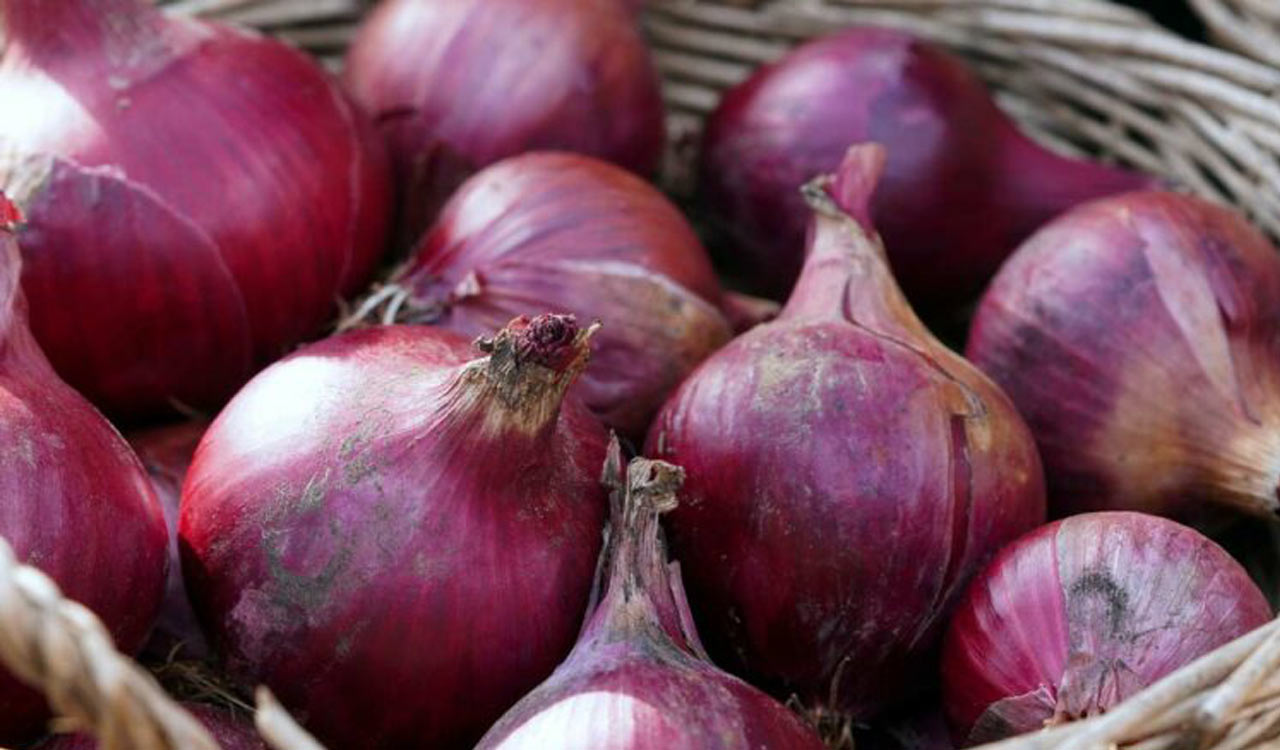
The government initiated a subsidised retail sale of onions at 35 rupees per kilogram in Delhi, drawing from the national buffer stock. The operation is being conducted by three agencies—Nafed, NCCF and Kendriya Bhandar—and is planned to extend to the NCR after the initial rollout in the capital. Mobile vans and retail stores of the two cooperatives, along with Kendriya Bhandar stores, are involved in distributing the onions. The rollout coincides with a broader effort to curb price volatility amid elevated onion prices in many cities.
Officials indicated the intervention uses a buffer stock of 1.21 lakh tonnes available across producing states for 2026, with NCCF holding about 62,000 tonnes. The first consignments were routed to Delhi via rail and road channels, including a dedicated rail movement termed the “Kanda Express” that had already departed Nashik carrying 800 tonnes. In addition to Delhi, supplies were planned for other centres, including Chennai, Ernakulam, Madurai and Guwahati, through dedicated rakes and stores in multiple cities. The scheme also involves 100 Kendriya Bhandar outlets and up to 300 Mother Dairy outlets under discussion, plus mobile vans—beginning with 15 and expanding to 40—to broaden reach.
Why It Matters
Prices for onions had risen sharply across India, with reports of retail rates reaching 55–60 rupees per kg in several metros. Delhi experienced prices around 55 rupees per kg, while other cities showed elevated levels compared with the previous year. The intervention seeks to moderate price pressures, improve consumer access, and maintain stable supply through a logistics network that leverages rail and road movement of buffer onions from producing regions to consumption centres.
Background
The effort is part of a structured response by the Centre to price spikes, using a buffer stock maintained for 2026 and managed by Nafed and NCCF, in collaboration with Kendriya Bhandar. The Kanda Express initiative has been cited as a key logistical component, with prior years showing a ramped-up distribution of buffer onions via railway rakes to multiple cities. The intervention is described by consumer affairs officials as a move to cool price volatility during festive demand and to ensure adequate availability in the market.
Key Facts
- Price of subsidised onions: Rs 35 per kg in Delhi
- Launch location: Delhi; planned extension to the NCR after initial rollout
- Agenices involved: Nafed, NCCF, Kendriya Bhandar
- Buffer stock: 1.21 lakh tonnes across producing states for 2026
- NCCF buffer stock: about 62,000 tonnes
- First rail movement: 800 tonnes via the Kanda Express from Nashik to Delhi
- Additional centres to receive onion supplies through dedicated rakes: Chennai, Ernakulam, Madurai, Guwahati
- Retail channels: 9 NCCF stores, 13 NAFED stores, 100 Kendriya Bhandar stores, 40 NCCF vans, 39 NAFED vans
What Happens Next
Officials indicated that the sale would begin in Delhi on Thursday and then extend to the NCR region after the weekend. Further movements of buffer onions via rail and road are planned to support ongoing availability across more cities, with continued use of the Kanda Express and joint logistics with CWC and other partners to ensure distribution through multiple channels.
Sources reviewed
Project Chintan independently synthesized and analyzed information cross-checked across the sources listed above.