
Kerala HC Gives Govt 6 Weeks to Fill Waqf Board Vacancies
The Kerala High Court ordered the state to complete filling vacancies on the Kerala State Waqf Board within six weeks, including the nomination of two non-Muslim members, under the UMEED Act. The court's direction came as part of PILs challenging the board’s reconstitution and the Act’s mandates.
Key takeaways
- The court gave the government six weeks to fill vacancies on the Kerala State Waqf Board.
- The order requires nominating two non-Muslim members in line with the Waqf Act 2025 amendments.
- The state's actions must align with the Unified Waqf Management (UMEED) Act, 2025, including a detailed community representation determination.
What Happened
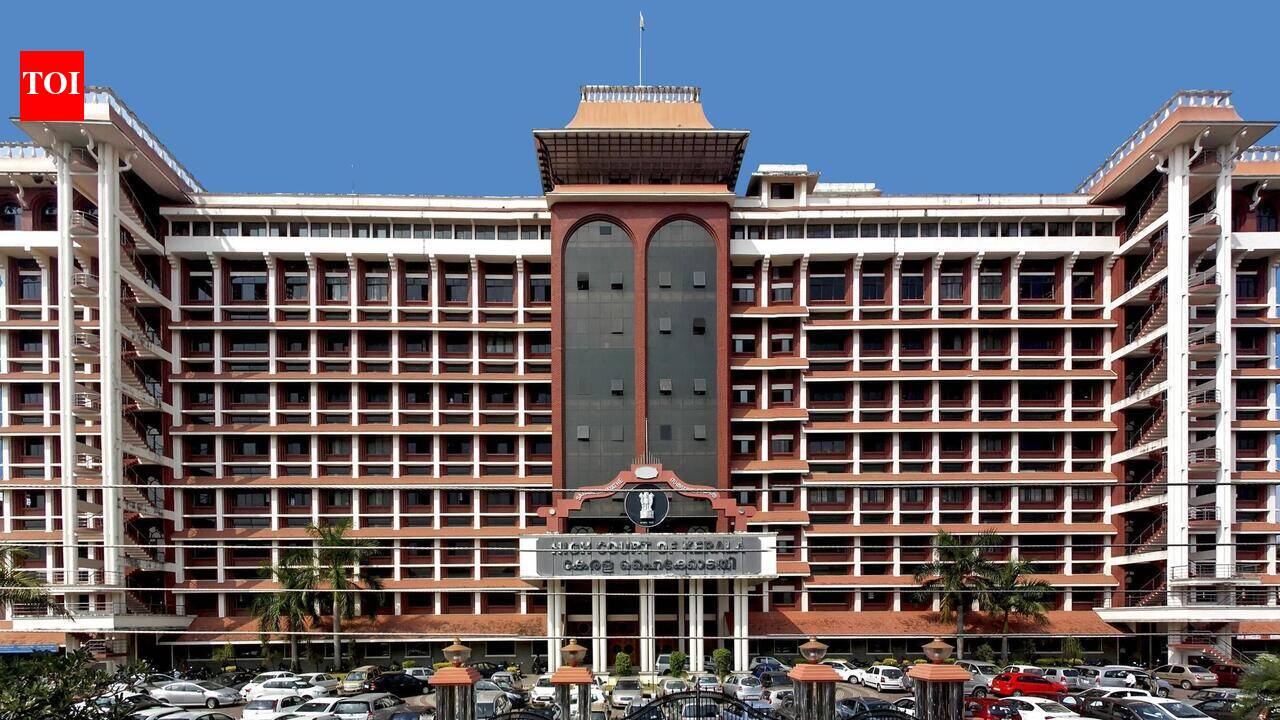
The Kerala High Court, sitting as a Division Bench of Chief Justice Soumen Sen and Justice V. M. Syam Kumar, directed the state government to complete filling the current vacancies on the Kerala State Waqf Board within six weeks. The directive includes appointing two non-Muslim members in accordance with the Waqf Act 2025 amendments. The order emerged from public interest litigations filed by BJP leader Shone George and others challenging the board’s reconstitution under the amended act. The court adjourned the matter to a future date (Sept 30) for further action.
Separately, the government submitted that it is proceeding to fill vacancies as mandated by the Unified Waqf Management, Empowerment, Efficiency, and Development (UMEED) Act, 2025, and that a detailed determination of the religious communities to be represented (Shia, Sunni, Bohra, Aghakhani, and other backward class Muslims) would precede reconstitution. The state noted that it has directed the Chief Executive Officer of the Waqf Board to carry out this community-number determination to inform subsequent appointments.
Why It Matters
The case tests compliance with new legal provisions governing Waqf board composition, particularly the requirement to include non-Muslim members and to determine representation from various Muslim communities. The court’s six-week deadline seeks a concrete action timeline and signals judicial oversight of the state’s process to reconstitute the board under the 2025 amendments. The involvement of a BJP petitioner and several civil society groups underscores the politically charged nature of board appointments and religious representation in state governance.
Background
Earlier this year, amendments to the Waqf Act 2025 introduced mandates for including two non-Muslim members on the Kerala State Waqf Board and required a determination of Muslim community representation (across Shia, Sunni, Bohra, Aghakhani, and other backward classes). The state contends that reconstitution lies within its powers, while the court indicated it would not interfere with the overall reconstitution but urged adherence to the statutory provisions. The Supreme Court has heard petitions challenging the amendment, and there have been related stays and orders concerning similar issues in other states, such as Tamil Nadu, reflecting a broader legal contest over the Act’s provisions.
Key Facts
- Kerala High Court bench: Chief Justice Soumen Sen and Justice V. M. Syam Kumar.
- Date of order: not explicitly stated in the sources, but the reporting date is August 20, 2026.
- Six-week deadline given to the state government to fill vacancies on the Kerala State Waqf Board.
- Mandate to include two non-Muslim members as per the Waqf Act 2025 amendments.
- The government claimed it is following the UMEED Act, 2025 for determining community representation (Shia, Sunni, Bohra, Aghakhani, and other backward classes).
- A detailed determination of the number and value of communities is to inform appointments.
- The report from the government is due for submission to the government for further action; the court scheduled Sept 30 for the next hearing.
- Petitioners include BJP leader Shone George and other civil society groups; challenge centers on non-inclusion of non-Muslim members and board reconstitution.
What Happens Next
The state is to submit its report on steps taken to fill the vacancies within six weeks, including the process and numbers for community representation. Following this, the court will review whether the proposed reconstitution complies with the Waqf Act 2025 and the UMEED framework. The matter could influence how Kerala proceeds with appointing two non-Muslim members and determining the Muslim-community composition in future board structures, potentially affecting governance of waqf properties and related administrative actions.
Sources reviewed
Project Chintan independently synthesized and analyzed information cross-checked across the sources listed above.
Related stories

Leopard caught in trap set for wild boar on Kerala farm
Kerala launches Revive-Navajeevanam to boost primary maths and languages

Student falls from moving private bus, killed after being run over in Palakkad, Kerala
