India, Pakistan Name Each Other Greatest Geopolitical Threat: Survey
A Pew Research survey reveals that majorities in both India and Pakistan perceive each other as their primary geopolitical threat. The findings highlight deep-seated distrust between the two South Asian nations.
Key takeaways
- A Pew Research survey indicates that majorities in both India and Pakistan perceive each other as their greatest geopolitical threat.
- 54% of Indian adults identified Pakistan as their top geopolitical threat, while 43% of Pakistani adults identified India.
- Pakistanis overwhelmingly view China as their most important ally, while Indians cite Russia as their top ally.
- The survey also explored views on China, Russia, the U.S., and leadership in these countries.

A recent survey by the American think tank Pew Research indicates that citizens in both India and Pakistan identify each other as their greatest geopolitical threat. This perception underscores significant mistrust between the neighboring countries.
The survey found that 54% of Indian adults consider Pakistan their foremost geopolitical threat, with China following at 21%. Conversely, 43% of Pakistanis view India as their greatest threat, while 24% hold similar opinions about Israel and China.
Regarding alliances, Pakistanis predominantly identify China as their most important ally (75%), with Saudi Arabia mentioned by 12%. In India, Russia is cited as the top ally by 36% of respondents, followed by the U.S. at 16%. A substantial portion of Indians did not provide an answer to this question.
Public opinion on the U.S. appears unfavorable in Pakistan, with only 15% holding a positive view despite perceived camaraderie between leaders. In contrast, 90% of Pakistanis expressed a favorable view of China. Pakistanis showed limited confidence in then-U.S. President Donald Trump's global decision-making (12%), while 83% trusted China's President Xi Jinping.
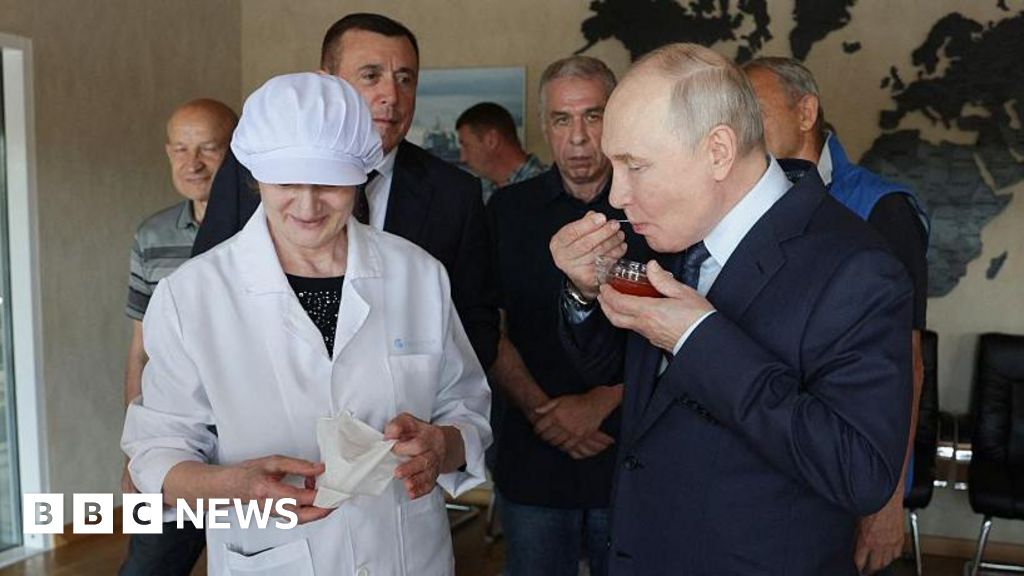
Indians expressed more positive views of Russia and President Vladimir Putin (58% favorable, 51% confidence) compared to Pakistanis (39% favorable, 32% confidence). Views on China and Xi Jinping were less favorable in India, with 23% viewing China positively and 25% trusting Xi Jinping's leadership. Indian sentiment towards the U.S. was more mixed, with 45% viewing it favorably and 39% expressing confidence in President Trump.
In the broader South Asian context, the survey included Bangladesh and Sri Lanka. A large majority of Sri Lankans (79%) hold a positive view of India, while 42% of Bangladeshis do. Pakistanis show a low positive view of India at 7%. Sri Lankans identify India as their most important ally (63%), whereas Bangladeshis and Pakistanis frequently name India as their greatest threat.
In the United States, 45% of Americans hold a favorable view of India, with 50% viewing it unfavorably. Views were split among political leanings, with Democrats showing a slightly more favorable outlook than Republicans. Over half of Americans (54%) believe India's global influence has remained constant, while 30% think it is growing.
Sources reviewed
Project Chintan independently synthesized and analyzed information cross-checked across the sources listed above.
Related stories
Japan Condemns Putin's Visit to Disputed Kuril Islands

Indian Stocks Decline Amid Elevated Oil Prices and Geopolitical Tensions

India Approves Fourth Rail Line for Strategic 'Chicken's Neck' Corridor