
Rajya Sabha passes dissent law on national anthem and song
Legislation to protect the national anthem and national song received rapid passage in Parliament and prescriptive penalties for obstructing or disturbing sung performances. The measure aligns with a 1971 act, setting jail terms and fines for specific offenses.
Key takeaways
- The amendment was introduced in July 2026 and quickly passed both houses with limited debate.
- The law targets two acts: obstructing the singing of the national anthem or national song and disturbing an assembly engaged in singing them.
- Punishments include imprisonment up to three years, a fine, or both, with a mandatory minimum of one year for repeat offenders.

What Happened
The Prevention of Insults to National Honour (Amendment) Bill, 2026 was introduced in the Rajya Sabha on July 24, 2026. It moved quickly through Parliament, being cleared by the Rajya Sabha on July 29 and by the Lok Sabha on July 30 after brief debate. The President gave assent to the amendment soon after. The text replaces Section 3 of the 1971 Act with a provision that targets two specific acts in relation to the national anthem and the national song: deliberately stopping their singing and causing a disturbance to an assembly that is engaged in singing them. The punishment set forth allows for up to three years of imprisonment, a fine, or both, with a mandatory minimum of one year for repeat offenders.
Why It Matters
The amendment addresses acts affecting reverence for national symbols and the freedom of expression surrounding them, tying criminal liability to interference with singing and disturbances in related gatherings. The legislation arrives amid ongoing discussions about cultural and religious sentiment in the public sphere, and it follows a pattern of criminal penalties attached to national symbols.
Background
The article notes that Parliament’s action comes in the context of earlier debates about Vande Mataram’s status relative to Jana Gana Mana, the national anthem, and the symbolic place of the song within India’s constitutional framework. It references a 1950 statement by the nation’s first president regarding the status of Vande Mataram and its relationship to official national symbolism, as well as a historical compromise from the 1937 Congress Working Committee about which verses of Vande Mataram would be sung in official contexts. The piece also cites a 1986 Supreme Court judgment, Bijoe Emmanuel v. State of Kerala, to illustrate the protective stance toward individual conscience in matters involving national symbols and expressions of belief.
Key Facts
- Bill: Prevention of Insults to National Honour (Amendment) Bill, 2026
- Introduced: July 24, 2026 (Rajya Sabha)
- Passage: Rajya Sabha on July 29, 2026; Lok Sabha on July 30, 2026
- Assent: Presidential assent given shortly after passage
- Scope: Replaces Section 3 of the 1971 Act with provisions relating to the national anthem and the national song
- Offenses covered: intentionally preventing their singing; causing disturbance to an assembly engaged in singing them
- Punishment: up to three years’ imprisonment, a fine, or both; mandatory minimum one year for repeat offenders
What Happens Next
The article does not outline further scheduled steps beyond assent and the immediate legal effect of the amendment, which enacts penalties for specified offenses related to national symbols.
Sources reviewed
Project Chintan independently synthesized and analyzed information cross-checked across the sources listed above.
Related stories
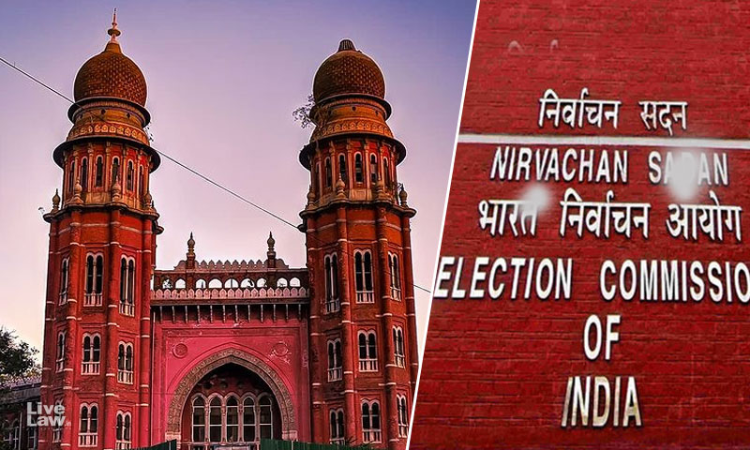
Madras High Court extends stay on five Tamil Nadu bypolls as petitions loom

KSBC backs Mishra as BCI row with Reddy allegations contested

SC notices Centre, state on plea for CBI probe into JPSC exam irregularities
