Ancient Human Species Homo antecessor Showed "Mosaic" Anatomy, New Study Finds
New analysis of skull fragments from the Gran Dolina cave in Spain suggests Homo antecessor shared some cranial characteristics with modern humans. Researchers employed micro-computed tomography to examine adult skull fragments, revealing details about cranial thickness and structure.
Key takeaways
- Analysis of new Homo antecessor skull fragments from Spain reveals similarities to modern human cranial structure.
- Researchers used micro-computed tomography to compare the detailed cranial thickness of adult Homo antecessor skulls with other Homo species.
- The findings suggest Homo antecessor possessed a "mosaic" anatomy, exhibiting a mix of ancient and modern features.
- The limited number of Homo antecessor samples available currently restricts the extent of definitive conclusions.
- The Gran Dolina cave complex remains the only known site for Homo antecessor fossil discoveries.
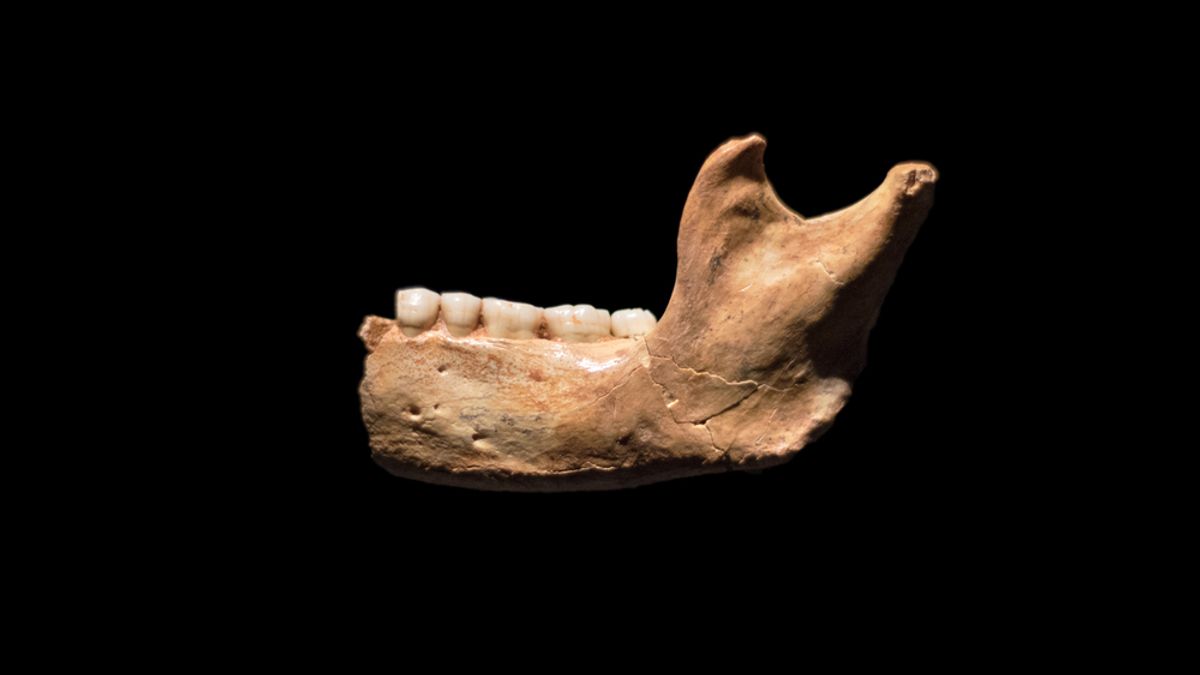
Analysis of recently discovered fossil fragments from the Gran Dolina cave complex in northern Spain indicates that the ancient human species Homo antecessor possessed a mix of anatomical features, some resembling modern humans and others found in more primitive species. The findings, published in the Journal of Human Evolution, focus on the cranial structure of H. antecessor, which lived in Europe between 1.2 million and 600,000 years ago.
What Happened
Researchers examined 24 new human fossils unearthed from the Gran Dolina site, which is the sole location where H. antecessor remains have been found. Among these, three fragments of the parietal bone, which forms the top and sides of the skull, were analyzed from adult individuals. Using micro-computed tomography, a technique that visualizes the skull’s three layers in detail, scientists were able to compare the cranial thickness of H. antecessor with that of other species within the genus Homo, including modern humans.
Key Facts
- Homo antecessor fossils have been discovered exclusively at the Gran Dolina cave complex in northern Spain.
- Approximately 13 to 15 H. antecessor individuals had been found prior to the recent excavation.
- The recent discovery included 24 new human fossils, three of which were parietal skull fragments from adults.
- Researchers utilized micro-computed tomography to analyze the skull fragments’ structure and thickness.
- The middle layer of H. antecessor skulls, known as the diploë, was found to be spongy, similar to modern humans, and constituted about half of the total skull thickness.
- H. antecessor had thinner outer skull layers and thicker inner layers compared to modern humans.
- These findings suggest a “mosaic” anatomy for H. antecessor, with some features shared with modern humans and others resembling more ancient species.
- The study authors noted that the limited sample size of H. antecessor remains restricts the scope of their interpretations.
Background
The Gran Dolina cave complex, part of the Sierra de Atapuerca site, has been the source of all known H. antecessor remains since the first discovery in 1994. Previously, most recovered samples were from juvenile individuals, making the analysis of adult skull fragments particularly significant for understanding the species' cranial development and evolutionary relationships. The study highlights the importance of skull thickness in paleontological analysis, as it can provide insights into growth patterns and evolutionary connections.
Sources reviewed
Project Chintan independently synthesized and analyzed information cross-checked across the sources listed above.
Related stories
Archaeopteryx Used Leg Power for Flight Takeoff, Study Suggests
New Ice Age Toad Species Identified in La Brea Tar Pits Fossils

2027 'Eclipse of the Century' to Offer Unprecedented Viewing in Middle East, North Africa, and Spain