
Archaeopteryx Used Leg Power for Flight Takeoff, Study Suggests
New research indicates the 150-million-year-old Archaeopteryx likely initiated flight through powerful leg leaps, similar to modern crows. This method compensated for limited wing mobility.
Key takeaways
- A 150-million-year-old creature named Archaeopteryx likely used its legs to generate most of the force needed for flight.
- This takeoff method involved multiple leaps, akin to how crows fly today.
- Archaeopteryx had limitations in wing mobility and lacked a keeled sternum, necessitating a different takeoff strategy than many modern birds.
- The findings contribute to understanding the evolutionary path from dinosaurs to birds.
- Researchers used computer models and observations of modern birds to reach their conclusions.
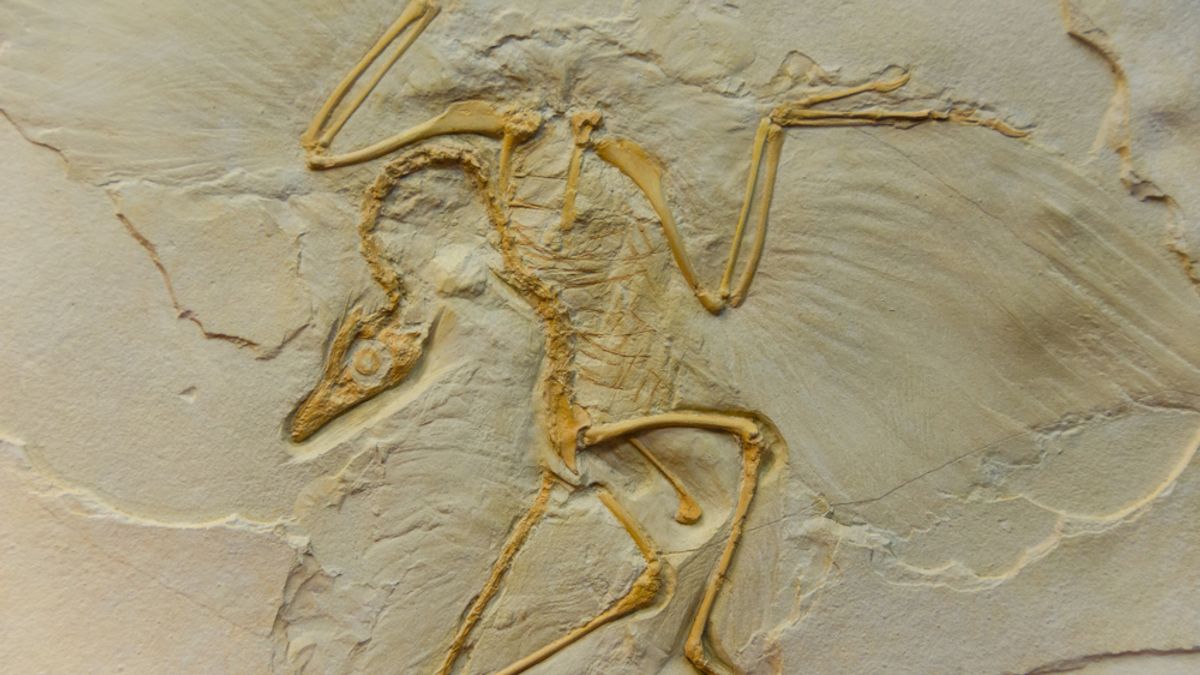
A recent study proposes that the ancient creature Archaeopteryx, dating back 150 million years, likely took to the air using a flight initiation method comparable to that of present-day crows. Unlike many modern birds that can launch into flight with a single bound, Archaeopteryx's anatomy presented limitations.
What Happened
Researchers analyzed the flight capabilities of Archaeopteryx, a reptile-like bird from the late Jurassic Period. The study utilized advanced computer models, observations of living birds such as crows and gulls, and data on Archaeopteryx's specific anatomy. Findings suggest that limited shoulder mobility and the absence of a keeled sternum hindered its ability to generate lift solely with its wings. Instead, the creature is believed to have relied on its legs to generate the necessary force for takeoff.
Key Facts
- Archaeopteryx lived approximately 150 million years ago during the late Jurassic Period.
- The creature was about 2 feet long and possessed feathers and wings, alongside dinosaur-like features such as a long bony tail and claws on separate fingers.
- Fossil evidence indicates Archaeopteryx had limited shoulder mobility and lacked a breastbone with a keel.
- A study combining computer models and observations of modern birds suggests Archaeopteryx used its legs for takeoff, generating up to 90 percent of the force needed to leave the ground.
- This takeoff method involved multiple leaps, possibly one or two with wing flaps in between, to achieve sustainable flight speeds.
- The flight initiation technique is compared to that of modern crows, seagulls, and magpies.
Background
The exact classification of Archaeopteryx as either the first bird or a non-avian dinosaur has been a subject of debate. While it possessed wings and feathers, it also retained distinct dinosaur characteristics. Previous theories on its flight initiation included gliding from heights or running up inclines, which have been challenging to test experimentally.
Why It Matters
This research sheds light on the evolutionary stages of flight in early avian ancestors. Understanding how Archaeopteryx took flight provides crucial insights into the transition from dinosaurs to birds and the diverse methods employed for aerial locomotion in prehistoric times. The findings highlight the significant role leg power played in early flight capabilities, a factor often overshadowed by the study of wing mechanics.
Sources reviewed
Project Chintan independently synthesized and analyzed information cross-checked across the sources listed above.
Related stories
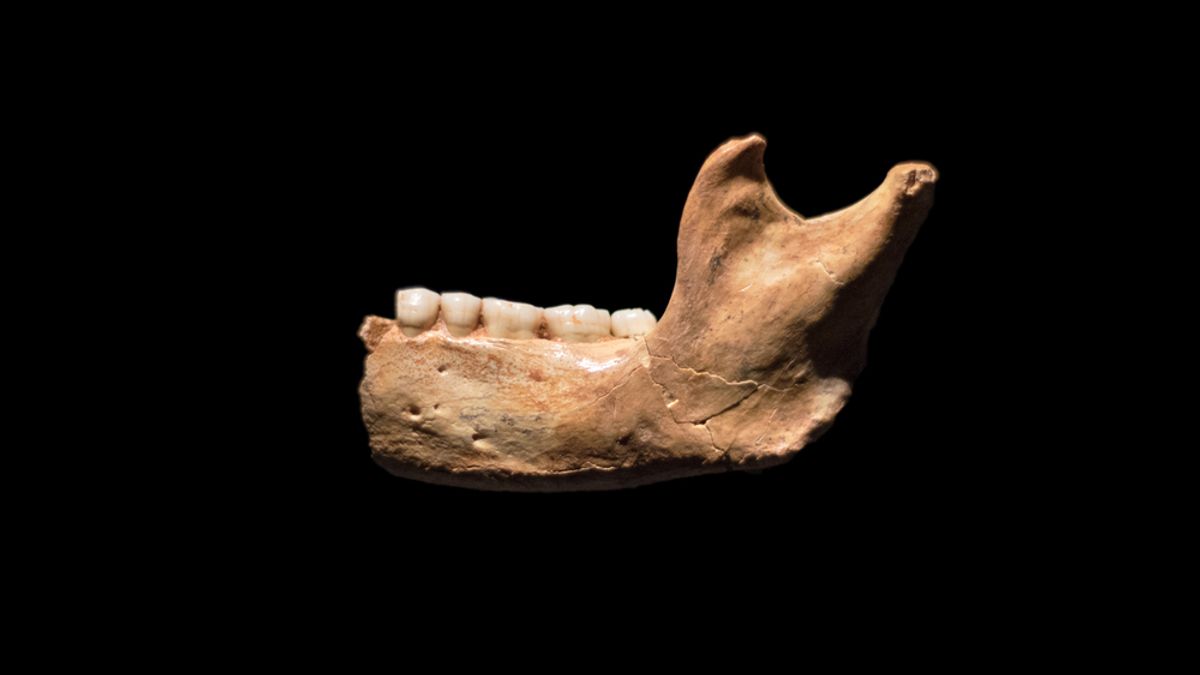
Ancient Human Species Homo antecessor Showed "Mosaic" Anatomy, New Study Finds
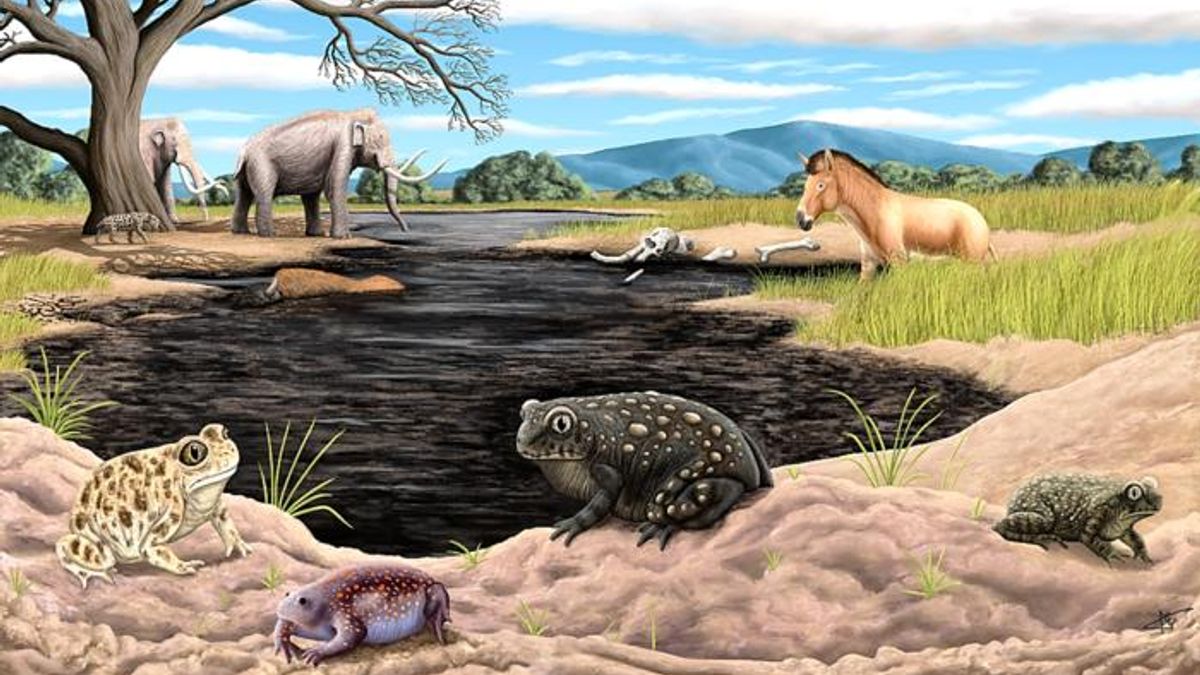
New Ice Age Toad Species Identified in La Brea Tar Pits Fossils
Carbohydrates, Not Just Meat, Fueled Ancient Human Brain Expansion
