
HAL and Safran seal Aravalli engine deal for India’s 13-tonne helicopters
HAL and Safran have formed SAFHAL to co-develop the Aravalli engine for India’s IMRH and DBMRH, a 3,500–4,000 shp turboshaft. The program aims to shift India toward indigenous propulsion design and expand domestic aero-engine capabilities.
Key takeaways
- HAL and Safran formalized a joint venture agreement to develop the Aravalli engine for the IMRH and its naval counterpart.
- The engine targets 3,500–4,000 shaft horsepower and will power two engines per aircraft on twin-engine designs.
- The program represents a shift from licensed production to joint indigenous propulsion development in India.
What Happened
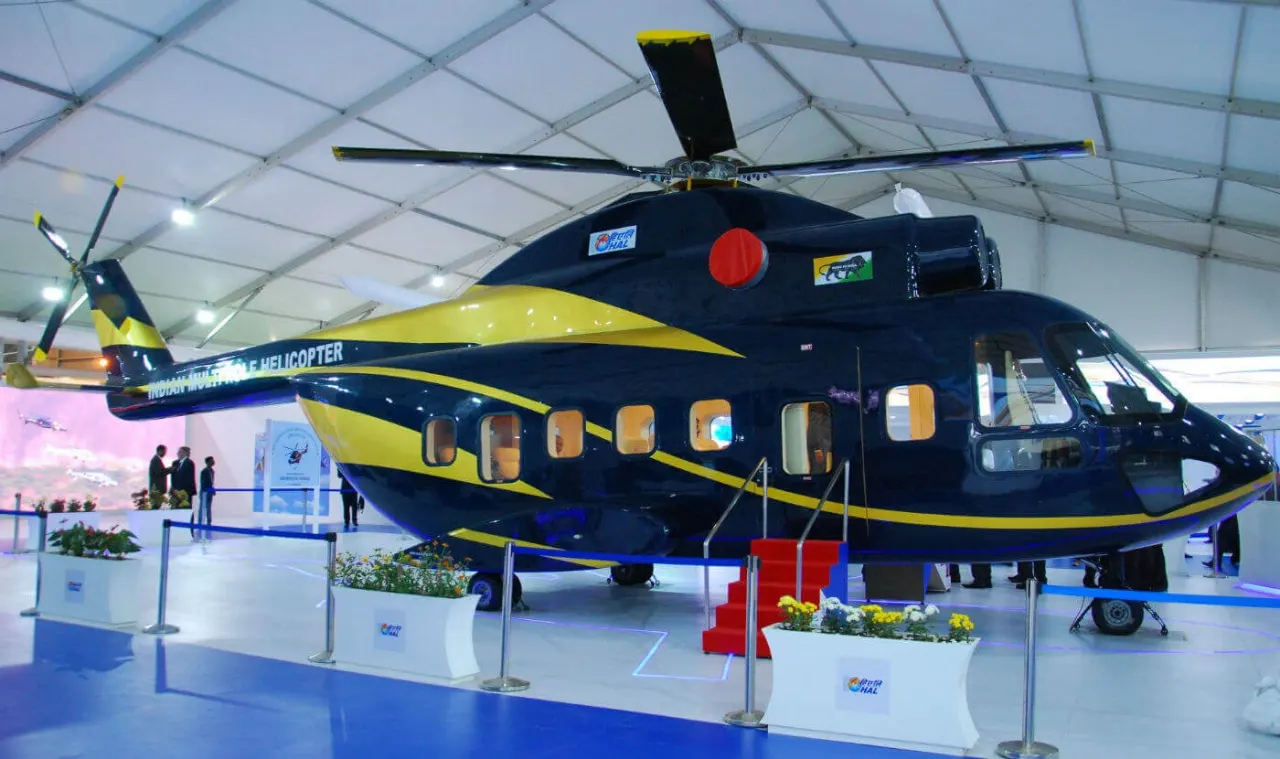
Hindustan Aeronautics Limited (HAL) and France’s Safran Helicopter Engines finalized a contract through their 50:50 joint venture SAFHAL Helicopter Engines Pvt Ltd to design, develop, manufacture, supply and provide lifecycle support for a new-generation turboshaft engine named Aravalli. The engine is intended to power India’s 13-tonne Indian Multi-Role Helicopter (IMRH) and its naval derivative, the Deck-Based Multi-Role Helicopter (DBMRH). The powerplant is in the 3,500–4,000 shaft horsepower class and will be used on two twin-engine configurations per aircraft. The agreement was signed in Bengaluru, with participation from HAL and Safran executives and organizations, and marks a transition toward joint development and indigenous propulsion technology for Indian rotorcraft.
According to reports, the Aravalli program covers the full product cycle—from advanced design methods and manufacturing processes to testing and product support—under international aerospace standards. The IMRH targets include a maximum take-off weight around 13 tonnes, a five-blade main rotor about 21.2 metres in diameter, seating for 24 troops in standard layouts or 36 in high-density configurations, and a payload capacity near 4 tonnes at sea level. The DBMRH is the 12.5-tonne naval variant designed for deck-based operations. Both aircraft are designed to operate across varied Indian environments and are intended to eventually replace certain aging platforms in service.
Why It Matters
The Aravalli program is described by HAL as a significant step toward self-reliance in propulsion technology, moving from licensed production to joint development of a high-power helicopter engine. The deal is also framed as expanding India’s capabilities in core engine technologies and potentially broadening civil and military aerospace opportunities through transferable knowledge, supply chains, and indigenous MRO capabilities.
Background
HAL and Safran formed SAFHAL to jointly develop this high-power engine, which will power HAL’s IMRH and the naval DBMRH. The project places emphasis on operating in diverse environments and leveraging Safran’s propulsion expertise alongside HAL’s design and manufacturing capabilities. The engine work is positioned within India’s broader push to build indigenous aero-engine capabilities and supply chains, including material science, machining, and castings, and it involves exposure to international design practices and certification processes.
Key Facts
- Parties: Hindustan Aeronautics Limited (HAL) and Safran Helicopter Engines, via SAFHAL Helicopter Engines Pvt Ltd (joint venture, 50:50).
- Engine name: Aravalli.
- Engine class: 3,500–4,000 shaft horsepower.
- Applications: IMRH (13-tonne) and DBMRH (12.5-tonne naval derivative).
- Configuration: twin-engine platforms, two Aravalli engines per aircraft.
- Manufacturing site mentioned: Tumakuru, Karnataka (as per reporting on SAFHAL manufacturing).
- Program scope: full lifecycle support, advanced design methods, manufacturing processes, testing, and product support to meet international aerospace standards.
- Strategic aim: transition from licensed production to joint indigenous engine development and build deeper propulsion capabilities in India.
What Happens Next
Design development timelines and certification milestones for Aravalli are outlined as part of the SAFHAL programme, with ongoing collaboration between HAL and Safran engineers to mature propulsion technologies for future indigenous aero-engine capabilities. Manufacturing and wider industry impact opportunities for Indian suppliers in materials, precision machining and castings are anticipated as the project progresses.
Sources reviewed
Project Chintan independently synthesized and analyzed information cross-checked across the sources listed above.
Related stories
Russia’s Su-57 fleet remains small amid export challenges

N-Gen post offices to offer easy digital services, says Joshi

US envoy visits Tata-Lockheed hub as India seeks 80 transport aircraft
