
Russia’s Su-57 fleet remains small amid export challenges
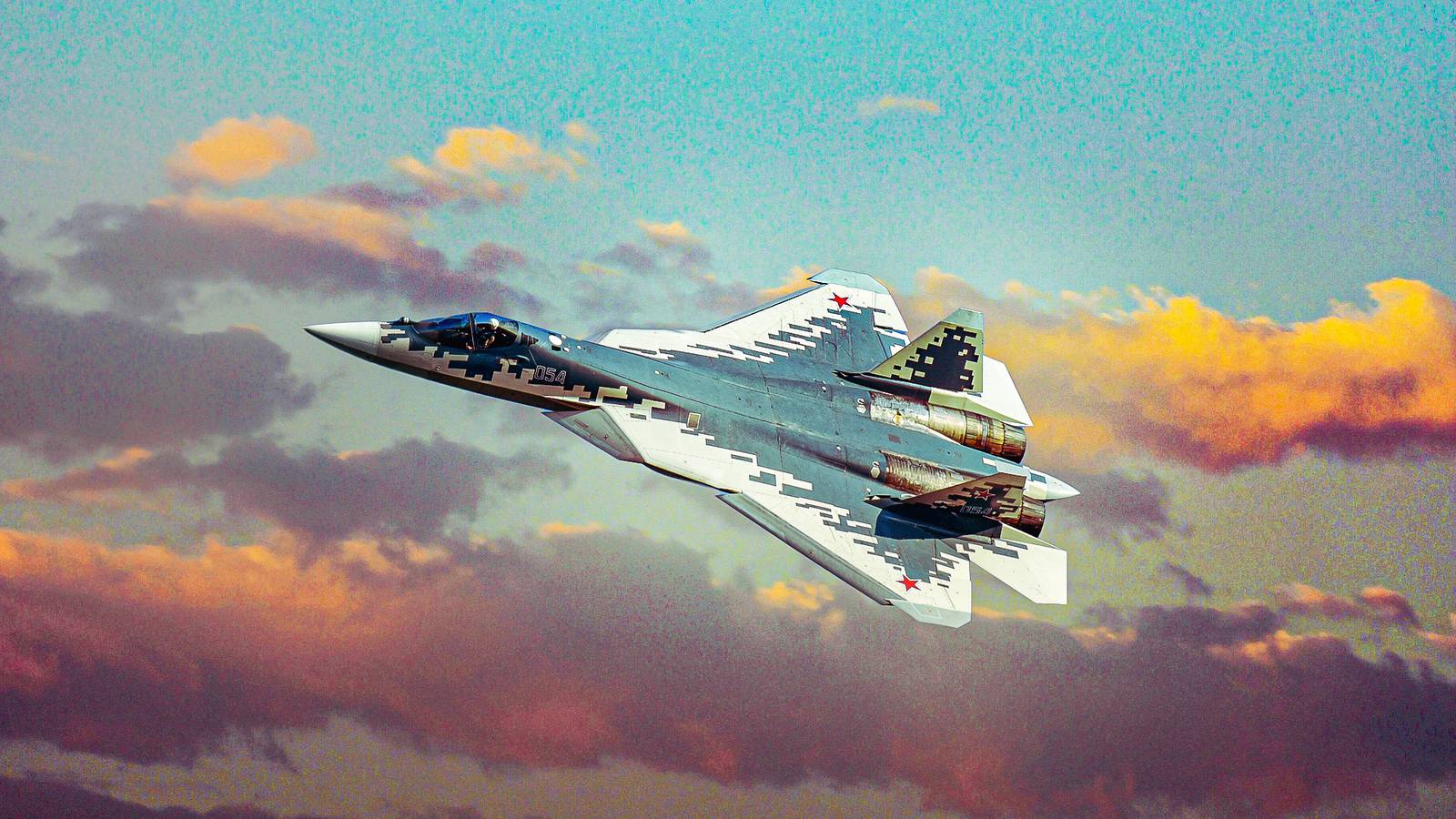
The Su-57 Felon has a limited global footprint six years after entering service, with Russia’s orders modest and Algeria the only confirmed export customer. Production and delivery timelines appear stretched, while parallel efforts to export other platforms signal broader export challenges for Mosco
Key takeaways
- The Su-57 entered service in 2020 and Russia has an order for 76 units aimed for 2027/2028, though deliveries may be delayed.
- Algeria is the only confirmed export customer for the Su-57, reportedly ordering 14 aircraft.
- Algeria had two Su-57s delivered by early 2026; Russia's Air Force reportedly had 20–30 in service at that time.
What Happened
The Su-57 Felon entered service in 2020. As of 2026, Russia had ordered 76 examples that were slated for delivery by 2027/2028, though delivery timelines are described as likely delayed. Algeria is the only confirmed export customer, reportedly ordering 14 examples. By early 2026, Algeria was said to have two Su-57s delivered, while the Russian Air Force reportedly held a fleet of 20 to 30 examples.
Russia’s broader export strategy for its fifth-generation fighters has faced limited traction. The MiG-35, developed as an export-focused upgrade to the MiG-29, failed to secure a single international order, though Russia produced a token batch of six for its Swifts aerobatic team to spur serial production. A successor project, the Su-75 Checkmate, has not drawn firm international interest as of 2026. These parallel developments underscore a wider pattern of limited international demand for Russia’s fifth-generation offerings.
Why It Matters
The small size of the Su-57 fleet, coupled with scant export success, suggests Russia is facing persistent challenges in monetizing its advanced fighters on the international market. The situation mirrors broader export struggles seen with other Russia-origin platforms, and the Hesitation around the Su-57’s export potential may influence Moscow’s strategic posture and production planning for future programs. Analysts suggest that Russia’s current export constraints align with broader geopolitical and economic pressures, which also affect the viability of newer export-focused projects like the Su-75.
At the same time, the limited international interest in fifth-generation fighters affects Russia’s ability to achieve global influence through arms sales, even as it maintains a domestic fleet and seeks to demonstrate capability through demonstrations and potential future sales. The dynamic also intersects with debates in other countries about whether to acquire or partner on Russian stealth platforms versus Western or other alternatives.
Background
The Su-57 was originally developed as part of a joint Russo-Indian program and was designed with export potential in mind. Russia’s export attempts for the MiG-35 did not yield orders, and the Su-75 Checkmate has not secured confirmed international customers by 2026. In Russia, the Su-57 remains a core element of its fifth-generation lineup, while export prospects have been modest, with Algeria as the sole confirmed customer to date. These factors come amid a broader context of sanctions and geopolitical shifts affecting Moscow’s defense industry.
Key Facts
- Su-57 Felon entered service in 2020.
- As of 2026, Russia had ordered 76 units expected for delivery by 2027/2028, with possible delays.
- Algeria is the only confirmed export customer, reportedly ordering 14 units.
- By early 2026, Algeria had two Su-57s delivered; the Russian Air Force reportedly held 20–30 aircraft.
- Russia’s export-focused MiG-35 did not secure any international orders; the Su-75 Checkmate had not attracted firm international interest by 2026.
What Happens Next
No formal export deals beyond Algeria are reported as secured by 2026. The industry remains focused on completing the existing Russian Air Force order and managing production schedules, while parallel efforts for newer export-led platforms continue to seek international interest, with no confirmed outcomes by mid-2026.
Sources reviewed
Project Chintan independently synthesized and analyzed information cross-checked across the sources listed above.
Related stories

US envoy visits Tata-Lockheed hub as India seeks 80 transport aircraft

Parliamentary committee reviews Bengaluru space and science projects

Golconda Fort tunnel discovery sparks local buzz in Hyderabad