
Guardians of the Night: How Katarniaghat Farmers Protect Migratory Elephant Corridors
Local agriculturalists in Uttar Pradesh have formed the Gajmitra network to mitigate human-wildlife conflict along the India-Nepal border. By utilizing traditional knowledge and modern tracking, these volunteers have slashed local crop damage by 70 percent.
Key takeaways
- The Gajmitra initiative has reduced crop damage by 70% in the Katarniaghat region through community-led patrolling.
- Over 150 trained volunteers monitor ancient elephant migration routes between India and Nepal every night.
- Volunteers use non-lethal methods like megaphones and sirens to guide herds, avoiding the need for animal capture or tranquilization.

When night falls over the villages bordering Uttar Pradesh's Katarniaghat forests, a secondary labor force begins its shift. These individuals, known as Gajmitras, transition from their daytime roles as farmers and cattle herders to nocturnal sentries. Equipped with reflective vests, whistles, and megaphones, they monitor the movement of wild elephants navigating the ancient transboundary corridors of the Terai Arc Landscape.
Why It Matters
The region serves as a vital migratory artery between India's Dudhwa Tiger Reserve and Nepal's Bardia National Park. Because elephants possess a highly developed hippocampus, they retain spatial memories of migration routes for decades. As human agriculture expands into these ancestral pathways, the risk of violent encounters increases. The Gajmitra initiative represents a shift toward coexistence, prioritizing community-led monitoring over invasive measures like tranquilization or capture.
Background
Launched in 2021 by the Uttar Pradesh Forest Department and the Nature Environment & Wildlife Society (NEWS), the program addresses the reality of 50 to 150 elephants moving through the sanctuary. The initiative was designed to transform vulnerable residents into trained first responders. Today, over 150 volunteers across villages such as Rampurwa, Matehi, and Amba operate an early warning network that alerts both the Forest Department and local families to elephant proximity.
Key Facts
- Conflict Reduction: Crop destruction has declined by approximately 70 percent since the program's inception.
- Strategic Patrols: Teams of five disperse at 11 pm, utilizing watchtowers and field patrols to track fresh footprints and herd movements.
- Gender Roles: While men typically handle forest-edge patrols, women like Vineeta Devi lead door-to-door safety campaigns to prevent crowds from gathering during sightings.
- Equipment: Volunteers rely on non-lethal tools including handheld sirens, torches, and megaphones to guide herds without inducing panic.
What Happens Next
The program continues to emphasize patience and observation to ensure elephants reach their destinations safely. Volunteers aim for a status quo where sunrise brings zero incidents, maintaining the delicate balance between the region's sugarcane economy and the migratory needs of the matriarch-led herds. The network plans to keep reinforcing community preparedness to ensure residents understand that these ancient corridors existed long before modern settlements.
Source: The Better India
Related stories

Shared Spaces Rejects Western Wildlife Norms to Document India's Human-Wild Coexistence

Kerala Conservationists Sound Alarm Over Development in Critical Elephant Pathway
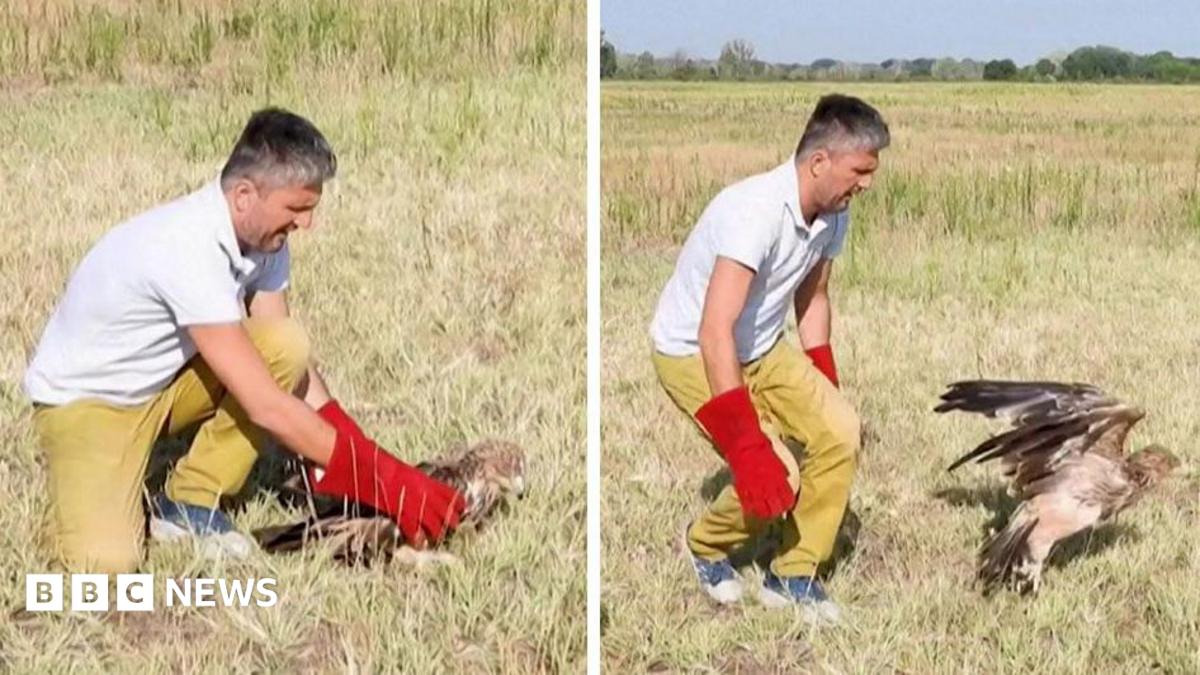
Critically Endangered Imperial Eagle Returns to Serbian Wild After Syrian Abduction
