
Critically Endangered Imperial Eagle Returns to Serbian Wild After Syrian Abduction
Following a months-long ordeal involving poachers and international negotiations, a rare eastern imperial eagle named Feliks has been repatriated from Lebanon. The raptor's rescue marks a victory for conservationists as Serbia works to restore its fragile population of the species.
Key takeaways
- A critically endangered eastern imperial eagle was repatriated to Serbia after being kidnapped by poachers in Syria.
- Traffickers attempted to ransom the bird after his tracking signal vanished in October 2024.
- Serbia's imperial eagle population has grown from one pair in 2017 to 29 pairs in 2024 due to conservation efforts.
- The eagle recovered in a Beirut wildlife center for over six months before being flown home by the Serbian military.
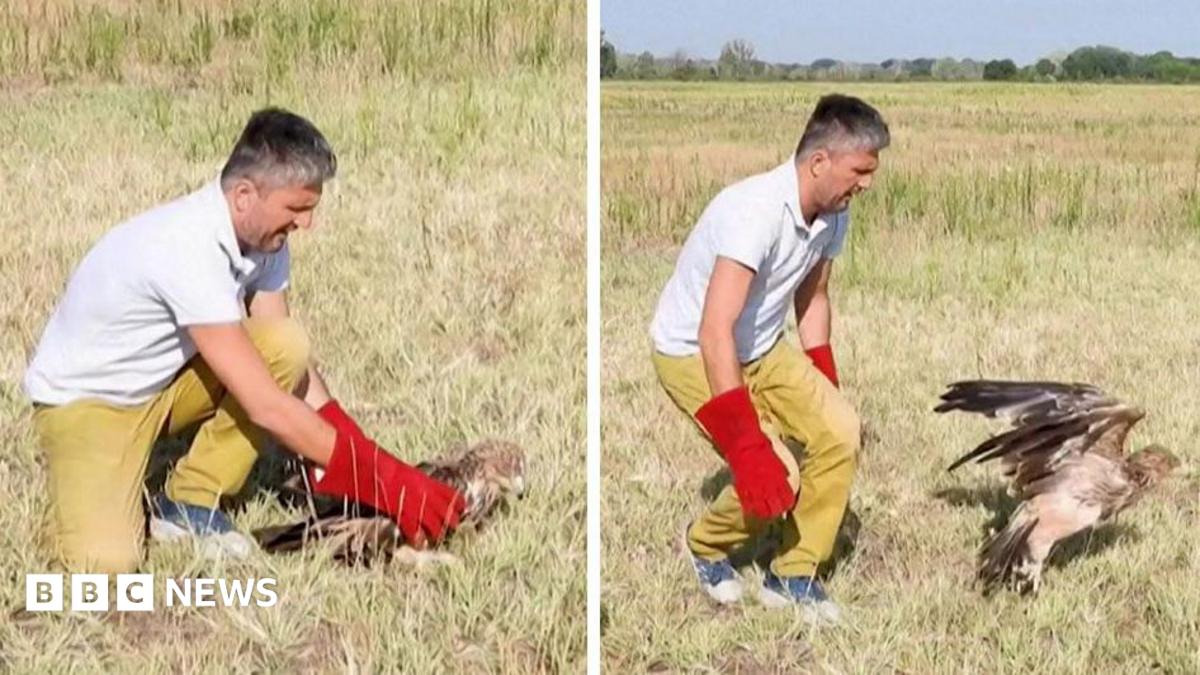
The Capture and Ransom of Feliks
A rare eastern imperial eagle has returned to Serbian skies after escaping the hands of animal traffickers in the Middle East. The bird, known as Feliks, vanished in October 2024 after his tracking signal went silent. While experts initially suspected equipment failure, they soon discovered poachers in Syria had captured the raptor. The abductors eventually attempted to secure a ransom for the bird's release, a demand that officials rejected. During the ordeal, Feliks was moved to a specialized wildlife center in Beirut, Lebanon, where he spent over six months recovering from his time in captivity.
Why It Matters
The eastern imperial eagle is classified as critically endangered, making every individual bird vital to the survival of the species. Serbia has seen a significant recovery in these populations due to intensive conservation efforts. In 2017, the country hosted only a single breeding pair. According to the Bird Protection and Study Society of Serbia (BPSSS), that number has grown to 29 pairs this year. The successful return of Feliks, who was transported home via a Serbian military aircraft, preserves a valuable member of this expanding genetic pool.
Background
Conservationists began monitoring Feliks in July 2024 as he first took flight from his nest. Uros Stojiljkovic of the BPSSS noted that the organization grew concerned when tracking data showed the eagle migrating toward high-risk regions in the Middle East. These fears were realized when the bird was abducted and subsequently put up for sale by traffickers. The successful extraction involved protracted negotiations before the bird could be cleared for his flight back to the Balkans.
Key Facts
- Species Status: Critically endangered eastern imperial eagle.
- Population Growth: Serbian breeding pairs increased from one in 2017 to 29 in 2024.
- Recovery Timeline: Feliks spent over half a year recuperating in Beirut before his military-assisted repatriation.
- Initial Disappearance: Tracking signals were lost in October 2024 during a migration over Syria.
Source: BBC — World
Related stories

Shared Spaces Rejects Western Wildlife Norms to Document India's Human-Wild Coexistence

Kerala Conservationists Sound Alarm Over Development in Critical Elephant Pathway

Assam Achieves Global Milestone with First Release of Captive-Bred Slender-Billed Vultures
