
Ancient Egyptian Necropolis Reveals 6,000 Years of Life and Death
Archaeologists in Egypt have uncovered a vast necropolis and settlement at Kom el-Khilgan, dating back 6,000 years. The site offers insights into funerary rites and daily life from predynastic times through the Greco-Roman era.
Key takeaways
- A substantial necropolis and settlement dating back 6,000 years have been found in Kom el-Khilgan, Egypt.
- The site spans from the predynastic period to the Greco-Roman era, showing diverse burial practices and daily life.
- Evidence of continuous habitation, including during the Hyksos period, was found near the ancient center of Avaris.
What Happened
An extensive necropolis and a related residential settlement have been discovered by archaeologists in Egypt at the Kom el-Khilgan site. These findings document human activities spanning from approximately 6,000 years ago in the predynastic period up to the Greco-Roman era.
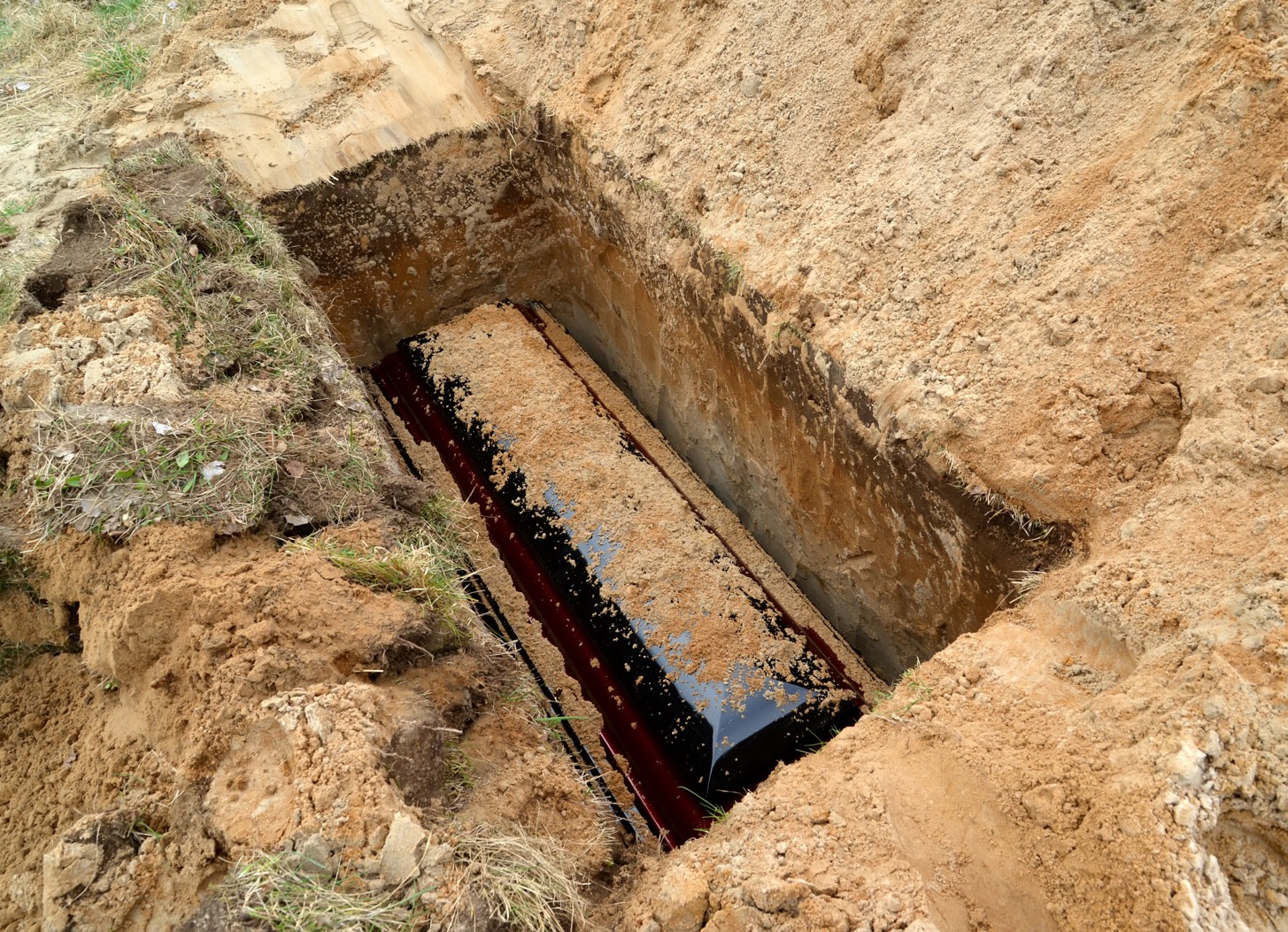
The burials consist of simple, oval-shaped graves dug into the sandy soil. Researchers suggest the varying positions of the interred bodies indicate a diversity in the customs of these early communities. Grave goods were modest, primarily comprising small, handmade pottery vessels and seashells. However, the significant number of burials points to a considerable early settlement in the region.
Alongside the graves, a residential area attributed to the Second Intermediate Period was found. Evidence includes mudbrick buildings, grain silos, ovens, and hearths, shedding light on the daily routines and food storage practices of the inhabitants. A notable architectural feature is the presence of curved, sinusoidal walls surrounding both residential and burial structures, a construction style common in Egypt from the Middle Kingdom to the New Kingdom.
Analysis of animal bones from fish and birds has provided valuable information about the diet of the population, highlighting the importance of fishing and animal husbandry. Several graves date from the 15th to 17th Dynasties and the early New Kingdom. These discoveries confirm continuous habitation in the eastern Delta during the Hyksos period, given the site's proximity to the Hyksos center of Avaris. The graves exhibit varied forms, including mastabas and burials with cornices. Among the grave goods were jewelry, amulets, scarabs, tools, bronze weapons, and ceramics.
Key Facts
- Archaeologists discovered a necropolis and settlement at Kom el-Khilgan in Egypt.
- The findings cover a period from approximately 6,000 years ago (predynastic) to the Greco-Roman era.
- Graves contained modest items like pottery and seashells; later graves included jewelry, amulets, and weapons.
- A residential area from the Second Intermediate Period featured mudbrick buildings, silos, and ovens.
- The site indicates continuous habitation during the Hyksos period due to its proximity to Avaris.
Sources reviewed
Project Chintan independently synthesized and analyzed information cross-checked across the sources listed above.
Related stories

Guy Sebastian's Ex-Agent Admits Withholding Funds, Ending Decade-Long Feud

Punjab Nears Settlement on BBMB Dues to Himachal, Centre Tells SC

Ex-manager Titus Day Admits Embezzling Payments from Singer Guy Sebastian
