
Wales of East Greenland: Thousands of Baleen Whales Feed Together
A new Frontiers in Marine Science study links mass sightings of baleen whales along East Greenland to warmer waters, retreating sea ice and capelin shifts. Observations from 1987–2025 show rising counts and broader geographic presence, signaling a borealization of the Arctic coastal ecosystem.
Key takeaways
- Baleen whales including humpbacks, fin whales, and minkes appeared in much higher numbers along East Greenland’s coast than previously recorded.
- Environmental changes since the late 1990s—warmer sea-surface temperatures and reduced summer ice—expanded feeding habitat for these species.
- Capelin moved their feeding grounds toward East Greenland, contributing to the whales' presence and feeding in the region.
What Happened
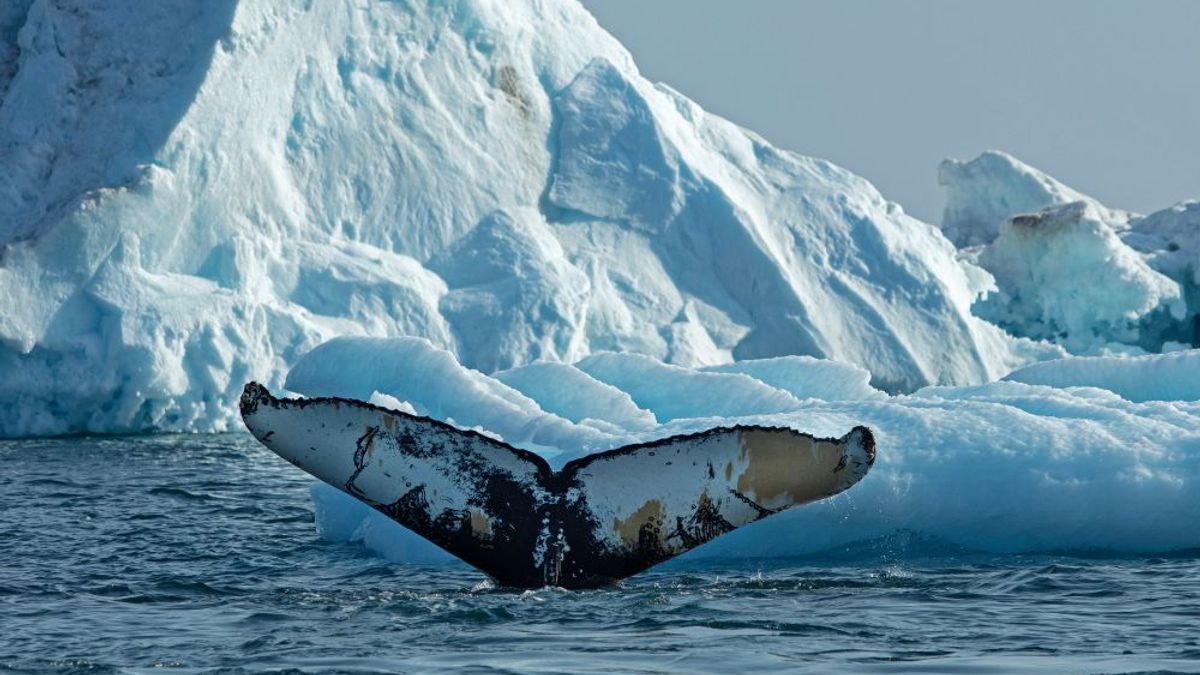
Researchers documented large gatherings of baleen whales along East Greenland’s coast, including species that were historically uncommon in the area. The study combines aerial surveys conducted in 2015 and 2024, additional flights in 2022, Inuit-hunter reports from 2023–2025, ship surveys dating back to 1987, and satellite-tracking data from 2019–2025. They found notable increases in sightings of humpbacks, fin whales, and minkes, with counts rising over time and extending along the coast from roughly 60 to 70 degrees north. In August 2025, a ship crew reported as many as 50 baleen whales near 69°N. For summer 2024, regional abundance estimates were around 4,000 humpbacks, 6,000 fin whales, and 4,500 minkes.
The researchers link these changes to environmental shifts: sea-surface temperatures in East Greenland rose by about 1.8°F (1°C) after the late 1990s, and summer sea ice declined after 2000, expanding accessible feeding habitat. Capelin—a key prey for these whales—shifted their feeding grounds toward East Greenland, bringing the three whale species into the region where they can rely on capelin and krill. During their stay, the whales are estimated to consume roughly 1.1 million tons of prey, a figure that could influence the regional food web.
Why It Matters
The change is described as borealization, with Atlantic-water–associated species becoming more prominent in an Arctic ecosystem. The shift in prey and predator distribution may affect other wildlife in East Greenland, such as narwhals, which are encountering temperate whales over a broader area. The pattern suggests climate-driven restructuring of coastal marine communities, with potential broader ecological and resource implications as feeding grounds move and species interactions change.
Background
For decades, East Greenland’s east coast did not regularly host large numbers of baleen whales. The new study integrates multiple data sources to reconstruct long-term patterns of whale presence and abundance, and to relate these patterns to changes in ocean temperature, ice cover, and prey distribution. The observed northward expansion of feeding grounds coincides with a warming trend and retreating summer ice, facilitating access to new foraging habitats and prey species in the Greenland Sea region.
Key Facts
- Summer 2024 regional abundances: ~4,000 humpbacks, ~6,000 fin whales, ~4,500 minke whales.
- In August 2025, one ship reported as many as 50 baleen whales together near 69°N.
- Survey coverage included flights in 2015, 2024, and 2022, plus Inuit-hunter observations (2023–2025) and ship surveys dating back to 1987.
- Geographic range observed for the whales extends along much of the coast between 60°N and 70°N, with indications of a farther north extension.
- Capelin shifted their summer feeding grounds toward East Greenland; fins and humpbacks are noted to feed on capelin and krill there.
- Westward climate signals include ~1.8°F (1°C) higher sea-surface temperatures since the late 1990s and reduced pack ice after 2000.
- Estimated four-month stay of whales in the region, with total prey consumption around 1.1 million tons.
What Happens Next
The study frames the observed changes as ongoing and regionally consequential, with researchers noting that the ecosystem could continue to tilt toward Atlantic-influenced species as warming and ice retreat persist. The findings highlight the need for continued monitoring of whale distributions, prey shifts, and broader ecological impacts in East Greenland as climate conditions evolve.
Sources reviewed
Project Chintan independently synthesized and analyzed information cross-checked across the sources listed above.
Related stories
Narwhal tusk reveals two opposing spirals in its structure
New Seahorse Named for Indian Ocean Scientist

Why Mumbai Floods After Just One Hour of Rain?