
Delhi's 2047 Master Plan Projects 32 Million Population, 4 Million New Homes
Delhi's Master Plan for Delhi (MPD)-2047 projects a population of 32 million by 2047, necessitating approximately four million new homes. The plan outlines infrastructure upgrades for housing, mobility, and utilities to accommodate this growth. Migration is expected to contribute significantly to th
Key takeaways
- Delhi's Master Plan for Delhi (MPD)-2047 projects a population of 32 million by 2047.
- The plan anticipates a need for approximately four million new homes to accommodate population growth.
- Significant infrastructure upgrades are planned, including water supply augmentation and enhanced waste management capabilities.
- Migration is projected to contribute 41% of the population increase in Delhi during the plan period.
- The MPD-2047 sets a framework for housing, mobility, infrastructure, environment, and economic development.
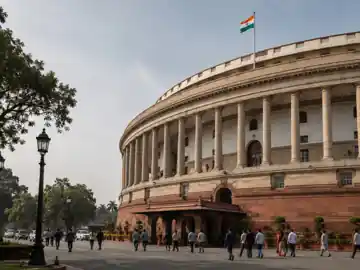
The Master Plan for Delhi (MPD)-2047, approved by the Delhi Development Authority (DDA), forecasts that the city’s population will reach 32 million by the year 2047. This projected growth signifies an increase of 10 million people from current estimates. The plan aims to provide a framework for the capital’s development in areas including housing, transportation, infrastructure, environmental management, and economic strategies.
To accommodate the rising population, the MPD-2047 anticipates a demand for nearly four million additional housing units between 2011 and 2047. This figure accounts for existing housing needs, new demand driven by population increase, the replacement of older structures, and vacant properties. The plan indicates that new housing developments will be pursued in greenfield projects and through the redevelopment of existing areas, such as unauthorized colonies and older urban zones.
Infrastructure Requirements
The significant population increase projected for 2047 will place considerable demands on Delhi’s existing infrastructure. The Master Plan highlights the need for substantial capacity augmentation across various essential services. This includes expanding water supply capabilities, enhancing sewage treatment capacity, improving drainage systems, and implementing measures to manage a projected doubling of municipal solid waste.
Specifically, the plan projects a daily drinking water requirement of around 1,600 million gallons per day (MGD) by 2047, a considerable increase from current supply and demand figures. To meet this demand, the MPD-2047 proposes augmenting water supply through medium-term interventions over the next four to five years and further long-term measures over the subsequent decade to fifteen years. These interventions may involve utilizing treated wastewater, securing additional raw water from neighboring states, and developing upstream water storage projects.
Population Growth Factors
The MPD-2047 estimates that migration will account for approximately 41% of Delhi's population increase during the plan period. This is a slight decrease from the 50% contribution attributed to migration in the previous 2021 plan period. The projections also indicate a rise in the city’s working-age population, alongside an increase in the proportion of residents aged 60 and above.
Sources reviewed
Project Chintan independently synthesized and analyzed information cross-checked across the sources listed above.
Related stories
Jewar MLA Defends Airport Against Waterlogging Criticism

Chief Minister Vijay Inaugurates ₹95 Crore Infrastructure at Ranipet SIPCOT Complex

Kerala Water Authority to Transfer Kaloor Reservoir to SUEZ
