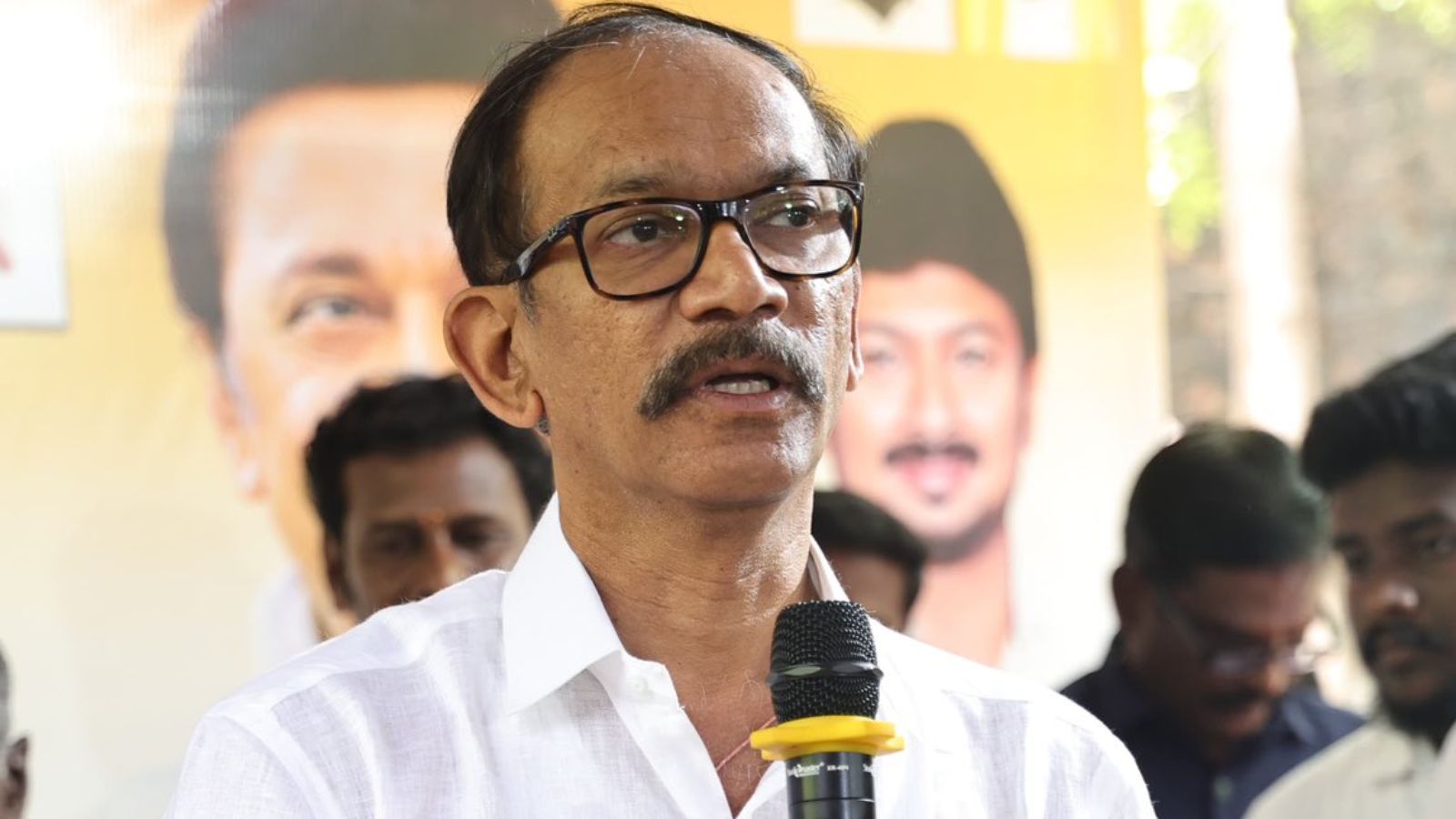
CJP aims to transform India's politics, says Ashutosh Ranka
Ashutosh Ranka of the Cockroach Janta Party says the group's goal is to reform how politics operates in India, focusing on accountability and new issues like education and governance. He also discusses the party's campaign activities, including school audits and broader reform plans.
Key takeaways
- CJP positions itself as seeking a fundamental change in how politics operates in India, emphasizing accountability.
- The party conducted school audits, reportedly reviewing 15,000 government schools and finding widespread poor conditions in rural education.
What Happened
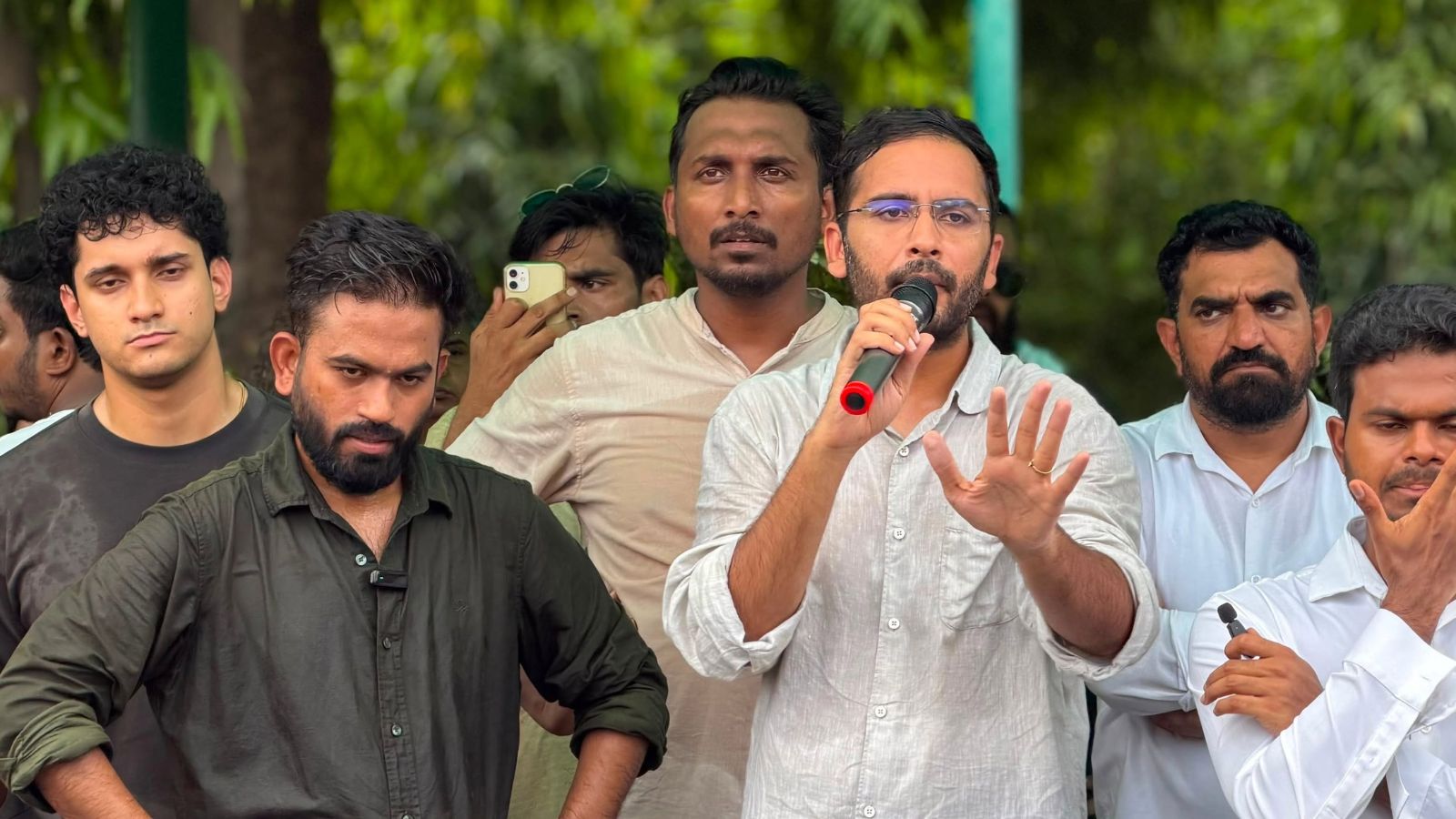
The Cockroach Janta Party (CJP) asserts that its political aims center on changing how politics is conducted in India, according to spokesperson Ashutosh Ranka in an interview with The Indian Express. He states the party has shifted political discourse in a positive direction and is pursuing transformations in areas such as education, unemployment, and institutional accountability. Ranka references the CJP movement's role in bringing attention to issues like paper leaks and Gen Z dialogues and events, which he says did not occur, or were not visible, before the movement began.
Ranka elaborates on the party's education focus, mentioning a campaign called "School Thik Karo" that involves audits of government schools. He corrects a previously stated figure from 1,500 to 15,000 schools and describes the audits as revealing a "critical situation" in the education system, particularly affecting rural populations where government schools are a main route to upward mobility. The goal of these audits, he notes, extends beyond fixing individual schools to enabling villagers to hold government officials and school authorities accountable. He indicates that education will remain a priority and that CJP plans to broaden its efforts to unemployment, judicial reforms, the integrity of the Election Commission, and mainstream media in the future.
Why It Matters
The party frames its agenda as a shift away from established political practices toward greater accountability and a focus on core public issues, including education quality in rural areas. If the audits catalyze village-level accountability, they could influence local governance dynamics and public expectations of government performance in education and related institutions.
Background
The interview follows public discussion sparked by Ladakhi activist Sonam Wangchuk, who said CJP leaders have political ambitions. Wangchuk gained prominence for his involvement in the CJP-led protest at Jantar Mantar, which highlighted education and employment concerns and featured a hunger strike. The discussion also touches on broader questions about how the movement has shaped political discourse since its emergence.
Key Facts
- The CJP argues its ambition is to change how politics is run in India.
- A campaign named "School Thik Karo" involved audits of government schools, with the figure of audited schools corrected from 1,500 to 15,000.
- Ranka described the audited schools as largely in a "pathetic condition" and highlighted that many rural residents rely on government schools for upward mobility.
- The audits are intended to empower village-level accountability toward governments, school headmasters, and local education officials.
- Beyond education, the party signals attention to unemployment, judicial reforms, Election Commission integrity, and mainstream media.
What Happens Next
Ranka indicates that education will remain a priority and that CJP plans to broaden its scope to other governance areas, though no specific timelines or policy details are provided in the interview.
Sources reviewed
Project Chintan independently synthesized and analyzed information cross-checked across the sources listed above.
Related stories
Kharge demands FIR over Haldwani purification row after Nadda assurance

MP to test fuel access ban for uninsured vehicles in pilot district
Patnaik calls for reversal of MMDR amendment, calls it black day for Odisha