
Cat urine chemistry linked to long-standing kidney mystery
ResearchersIdentify distinct fatty acids in cat urine that vary by individual but are stable over time, possibly explaining lipid droplets in cat kidneys. The study suggests these lipids may serve as a durable chemical signature in urine and could have broader conservation implications.
Key takeaways
- Researchers identified 13 branched-chain fatty acids in cat urine that vary by individual yet stay consistent within the same cat.
- The flehmen response and urine odor recognition suggest these BFAs influence how cats perceive scents.
- BFAs appear in cat kidneys, suggesting lipid droplets may store and release these compounds into urine, stabilizing the chemical signature.
What Happened
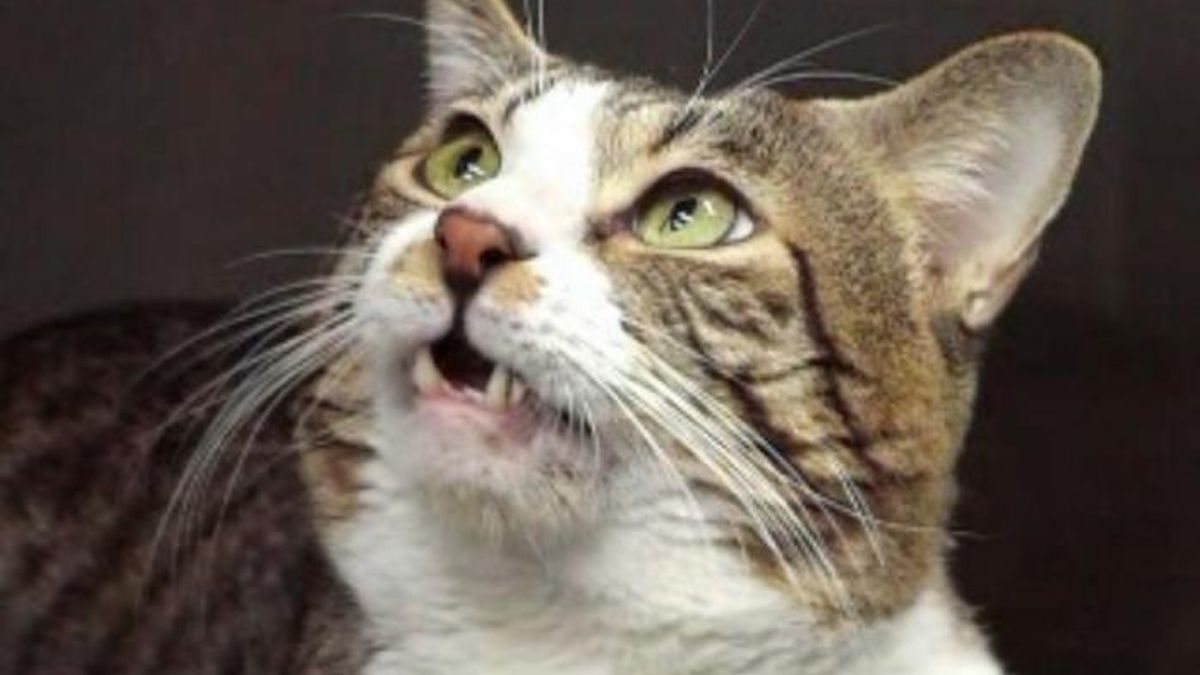
Scientists published findings in Current Biology from an international team that link distinctive fatty acids in cat urine to individual identity. The team confirmed that cats can distinguish urine from different cats and that their interest wanes after repeated exposure but returns when a new sample appears. They tracked the flehmen response, noting it occurs more with unfamiliar urine and declines with repeated exposure to a single sample. The researchers identified 13 branched-chain fatty acids (BFAs) in a lipid portion of the urine that influence this recognition. When the BFA-containing portion was altered while other urinary lipids were kept constant, cats reacted differently to the modified urine, suggesting BFAs contribute to scent identity.
Further investigation showed the same BFAs appear in the kidneys, but not in other tissues examined. Cats’ kidneys are known to contain abundant lipid droplets, a feature documented for more than a century but poorly understood. The study proposes that kidney lipid droplets may store BFA-containing lipids and gradually release them into urine, acting as a reservoir that buffers short-term changes in diet or health from rewriting a cat’s scent signature.
The researchers note that similar BFA-related compounds were found in urine from other felids, including lions, tigers, leopards, jaguars, lynxes, and Iriomote cats, indicating the system may be widespread across the cat family and may have evolved with felids.
Potential applications discussed include improved understanding of when kidney lipid storage is harmless versus disease-related, potential conservation tools for noninvasive monitoring, and future studies to map how kidney lipids reach urine and whether BFA profiles stay stable over an animal’s lifetime.
Why It Matters
The work suggests a biological mechanism linking stable urinary molecules to individual identity, which could explain why a high density of lipid droplets in cat kidneys has persisted for over a century without a clear purpose. If kidney lipid droplets function as a reservoir for signature lipids, this could influence how researchers interpret urine-based signals in cats and other felids, with possible noninvasive monitoring implications for conservation and health assessment.
Background
The discovery builds on prior observations that cats display long-term memory for urine scents and that felid kidneys contain notable lipid droplets. Researchers used behavioral assays to connect the flehmen response and scent recognition with specific urinary fatty acids, then traced these compounds to kidney tissue. The broader presence of BFAs in multiple wild and domestic cats implies a shared chemical system across the family.
Key Facts
- Study published in Current Biology by an international team.
- 13 branched-chain fatty acids identified in the urine’s lipid portion linked to individual scent differences.
- Cats showed reduced interest in repeatedly encountered urine but renewed interest with a different individual’s urine.
- Flehmen response was more frequent when smelling unfamiliar urine and declined with repeated exposure to the same sample.
- BFAs detected in kidneys, not in other tissues examined, suggesting a reservoir role in lipid droplets.
- BFAs were also found in urine from lions, tigers, leopards, jaguars, lynxes, and Iriomote cats, indicating a wider distribution across felids.
What Happens Next
Researchers propose future work to determine how kidney lipids reach urine and whether BFA profiles remain stable across an animal’s lifetime. They also suggest exploring how this system could inform noninvasive monitoring and when lipid storage might signal disease, though these are contingent on further evidence.
Sources reviewed
Project Chintan independently synthesized and analyzed information cross-checked across the sources listed above.
Related stories

India reviews safeguards for deep-tech fund amid panel-conflict questions

Karnataka ranked third in South India for local pollution share, study shows
Last common ancestor likely a tree climber, study suggests
