Chemical Mechanics for Removing Persistent Bathroom Biofilms
Biologist Dr. Shiwa Soukou outlines effective methods for eliminating mineral deposits and bacterial films in toilets using concentrated acids. The process requires specific safety protocols to prevent the formation of hazardous chlorine gas.
Key takeaways
- Stubborn brown toilet stains are actually mineral deposits of urine stone and limescale layered with bacteria.
- Highly concentrated 25% acetic acid is the most effective chemical agent for breaking down the mineral structure of these deposits.
- Mixing any acid-based cleaner with chlorine or bleach creates toxic chlorine gas and must be avoided.
- Manual scrubbing remains a necessary step following chemical treatment to fully dislodge the biofilm.

What Happened
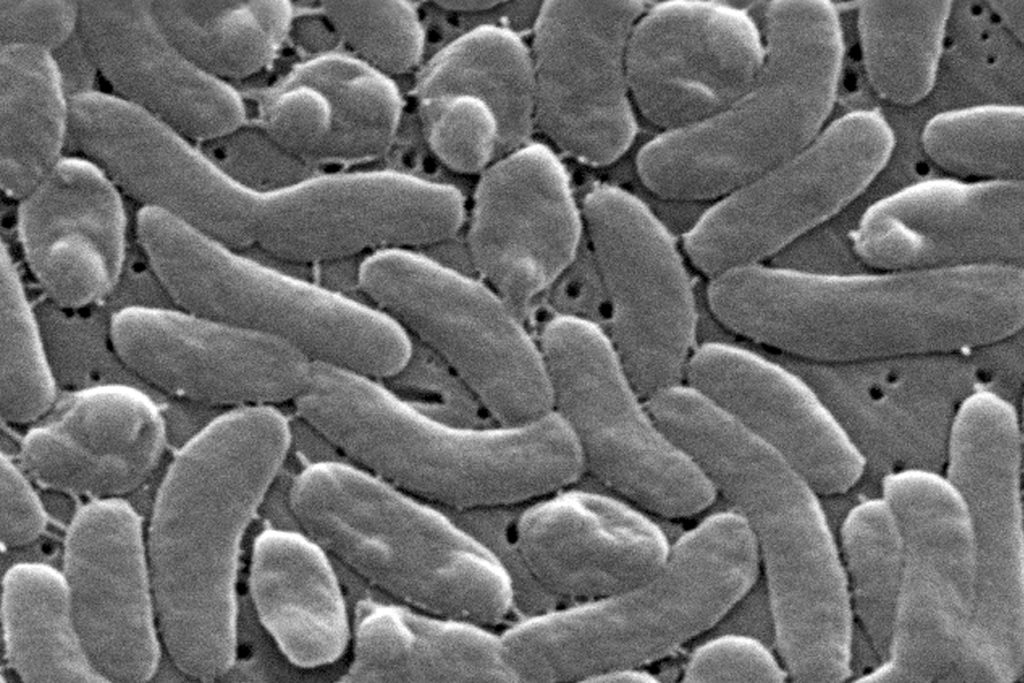
Dr. Shiwa Soukou, a biologist, has identified that stubborn dark stains in toilets are typically not common dirt but rather a combination of limescale and urine stone coated in a bacterial biofilm. Because these deposits often form in hard-to-reach areas like the odor trap and under the rim, conventional brushing often fails to remove the underlying mineral structure.
Background
To effectively dismantle these deposits, Soukou recommends using acidity combined with manual scrubbing. The primary method involves using 25% acetic acid. To maximize its efficacy, the water must first be removed from the toilet bowl to prevent dilution. The acid is then applied to the affected areas and left to sit for a minimum of 60 minutes, or overnight for severe scaling. This chemical action breaks down the mineral foundation, allowing a coarse brush or sponge to physically remove the entire biofilm system.
Why It Matters
Handling concentrated cleaning agents presents significant health risks. Mixing acid-based cleaners with chlorine-based products, such as bleach or Javel water, triggers a chemical reaction that releases highly toxic chlorine gas. The Federal Office of Public Health warns that these substances must never be combined. In cases of accidental exposure to irritating vapors, individuals are advised to seek fresh air immediately and contact Tox Info Suisse at 145 if symptoms occur.
Key Facts
- Dark toilet deposits consist of urine stone and limescale which host a slimy bacterial biofilm.
- 25% acetic acid is recommended for deep cleaning but requires gloves and adequate ventilation due to its concentration.
- Citric acid serves as a milder alternative; three tablespoons can be dissolved directly in the toilet water without draining the bowl first.
- Anecdotal methods from online communities suggest using three to four denture cleaning tabs in 60-degree Celsius water, though this lacks scientific verification.
- Mixing acids with chlorine cleaners creates lethal gas and is strictly prohibited by health authorities.
Sources reviewed
Project Chintan independently synthesized and analyzed information cross-checked across the sources listed above.
Related stories
Australian Experts Debate Expansion of National Shingles Vaccination Program

Coroner Identifies Protocol Failures in Care Home Fall Death After Scripts 'Downplayed' Injury

Vellore Healthcare Workers Conduct Awareness Rally for World Breastfeeding Week