
Vibrio Vulnificus Surge Prompts Health Alerts Across Gulf Coast States
Health authorities in Louisiana and Florida have issued warnings following a rise in deadly flesh-eating bacterial infections in coastal waters. The surge in Vibrio vulnificus cases has resulted in five deaths in Louisiana alone this year, exceeding historical averages.
Key takeaways
- Louisiana reports a significant spike in Vibrio vulnificus fatalities, with five deaths occurring so far this year.
- The bacteria enter the body through breaks in the skin or via raw shellfish consumption, primarily in warm brackish waters.
- Climate change is facilitating a northward expansion of the bacteria's habitat at a rate of 30 miles per year.
What Happened
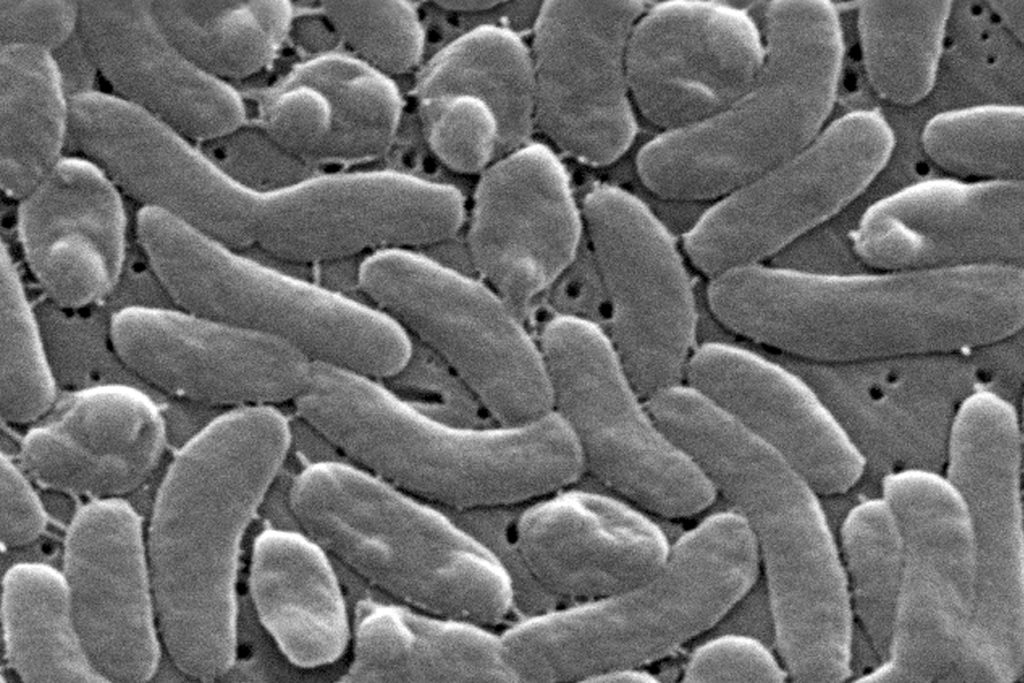
Health departments in Louisiana and Florida are cautioning the public as infections from Vibrio vulnificus, a flesh-eating bacterium, increase during the summer months. Louisiana officials confirmed nine cases this year, all requiring hospitalization, resulting in five fatalities. This represents a significant increase from the state's ten-year average of seven cases and one death for the same period. Meanwhile, Florida has recorded 14 cases and two deaths so far in 2026.
Background
Vibrio vulnificus thrives in warm, salty, or brackish waters, such as estuaries and lagoons. While infections can occur through the consumption of raw shellfish like oysters, a high percentage of illnesses result from the bacteria entering the body through open wounds, including recent piercings, tattoos, or surgical incisions. The Centers for Disease Control and Prevention notes that this specific strain is particularly lethal, with a fatality rate of approximately 20%.
Scientific research indicates the geographic range of the bacteria is expanding. A 2023 study found that the northernmost limit of infections has been moving approximately 30 miles each year, a shift researchers attribute to rising temperatures associated with climate change.
Key Facts
- Louisiana has reported five deaths from nine confirmed cases in 2026, compared to a historical average of one death per period.
- Florida has documented 14 cases and two deaths this year; the state typically sees higher case counts following tropical storms and hurricanes.
- Medical experts identify elderly individuals and those with liver disease, diabetes, or weakened immune systems as being at highest risk for severe outcomes.
- The bacteria are most active between May and October when water temperatures are higher.
What Happens Next
Health officials advise individuals to monitor any skin wounds exposed to coastal water for symptoms such as redness, swelling, discoloration, or blistering. Immediate medical consultation is recommended if these symptoms are accompanied by fever or chills. To mitigate risk, beachgoers are instructed to wash all cuts and scrapes with clean running water and soap immediately after water contact.
Sources reviewed
Project Chintan independently synthesized and analyzed information cross-checked across the sources listed above.
Related stories

Carrots Linked to 15 Percent Lower Cancer Risk in Nutrition Study

Coroner Urges NHS 111 Script Reforms Following Fatal Head Injury Misdiagnosis

NIH Director Endorses Childhood Immunizations Amid Rising Measles Cases
