
Yellowstone hot springs thump as heat drives bubble collapses
A Yellowstone phenomenon involves thumping sounds and ground movement caused by collapsing steam bubbles. Measurements show thump intervals change with heat input, linking timing to the hydrothermal system.
Key takeaways
- Thumps arise from the collapse of rising steam bubbles in some Yellowstone springs.
- Timing between thumps shifts with heat input and is influenced by wind, reflecting dynamic hydrothermal conditions.
- Longitudinal measurements (2015-2021) show pauses varied from about 13 to 30 minutes, linking activity to underlying heat
What Happened
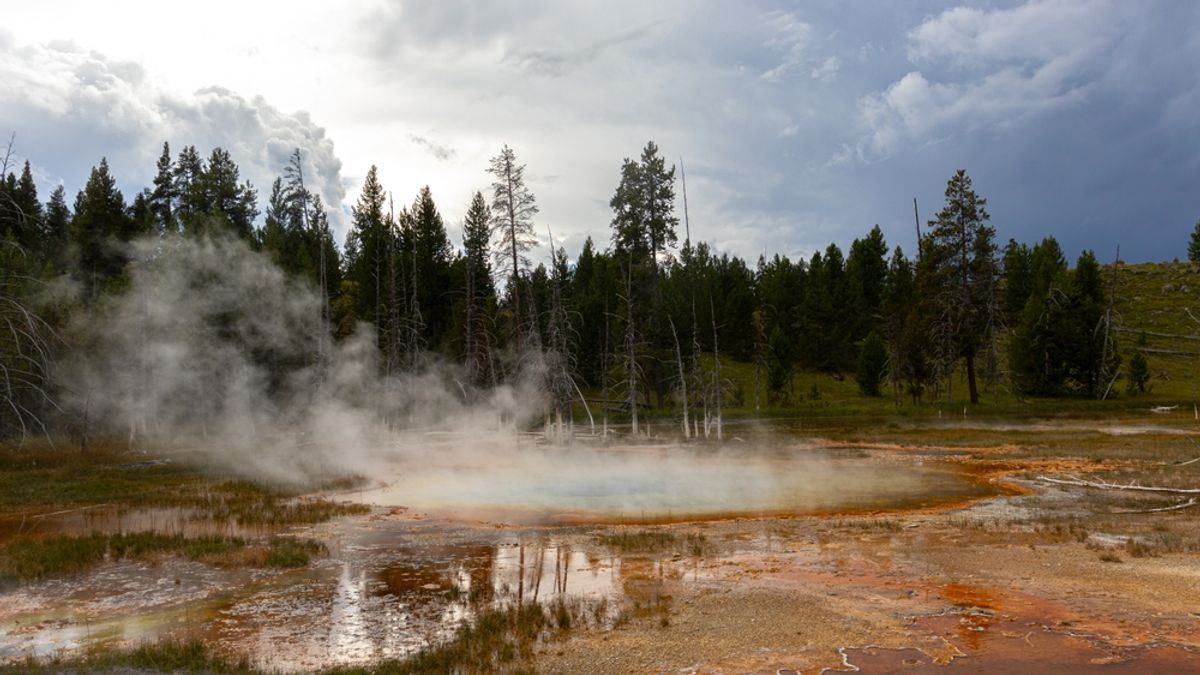
In Yellowstone National Park, certain hot springs produce audible thumps and sometimes ground movement when steam bubbles collapse beneath the surface. The thumps have been observed at Black Sand Pool and Doublet Pool in the Upper Geyser Basin, and a visual display of bubbling can be seen at Firehole Spring in the Lower Geyser Basin. The mechanism involves a steam bubble expanding as it rises, its internal pressure dropping near the surface, partial condensation of vapor back into liquid due to cooler water, and a sudden collapse that sends a pressure pulse through the spring. The result can be a detectable knock and, in some cases, a visible surface response or water movement.
Research indicates that only a subset of Yellowstone’s hot springs exhibit this thumping behavior. The necessary combination of specific temperature and pressure within the hydrothermal system must develop, and the bubbles must reach a size capable of producing a detectable pulse.
Why It Matters
Scientists view the thumping as a diagnostic clue about heat transfer within Yellowstone’s hydrothermal plumbing. By listening to thumps and monitoring pauses between events, researchers can infer changes in heat input and retention beneath the surface. Shorter intervals between thumps may signal heightened heat, while longer pauses could indicate cooling phases. These observations can help scientists track broader shifts in the area’s geothermal system and identify related activity at nearby springs and geysers.
Background
The explanation of the thumping behavior is based on field work that included deploying seismic instruments around Doublet Pool during multiple field campaigns from 2015 to 2021. After initial measurements, researchers inserted temperature and water-level sensors into the pool. The related study describing these findings was published in Geophysical Research Letters. The Yellowstone Volcano Observatory, a USGS program, is involved in monitoring the region and disseminating details about these hydrothermal phenomena. The phenomenon has been linked to changes in the timing of thumps over hours, days, and years, and wind can influence the timing by carrying heat away from the surface.
Photographer Michael Poland documented Black Sand Pool, noting blue water, rising steam, and nearby dry grass, while the accompanying scientific account discusses Doublet Pool’s rhythmic changes and heat-related dynamics. The broader context notes that the timing changes correspond to how heat enters and leaves the spring system, and that Doublet Pool’s pauses shortened around the time Ear Spring erupted in September 2018, suggesting a possible connection to increased heat beneath Geyser Hill.
Key Facts
- Thumps result from steam bubble collapse generating a pressure pulse in the spring.
- Black Sand Pool and Doublet Pool are among the springs where thumping is observed; Firehole Spring offers a visible demonstration of bubble activity.
- Pauses between thumps changed over time: about 30 minutes in Nov 2016, about 13 minutes in Sept 2018, and about 20 minutes in Nov 2021.
- Wind can affect thump timing by moving surface heat away from the spring.
- Ear Spring eruption in Sept 2018 coincided with a shortened pause at nearby Doublet Pool, followed by boiling.
- Researchers deployed seismic instruments around Doublet Pool during seven field deployments from 2015 to 2021, then added temperature and water-level sensors.
- Findings appear in a Geophysical Research Letters study cited in the source material.
- The Yellowstone Volcano Observatory and USGS scientists contribute to ongoing monitoring and interpretation.
What Happens Next
Researchers plan to continue monitoring thumping springs to assess how heat movement evolves in Yellowstone’s hydrothermal system and to determine whether thump timing can signal broader geothermal changes in the area.
Sources reviewed
Project Chintan independently synthesized and analyzed information cross-checked across the sources listed above.
Related stories

SIU microbes convert plastic waste into protein-rich cookies

Environmental lead exposure linked to greater neuronal damage, ICMR-NIN

Assam near final stage in selecting partner to create satellite, CM says
