
UP flood relief: 25 districts hit as operations intensify
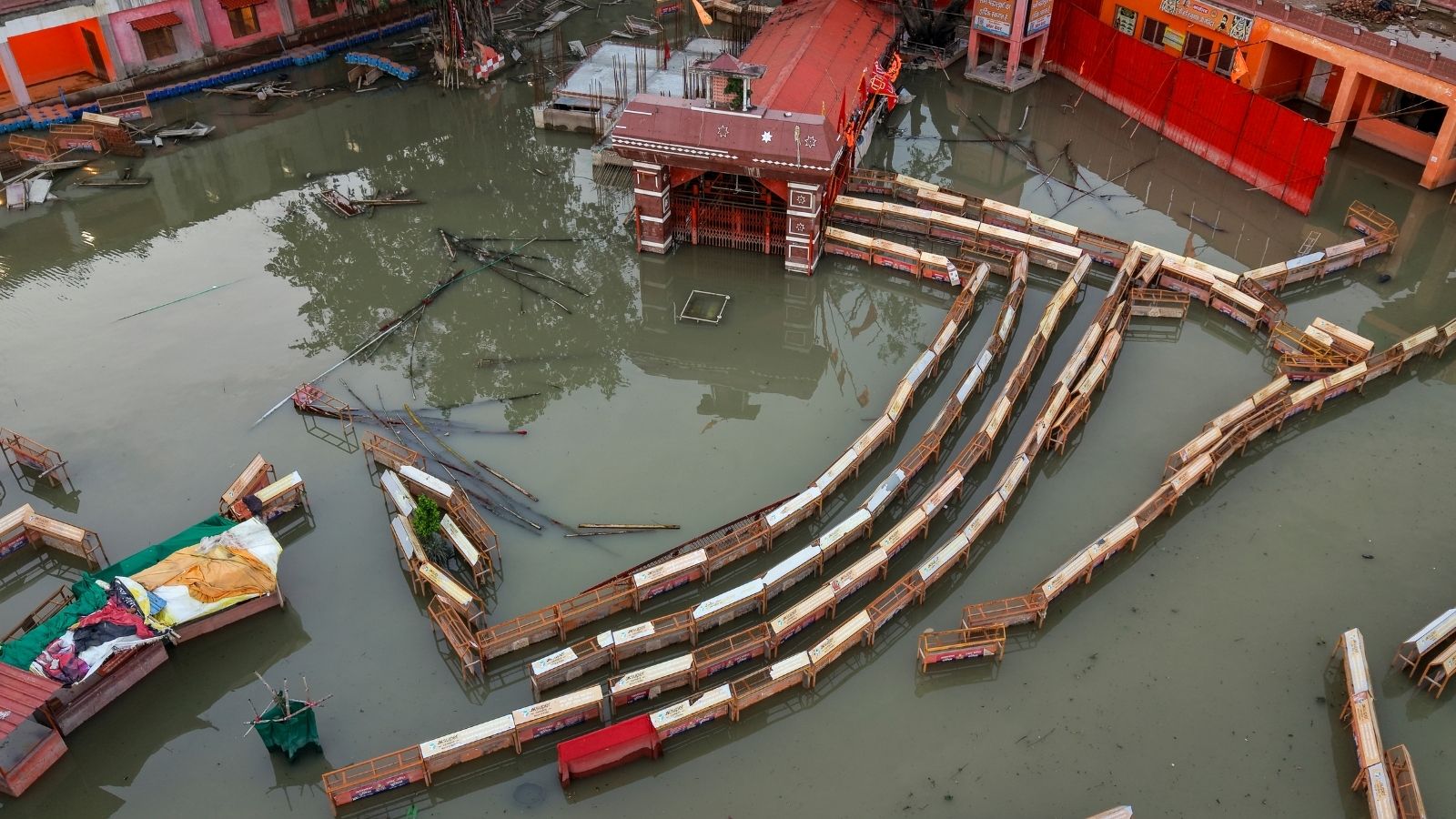
Mutual relief efforts in Uttar Pradesh expand as floods affect 25 districts. Evacuations exceed 19,000, with 8,264 evacuees on Sunday; no casualties reported. Chief Minister visits Chitrakoot, distributing aid and outlining housing options for affected families.
Key takeaways
- Flooding affects 25 districts in Uttar Pradesh with 37 districts affected overall.
- Evacuations exceed 19,000 with 8,264 on the latest Sunday; no casualties reported.
- Relief includes 800 families receiving material, cheques to three families, and land allotment certificates to two beneficiaries; housing under PMAY or state schemes outlined.
- A rapid scale-up of rescue assets occurred, with eight additional teams deployed within hours.
- Relief kits and dignity kits are being distributed, and thousands of boats and flood shelters have been mobilized.
What Happened
In Uttar Pradesh, flood-like conditions persisted across 25 districts, with a total of 37 districts reported as affected by the state’s Relief Commissioner’s Office. Government data showed 19,454 people have been evacuated so far, including 8,264 evacuees on the most recent Sunday. The administration reported no human or cattle casualties at that time. Chief Minister Yogi Adityanath conducted a visit to Chitrakoot to review relief work and pledged government assistance to affected families within 24 hours. During an aerial survey and inspection of Ramghat, the CM distributed relief material to 800 families and handed over cheques of Rs 1.20 lakh to three families whose houses were completely destroyed. Land allotment certificates were given to two beneficiaries. He announced housing options under the Pradhan Mantri Awas Yojana for those whose homes were fully destroyed, with Mukhyamantri Awas Yojana as an alternative for others, subject to eligibility. The CM also directed a survey of crop losses and stated that funds would not constrain repairs to infrastructure such as roads, ghats, and electricity lines. He described the flooding as unprecedented and noted nearly double the rainfall of the previous year, which stood at 360 mm. The deluge reportedly washed away a permanent bridge important for heavy-vehicle access toward Madhya Pradesh. Adityanath highlighted a rapid scale-up of rescue assets, with eight more units of SDRF, NDRF, and PAC joining an initial SDRF deployment within two to three hours of the crisis onset. He criticized the prior Samajwadi Party government for earlier handling of floods, contrasting alleged dry-bread relief with today’s aid distribution. Relief material described included 50 kg kits with 26 items and dignity kits containing basic supplies.
Why It Matters
The rapid escalation of relief measures, housing provisions, and infrastructure repair plans indicates a coordinated government response to a major flood event affecting multiple districts. The shift from earlier relief approaches to more substantial kits and housing guarantees signals an attempt to address widespread displacement and household destruction, while the swift augmentation of rescue units reflects an emphasis on active on-ground operations. The flooding’s comparison to last year’s rainfall and the destruction of critical transport infrastructure underscore potential long-term challenges for affected communities and regional mobility.
Background
In the context of ongoing flood management, Uttar Pradesh authorities have repeatedly framed the situation in terms of scale and cross-district impact. The CM’s remarks referenced past flood responses and governance changes, including a critical view of prior administration’s relief efforts during floods before 2017, when officials say aid was limited to dry provisions. The present response includes large-scale relief distribution, housing schemes tied to central and state programs, and a prompt emphasis on infrastructure rehabilitation as part of the recovery process.
Key Facts
- Flood-like conditions persisted in 25 districts; 37 districts were reported affected overall.
- Evacuations: 19,454 people evacuated so far; 8,264 evacuated on the latest Sunday.
- No human or cattle casualties were reported.
- Chief Minister visited Chitrakoot, reviewed relief work, and pledged assistance within 24 hours.
- 800 families received relief material during the CM’s visit; cheques of Rs 1.20 lakh were given to three families; land allotment certificates to two beneficiaries.
- Housing options announced: new houses under Pradhan Mantri Awas Yojana for fully destroyed homes, otherwise Mukhyamantri Awas Yojana with land allotment, subject to eligibility.
- Crop-loss survey directed; funds for repairs to roads, ghats, electricity poles assured.
- Rainfall allegedly nearly doubled from last year’s 360 mm; a permanent bridge critical for travel toward Madhya Pradesh was washed away.
- Rescue assets expanded quickly: eight additional SDRF, NDRF, and PAC units joined within hours of the escalation.
- Relief kits distributed: 50 kg per family, 26 items; dignity kits provided with practical supplies.
- 2,075 boats and motorboats deployed for active rescue and relief; 1,315 flood shelters established for 6,698 displaced residents.
What Happens Next
The government indicated ongoing relief and rehabilitation work, with housing and land allotments under-state and central schemes being pursued for those affected. A survey of crop losses and continuing infrastructure repairs are expected to shape next steps in recovery efforts and logistics for affected districts.
Sources reviewed
Project Chintan independently synthesized and analyzed information cross-checked across the sources listed above.
Related stories
Gandak Barrage Opens Gates to Regulate Nepal Flood Surge in Bihar

Unclaimed bodies strain Thrissur MCH mortuary amid cremation backlog

Heavy rains disrupt flights and traffic across north India