
UK Wildfires Escalate Amid Heatwaves and Climate Change
Prolonged hot and dry weather has intensified wildfire risks across the UK, leading to significant landscape damage and straining firefighting resources. Climate change is identified as a key factor exacerbating these events, prompting calls for urgent action on emissions and improved emergency plan
Key takeaways
- The UK is experiencing a significant increase in wildfires due to prolonged hot and dry weather.
- Climate change is identified as a major factor exacerbating wildfire risks across the UK and Europe.
- Wildfires have caused extensive damage to natural habitats and wildlife, with some sites needing decades to recover.
- Human activity is the primary cause of most wildfires in the UK, ranging from carelessness to deliberate acts.
- There are calls for increased investment in emergency planning and urgent action to reduce greenhouse gas emissions.
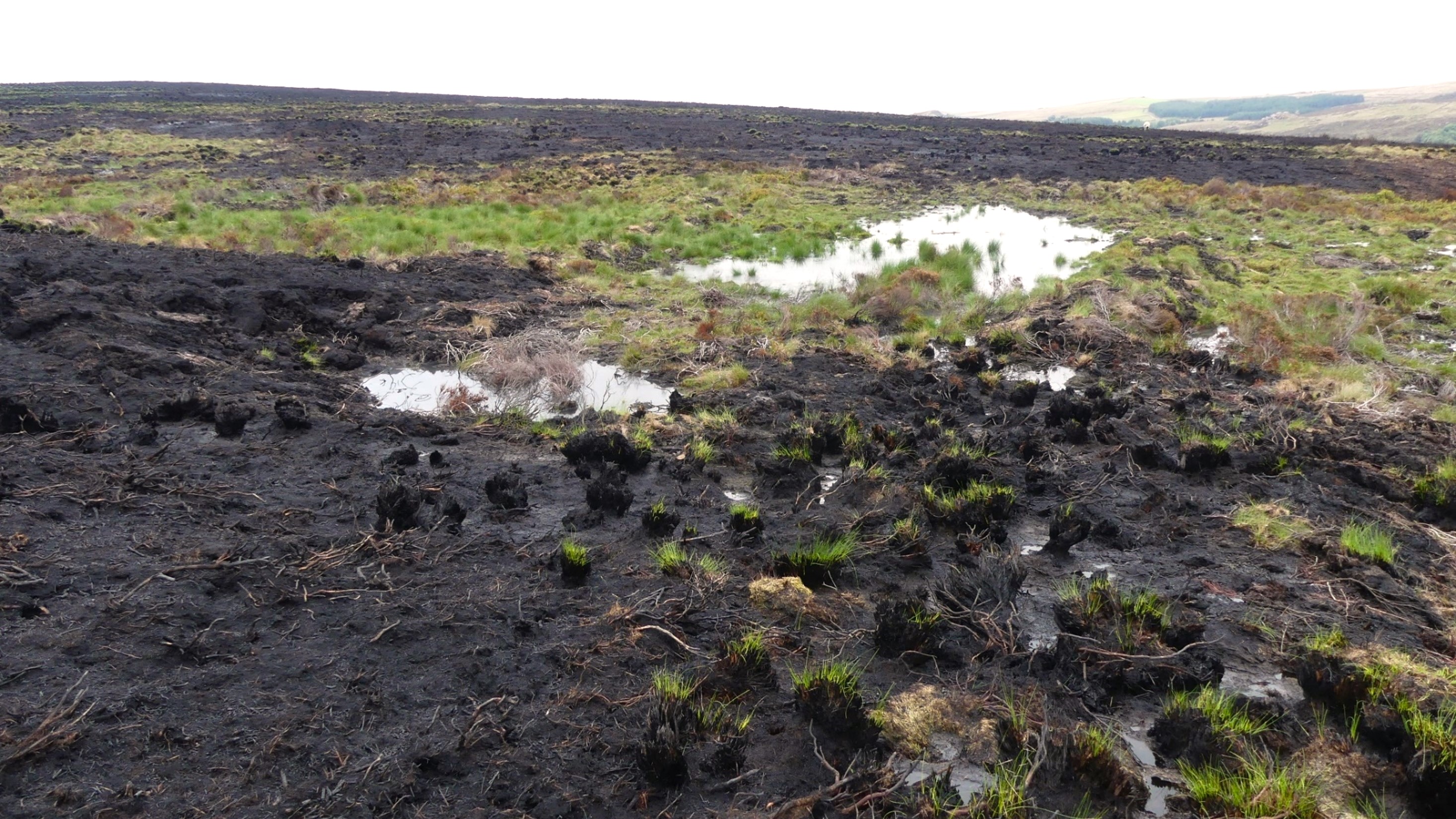
The United Kingdom is experiencing an escalating wildfire crisis, fueled by extended periods of hot and dry weather. These conditions have led to numerous uncontrolled blazes across diverse terrains, including moors, farmland, and urban parks.
What Happened
This year has seen large-scale wildfires devastate UK landscapes. Data indicates over 240 wildfires have occurred on Sites of Special Scientific Interest (SSSIs) alone. Notable incidents include a 1,500-hectare fire in the Peak District, which damaged moorland habitats and affected bird populations, and a blaze at Dunwich Heath in Suffolk that consumed approximately 150 hectares, with an estimated recovery period of 25 years. Firefighters responded to 185 wildfires in the first ten days of August, and a fire in the New Forest was reported under control after several days.
Why It Matters
The increasing frequency and severity of wildfires are linked to climate change, which is causing more extreme weather events and prolonged dry spells. These fires not only damage valuable natural habitats and wildlife but also have wider consequences for water supplies. The fires have necessitated significant firefighting efforts, with over 100 firefighters deployed to control the Dunwich Heath incident. Conservationists and locals are assessing the extensive damage and the long-term impact on recovery.
Background
Virtually all wildfires in the UK are human-caused, stemming from carelessness, deliberate acts like arson, equipment faults, or escaped 'managed fires'. Climate change is identified as a significant factor, with Europe warming at nearly twice the global average. This warming trend, combined with dry conditions, rapidly removes moisture from vegetation and soils, increasing fire susceptibility. In mainland Europe, France has described its wildfire situation as its worst crisis since World War II. The UK's Environment Agency announced that over half of England was in drought as of July 29.
Key Facts
- Over 240 wildfires have been reported on UK Sites of Special Scientific Interest this year.
- A fire in the Peak District covered 1,500 hectares, damaging moorland and impacting bird populations.
- A fire at Dunwich Heath in Suffolk affected around 150 hectares, with recovery expected to take 25 years.
- Over 100 firefighters were needed to control the Dunwich Heath fire.
- Firefighters responded to 185 wildfires in the first 10 days of August.
- More than half of England was in drought as of July 29.
- Europe is warming almost twice as fast as the global average.
What Happens Next
Experts and officials are emphasizing the urgent need to address emissions and invest in emergency planning to mitigate future risks. Discussions are ongoing regarding the best preventative measures for fires, with calls for increased resources for the fire and rescue service, including additional firefighters and new equipment. The government is being urged to provide updates on fire and rescue service improvements and enforcement powers.
Sources reviewed
Primary source: GOV.UK blogs
Additional reporting reviewed
Project Chintan independently synthesized and analyzed information cross-checked across the sources listed above.
Related stories
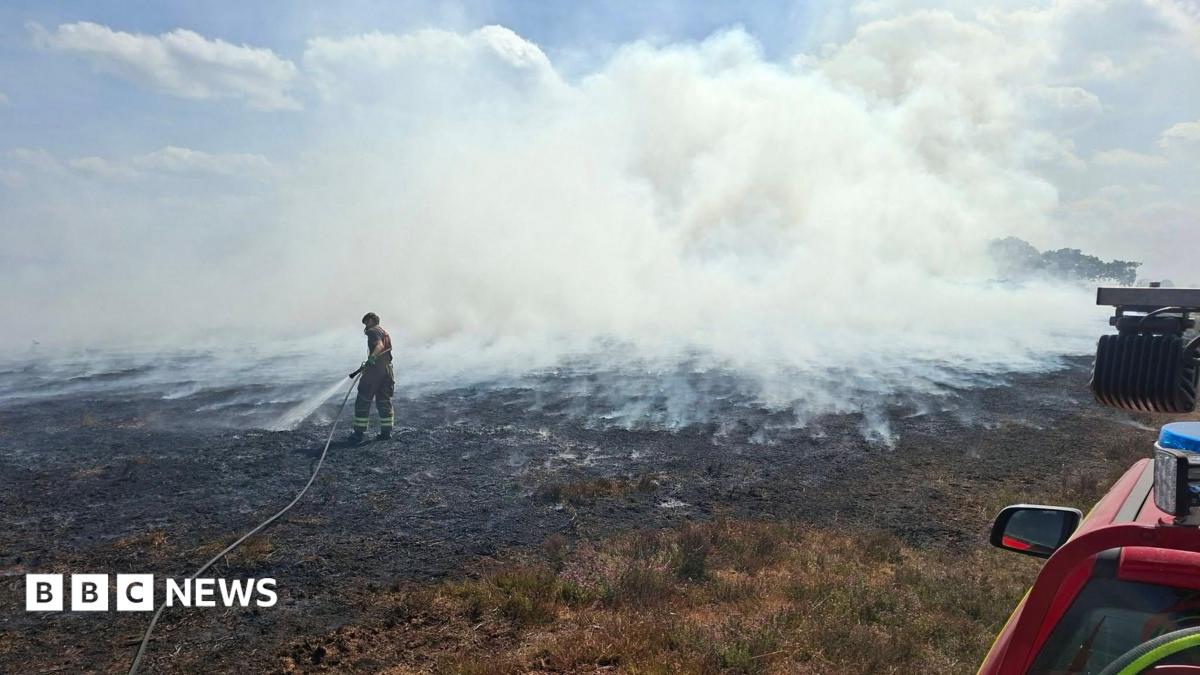
New Forest Wildfire Continues for Fourth Day Amid High Temperatures

El Niño Expected to Strengthen, Limited Impact Foreseen for Bavaria
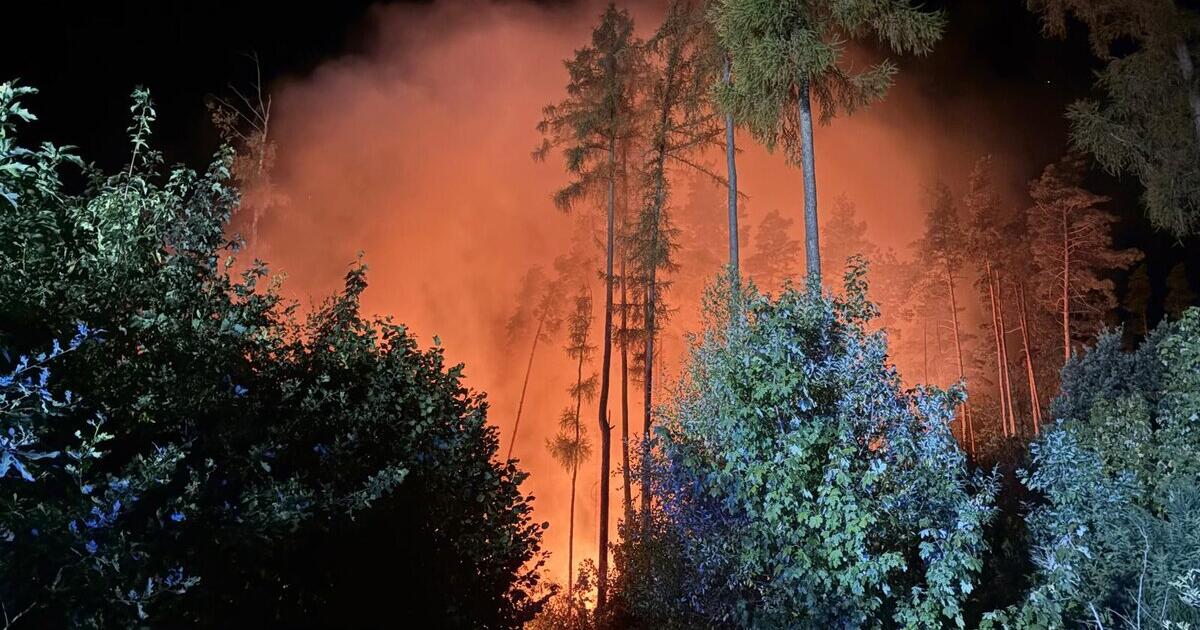
Historic Wildfire Rages in Saxony; Ground Crews Battle Flames on Foot
