
TTD tests AI-powered robotic dog for wildlife monitoring in Tirumala
The Tirupati Tirupati Devasthanam (TTD) evaluated a quadruped robotic dog equipped with AI, optical and thermal imaging, and LiDAR for real-time wildlife surveillance and devotee safety around Tirumala. Officials said the robot is intended to complement existing camera traps and patrols, with feasib
Key takeaways
- TTD reviewed a quadruped robotic dog to enhance wildlife monitoring and devotee safety in Tirumala forests.
- The robot includes optical/thermal imaging, LiDAR, multiple sensors and AI to classify entities and send geo-tagged alerts with live feeds.
- Priority surveillance zones include the Alipiri-Tirumala footpath and adjacent forest areas, with exploration of deterrence via sound and light.
- The robot is planned as a supplement to existing camera traps and patrols, not a replacement, with data aiding patrol scheduling.
- Further feasibility work and potential deployment were discussed, pending alignment with current surveillance practices.
What Happened
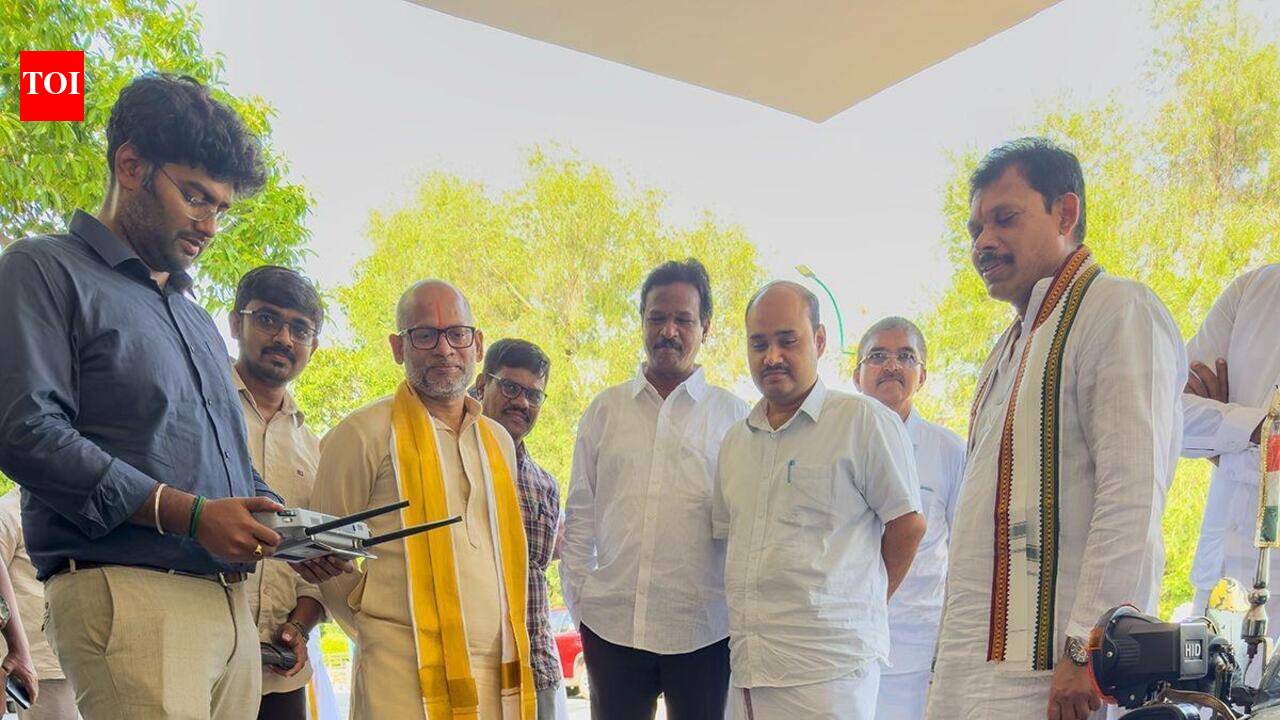
TTD authorities reviewed a quadruped robotic dog at the Sri Padmavathi Guest House in Tirumala on a Thursday, evaluating its use for real-time wildlife surveillance and devotee safety in forest areas around Tirumala. The robot is equipped with optical and thermal imaging cameras, 360-degree LiDAR, multiple sensors and artificial intelligence. The system can classify large animals, humans, vehicles and domestic animals, and it can send geo-tagged alerts and stream live video and thermal feeds to a control room and patrolling staff for rapid response. Officials identified priority zones along the Alipiri-Tirumala footpath and adjoining forest stretches for early wildlife detection and timely deployment of forest, vigilance and security teams.
Officials also examined whether the robot’s sound and light units could deter animals from entering pilgrims’ areas without direct human intervention, aiming to reduce direct human-wildlife encounters. The robotic system is envisioned as a complement to, rather than a replacement for, existing camera traps, foot patrols and forest surveillance, providing a mobile asset that can be rapidly deployed to locations with increased wildlife activity. Data gathered by the robot—video, thermal imagery and movement patterns—could help analysts study wildlife behavior and refine patrol schedules and surveillance deployment in critical zones.
Why It Matters
The evaluation aims to strengthen real-time monitoring of wildlife movements and boost safety for devotees walking through forested areas around Tirumala. By enabling rapid, geo-tagged alerts and streaming feeds to control rooms, the robot could speed up responses to wildlife activity and potentially reduce near-term risks for pilgrims in high-activity zones.
Background
The effort is led by the Tirupati Tirupati Devasthanam (TTD), with officials reviewing technology in a backdrop of forested paths that connect pilgrims to the Tirumala shrine. The approach treats the robot as a supplementary asset to existing monitoring tools, intended to operate in environments that are difficult or hazardous for human access.
Key Facts
- TTD conducted the review at the Sri Padmavathi Guest House in Tirumala on a Thursday (date reported as August 20, 2026).
- The robotic dog features optical and thermal imaging cameras, 360-degree LiDAR, multiple sensors and artificial intelligence.
- The AI system can classify large animals, humans, vehicles and domestic animals and sends geo-tagged alerts with live video and thermal feeds to control rooms and patrolling staff.
- Priority zones include the Alipiri-Tirumala footpath and adjoining forest areas to enable early detection and rapid response.
- There is exploration of using sound and light to deter animals from pilgrim areas without physical intervention.
- The robot is intended to complement existing camera traps, foot patrols and forest surveillance, not replace them.
- Data collected may help analyze wildlife behavior and inform patrol schedules and deployment in critical zones.
What Happens Next
Officials indicated feasibility of deploying the robotic system as a mobile monitoring asset to locations with heightened wildlife activity and to support surveillance deployments, pending further assessment and integration with existing systems.
Sources reviewed
Project Chintan independently synthesized and analyzed information cross-checked across the sources listed above.
Related stories

Kozhikode building safety: SHRC orders urgent repairs after cracks found

Seven vessels, aircraft in search for eight missing fishermen in Andhra Pradesh

Spurious liquor deaths in Bhavnagar rise to seven, 30 hospitalised
