Executive Actions Aim to Narrow Scope of U.S. Birthright Citizenship
The Trump administration has issued two new executive orders targeting birthright citizenship for specific groups, including children of international organization employees and those linked to 'birth tourism.' These measures face potential legal challenges regarding their alignment with the 14th Am
Key takeaways
- Two new executive orders seek to limit birthright citizenship following a previous Supreme Court rejection.
- The orders target 'birth tourism' and children of employees at international organizations like the United Nations.
- Exclusions now extend to children of parents allegedly tied to designated terrorist groups.
- Legal experts anticipate challenges regarding the 14th Amendment and the lack of clear enforcement guidelines for immigration officers.
What Happened
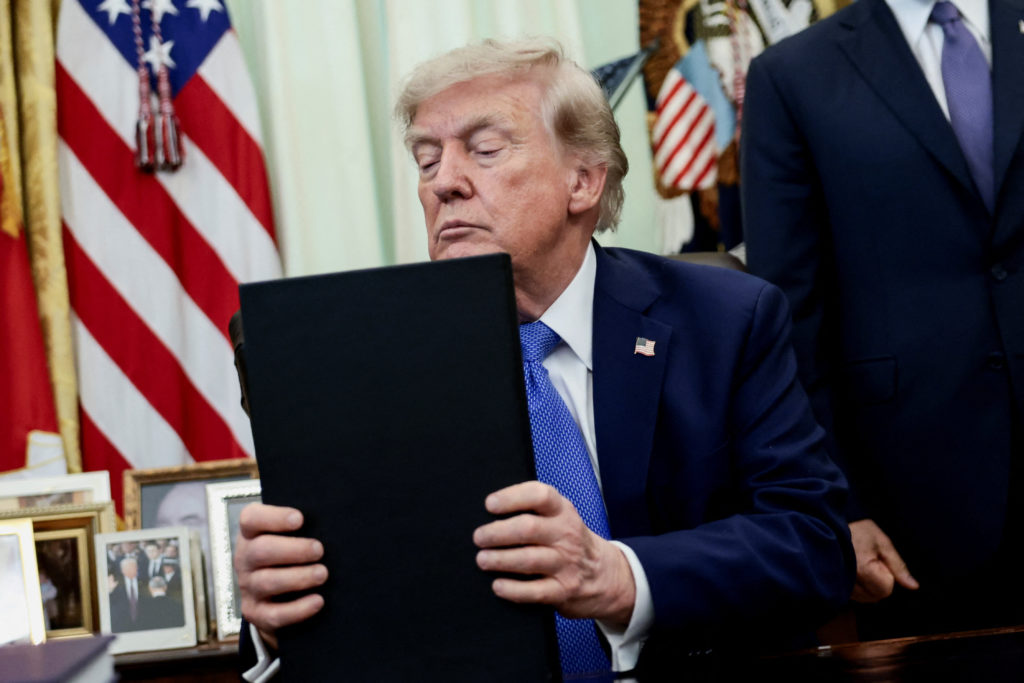
The Trump administration released two executive orders this week designed to restrict the granting of automatic U.S. citizenship to children born on American soil to specific categories of foreign nationals. These orders follow a June Supreme Court decision that invalidated a prior attempt to limit birthright citizenship. President Trump stated that the new directives include adjustments intended to address the court's previous rulings.
The first order targets "birth tourism," defined by the administration as the practice of entering the United States on a nonimmigrant visa specifically to give birth. While using a visa for this purpose is already considered fraud, the new order expands the authority of immigration officials to deny entry to pregnant women if they are suspected of intending to obtain citizenship for their children.
The second order expands the list of individuals whose children are excluded from automatic citizenship. This list now includes employees of foreign embassies, representatives of foreign governments, and staff of international organizations such as the United Nations. Furthermore, the administration seeks to deny citizenship to children born to parents associated with groups designated as terrorist organizations.
Background
Under the 14th Amendment and existing U.S. immigration law, citizenship is generally guaranteed to anyone born on U.S. soil. Current exceptions are limited, primarily excluding children of accredited foreign diplomatic officers, such as ambassadors and ministers. The new executive orders represent a significant expansion of these exclusions, reaching beyond high-level diplomats to include all embassy staff and employees of international bodies.
Why It Matters
Legal experts suggest these orders will likely face immediate litigation. The 14th Amendment and subsequent Supreme Court interpretations do not explicitly address newer categories mentioned in the orders, such as citizenship through surrogacy or the membership status of parents in specific organizations. Critics argue that the federal government lacks clear mechanisms to verify membership in non-state organizations that do not maintain public records, which may lead to inconsistent enforcement by immigration officers.
What Happens Next
The implementation of these orders is expected to trigger a new round of legal scrutiny to determine if the executive branch has the authority to narrow the scope of the 14th Amendment without acts of Congress or further judicial clarification. Additionally, the focus on surrogacy may introduce novel legal questions, as existing precedents provide no specific guidance on how surrogate births affect the application of birthright citizenship laws.
Sources reviewed
Project Chintan independently synthesized and analyzed information cross-checked across the sources listed above.
Related stories
Senate Advances Blanche Nomination and Expands Russian Sanctions Framework
ICE to Retain Broad Discretion Over Body Camera Footage Release Under New Policy