
Senate Confirms Todd Blanche as Attorney General After Contentious Overnight Session
The Republican-controlled Senate narrowly approved Todd Blanche as the nation's top law enforcement official following a 50-49 vote. Blanche, a former defense attorney for the President, secured the position after agreeing to retract a controversial settlement involving IRS audit immunity.
Key takeaways
- Todd Blanche was confirmed as Attorney General with a narrow 50-49 Senate vote after serving in an acting capacity since April.
- Blanche secured the role only after formally rescinding a $1.8 billion fund intended to compensate President Trump's allies.
- Two Republicans joined all Senate Democrats in opposing the nomination, citing concerns over Justice Department independence.
- The new Attorney General previously defended Donald Trump in federal cases and during the New York hush money trial.
The Path to Confirmation
In a pre-dawn vote on Saturday, the United States Senate confirmed Todd Blanche as Attorney General, marking a victory for President Donald Trump’s effort to install a trusted ally at the helm of the Justice Department. The final tally of 50-49 highlights the deep divisions within the chamber; every Democrat opposed the nomination, joined by Republican Senators Susan Collins and Lisa Murkowski. Blanche, who had already been directing the agency in an acting capacity, is now formally empowered to execute an administration agenda that critics fear will prioritize political loyalty over institutional independence.
Concerns Over Judicial Independence
The confirmation process was defined by a protracted struggle over Blanche’s close ties to the President. Opponents, including Senator Dick Durbin, characterized the appointment as a risk to the department's historic impartiality. During his tenure as acting head, Blanche moved to accelerate investigations into the President's perceived political adversaries, a shift from the traditional separation between the White House and federal law enforcement. Senator Murkowski justified her opposition by stating the nation requires a leader capable of restraining the administration's more extreme inclinations.
Strategic Concessions Secure the Vote
Blanche’s nomination was nearly derailed by a controversial settlement involving a lawsuit the President filed against the IRS. The original deal included a $1.8 billion fund to compensate Trump’s allies and a provision shielding the President’s family from tax audits. To secure support from holdout Republicans John Cornyn and Thom Tillis, Blanche formally rescinded the compensation fund and audit immunity in writing. This pivot convinced Senator Bill Cassidy to provide the decisive vote, arguing that Blanche’s experience as a defense lawyer might actually help him navigate and moderate the President's legal demands.
Key Facts
- Todd Blanche previously served as a federal prosecutor in New York before joining Donald Trump’s personal legal defense team.
- The Senate vote concluded at 50-49, the narrowest margin for an Attorney General confirmation in recent history.
- Blanche served as Deputy Attorney General under Pam Bondi before assuming the acting lead role in April.
- Under the current administration's leadership, the Justice Department has seen the departure of thousands of staff members through resignations and firings.
- Supporters point to Blanche's focus on violent crime, illegal immigration, and drug trafficking as evidence of his qualifications.
What Happens Next
With his position solidified, Blanche is expected to intensify the administration's efforts to reshape the Justice Department's internal structure. Having already overseen the release of investigative files related to Jeffrey Epstein, Blanche will likely continue prioritizing high-profile cases that align with executive branch objectives. Observers will be watching closely to see if he adheres to his written promises to lawmakers regarding the IRS settlement or if the department returns to a more aggressive posture against the President's critics.
Source: AP News
Related stories
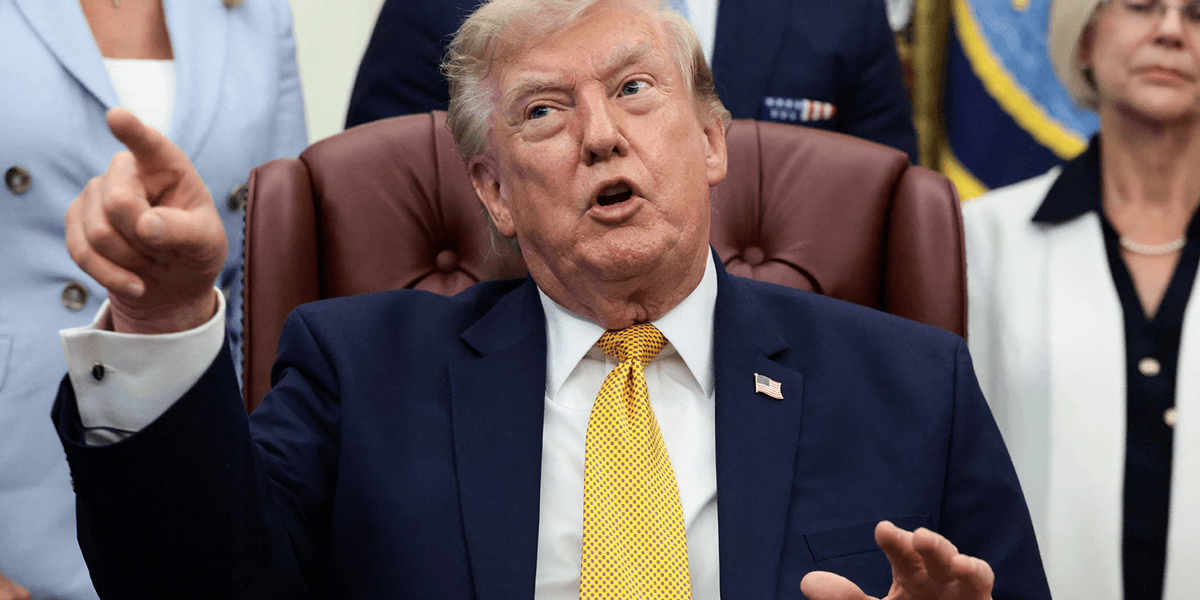
DOJ Directives Systematically Dismantle Decades of Foreign Influence Oversight

Graham Backs Todd Blanche in Narrow Senate Confirmation for Attorney General
Trump Issues Executive Orders Targeting Birthright Citizenship Following Court Defeat
